
Case Study: Why Customers Choose Stainless Steel for CNC Machining Projects

Beska – Rekabetçi Fiyatla En İyi Kalite.
Sac metal imalatı ve CNC işleme konusunda uzmanlığımızla buradayız.
giriiş
In medical device manufacturing, even minor compromises in material quality or machining precision can compromise patient safety and regulatory compliance. This case study explores how a surgical tool manufacturer overcame critical challenges in producing reusable laparoscopic instruments and how a strategic shift to CNC machining with stainless steel. By examining their journey, we highlight the critical link between material and surface finishing in high-stakes industries.
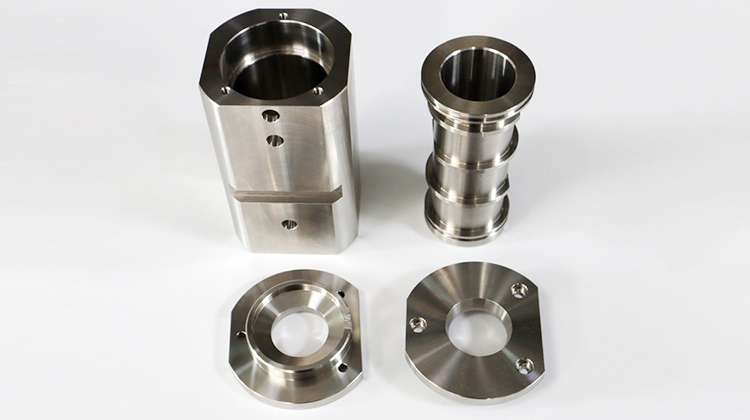
Müşteri: A fast-growing medtech startup specializing in minimally invasive surgical tools.
The Challenge: After launching their first-generation laparoscopic graspers, the client faced two major hurdles:
- Corrosion Failures: Tools rusted within months due to repeated sterilization with chlorine-based agents.
- Bacterial Contamination Risks: Microscopic surface imperfections on aluminum prototypes trapped pathogens, violating FDA hygiene standards.
- Material Fatigue: Thin jaw components bent during autoclaving cycles, reducing tool lifespan.
How Did We Solve The Proble?
To address these interconnected challenges, our team focused on three key pillars:
Material Transition: Moving from aluminum to stainless steel to leverage its inherent corrosion resistance and strength.
Grade Selection: Choosing 316 stainless steel over cheaper alternatives like 304 or 303 to withstand aggressive sterilization chemicals.
Surface Enhancement: Implementing electropolishing to eliminate microscopic defects that could harbor bacteria.
This comprehensive approach not only resolved immediate failures but also future-proofed the design against regulatory scrutiny.
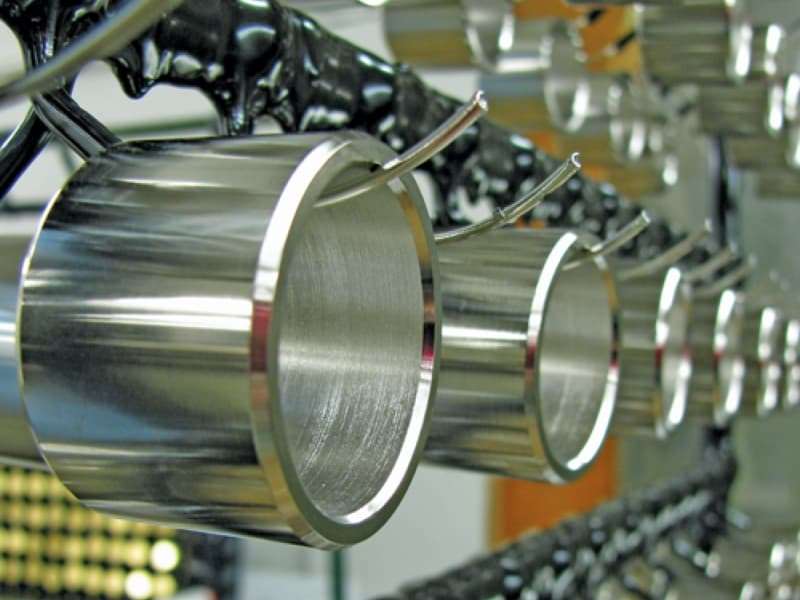
Why 316 Stainless Steel?
- Superior Chloride Resistance: Sterilization agents like sodium hypochlorite (bleach) corrode standard stainless steels. The 2-3% molybdenum in 316 forms a passive layer that resists pitting corrosion—a critical advantage over 304.
- Biocompatibility: Unlike sulfur-enhanced 303 (which risks ion leaching), 316’s nickel-chromium composition ensures compatibility with human tissue.
- Thermal Stability: Withstanding over 200 autoclave cycles at 135°C required a material that wouldn’t warp—a key strength of 316.
Ne Yaptık?
Enhanced Precision Manufacturing: We used advanced CNC turning and milling technologies to create parts with the tightest tolerances and excellent surface finishes, meeting Company A’s exact needs.
Kalite Güvencesi:
Implemented a strict quality control process, including inspections during production and final checks, to guarantee that every part delivered to Company A met the highest standards.
Timely Deliveries:
Set up a reliable delivery schedule, work closely with Company A’s production team to deliver parts just in time, reducing the risk of production delays.

Material Differences: 304 vs. 316 vs. 303
To contextualize the decision, we compared three stainless steel grades:
| Mülk | 304 | 316 | 303 |
|---|---|---|---|
| Korozyon Direnci | Good (general use) | Excellent (chlorides) | Ilıman |
| İşlenebilirlik | Ilıman | Challenging | Best (sulfur-added) |
| Biocompatibility | Yüksek | Low (sulfur content) | Highest |
| Maliyet | $3.50/kg | $5.20/kg | $3.80/kg |
While 303’s machinability and 304’s affordability were tempting, 316’s ability to balance FDA compliance with chemical resistance made it the only viable option.
Yüzey İşlemleri
Even the most precisely machined stainless steel parts require refinement to meet medical-grade standards. Two post-processing methods proved essential:
Electropolishing:
By electrochemically removing a 20-30μm surface layer, we reduced surface roughness (Ra) from 1.2μm to 0.18μm, eliminating micro-crevices where bacteria could thrive. This achieved FDA-mandated “cleanability” for reusable tools, ensuring hygienic performance.
Pasivasyon:
A nitric acid bath dissolved free iron particles, enhancing the chromium oxide layer thickness by 40%. This boosted post-sterilization corrosion resistance, critical for tools exposed to harsh sterilization agents.
Why Not Powder Coating or Chrome Plating?
While these finishes offer aesthetic appeal, they risk peeling under repeated thermal stress—a non-starter for autoclaved surgical instruments.
The Final Solution
Malzeme
Grade 316 stainless steel rods, selected for consistent molybdenum content to ensure optimal chloride resistance.
CNC İşleme
5 eksenli işleme with carbide tools achieved ±0.005mm tolerances on jaw hinges, ensuring precision in critical areas.
Son İşleme
Electropolishing and passivation were validated via SEM microscopy to confirm surface quality.

Sonuçlar:
- Zero corrosion observed after 18 months of clinical use.
- A 70% reduction in bacterial contamination rates.
- Tools now endure over 1,000 autoclave cycles, compared to just 200 with aluminum.
“The partnership transformed our product lifecycle,” the client reported. “Surgeons now trust our tools for delicate procedures, knowing they’re built to last.”
Çözüm
- Material Intelligence: Understanding the role of alloying elements like molybdenum in 316 stainless steel is as important as machining expertise.
- Beyond Machining: Even perfect machined stainless steel parts need surface finishing to meet specific demands.
- Cost or Value: While 316 costs 50% more than 304, its 5x longer lifespan reduces long-term expenses.
For engineers tackling corrosion, contamination, or regulatory challenges, custom stainless steel parts are more than components. They’re engineered lifelines. By combining metallurgical expertise with precision manufacturing, businesses can turn material limitations into competitive advantages.
The Beska team has been working on precision CNC işleme. We have dealed with 1, 000 manufacturing projects. Throught years’ exploration, we have become an expert of CNC machining. So, if you have any question about it, we’d like to assist you. Or bize Ulaşın for a quote!
 Turkish
 English
 Hebrew
 French
 Russian
 German
 Spanish
 Portuguese