


Laser engraving on stainless steel has become a crucial solution for manufacturers facing challenges in product differentiation, traceability, and customization.
Whether you’re looking to add precise logos, serial numbers, or decorative patterns, modern laser engraving technology offers high accuracy, efficiency, and adaptability.
In this article, we’ll explore how laser engraving works on stainless steel, the benefits it offers compared to other marking methods, key factors that affect engraving quality, and practical tips for achieving optimal results.
1. How Laser Engraving Works on Stainless Steel

Stainless steel’s inherent corrosion resistance and hardness, derived from its chromium–nickel alloy composition, make traditional engraving methods challenging. Mechanical engraving can scratch or deform the surface, while chemical etching often sacrifices precision and produces hazardous waste. Laser engraving addresses these issues by applying concentrated energy without direct contact.
Most industrial setups use fiber lasers (1064 nm). The laser generates a high-energy beam, which is precisely guided by a galvanometer system and focused onto a microscopic spot on the stainless steel surface. The energy converts instantly to heat, causing localized oxidation, melting, or vaporization:
- Shallow marking: It forms an oxide layer (gold, blue, or black) without removing material. Suitable for logos, QR codes, or serial numbers.
- Deep engraving: It removes material through multiple passes, producing textures or even 3D patterns with precision down to 0.01 mm.
By combining non-contact processing with high-energy precision, laser engraving delivers consistent, durable results that traditional methods struggle to match.
2. Types of Laser Marks
Laser engraving on stainless steel can produce different kinds of marks depending on the energy level and process used. The two most common are:
Laser Annealing/Oxidation Marks
This technique creates a thin oxide layer (Fe₃O₄) on the surface, changing its color without affecting flatness or structural integrity. By controlling layer thickness, manufacturers can achieve black, brown, or iridescent hues that are permanent and highly durable.
Laser Engraving/Etching
With higher energy settings, the laser removes micro layers of stainless steel to form tactile indentations. Depths range from just a few microns to several tens of microns. The resulting patterns can remain in the natural silver finish or be filled with colored coatings for a stronger visual effect.
These options give you more flexibility to choose markings that balance appearance, durability, and production needs.
3. Advantages of Laser Engraving Compared to Traditional Methods

When evaluating marking techniques for stainless steel, it’s helpful to compare laser engraving with conventional processes such as mechanical engraving or chemical etching. The table below highlights the key differences:
| Advantage | Lazer Gravür | Traditional Methods |
| Kesinlik | Up to 0.01 mm | Around 0.1 mm |
| Hız | 5× faster than etching | Slower, requires molds or chemicals |
| Malzeme Uyumluluğu | Works on 201, 304, 316 stainless steel, brushed, mirrored, or sandblasted surfaces | Limited by material and surface |
| Çevresel Etki | No chemicals, waste, or emissions | Uses acids/bases, generates waste water |
| Özelleştirme | Single items or small batches cost-effective | Expensive for small batches |
| Surface Integrity | Minimal depth, no damage to passivation layer | Can scratch or alter surface |
Laser engraving ensures compliance with global standards, whether for food-contact logos, medical UDI codes, or industrial traceability. It supports high-efficiency production while maintaining product integrity and environmental compliance.
4. Tips for Optimal Laser Engraving Results

Consistent, high-quality markings depend not only on the laser itself but also on careful choices around material, design, and process. The following considerations help ensure reliable results:
Malzeme Seçimi
- Austenitic stainless steel (304, 316): Excellent for deep black marking thanks to high corrosion resistance.
- Martensitic stainless steel (410, 420): Higher carbon content may result in slightly lower contrast.
Yüzey Kaplama
- Mirror, brushed, or sandblasted finishes influence mark visibility; slightly rough textures can improve readability.
- 2B (matte) or BA (bright) finishes are generally more consistent and cost-effective for laser engraving.
Preparation Steps
- Clean surfaces of oils or residues using alcohol or metal cleaners.
- Remove oxide layers, if present, by light sanding or a laser pre-treatment.
Design Files
- Vector formats (.AI, .EPS, .DXF, .SVG) yield the best precision.
- High-resolution bitmap images (≥300 DPI) are suitable for complex designs.
Laser Parameter Optimization
- Adjust power, speed, frequency, and line spacing based on material and desired effect.
- Low speed with high power creates deep black marks; high frequency with multiple passes produces fine, shallow engravings.
Son İşleme
- Generally unnecessary; optional cleaning can remove micro-oxidation residues for higher aesthetic standards.
By combining appropriate materials, well-prepared designs, and fine-tuned parameters, manufacturers can achieve consistent, high-contrast laser marks on stainless steel across diverse applications.
5. Key Applications of Laser Engraving on Stainless Steel
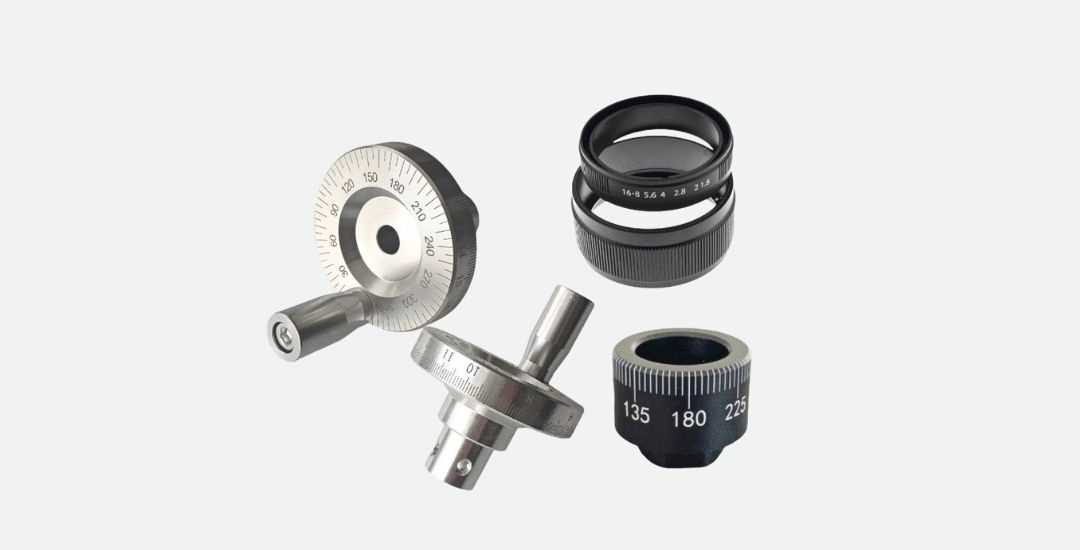
Laser engraving on stainless steel combines precision and durability, making it valuable across many sectors.
Industrial and Manufacturing
Manufacturers use it to apply serial numbers, batch codes, logos, part numbers, and safety warnings. These permanent, high-contrast markings meet strict traceability and branding requirements in automotive, aerospace, electronics, tooling, and machinery.
Tıbbi Cihazlar
Surgical instruments, drills, and implants can be laser-marked with biocompatible, sterilization-resistant codes. The markings remain legible after repeated high-temperature cleaning, ensuring compliance and patient safety.
Construction and Home Décor
High-end elevator panels, signage, kitchen appliances, and decorative panels benefit from intricate, personalized designs that enhance aesthetics and function.
Promotional and Gift Items
Water bottles, pens, keychains, medals, and trophies can be customized with precise logos or patterns, giving each item a premium, distinctive feel.
Food and Hospitality
Cutlery and cookware engraved with logos or custom designs help restaurants and hospitality brands present a consistent, professional image.
Across these industries, stainless steel laser engraving delivers long-lasting, high-contrast markings while supporting both large-scale production and small-batch customization.
Çözüm
Laser engraving on stainless steel is a versatile solution that helps manufacturers enhance product differentiation, ensure traceability, and enable customization. Its precision, durability, and adaptability make it suitable for industries ranging from medical devices and industrial components to high-end décor and promotional items.
In practice, the best results come from a thoughtful combination of material selection, surface preparation, and process parameters. When paired with complementary technologies such as CNC işleme and sheet metal fabrication, laser engraving can turn standard components into high-value products with both functional and aesthetic appeal.
Looking for a custom manufacturing solution? Consulting a knowledgeable supplier like the Beska team ensures your products not only meet industry standards but also stand out in the market.
Deeper into Our Resources
İçgörü dolu okumalar için, sizin için özel olarak önerilen makalelerden oluşan bir liste hazırladık:
 Turkish
 English
 Hebrew
 French
 Russian
 German
 Spanish
 Portuguese