


Annealing and normalizing are both heat treatments used to modify the structure and properties of steel. When comparing full annealing with normalizing, the main difference is cooling: annealing typically uses slow, controlled cooling, while normalizing uses air cooling.
This difference affects hardness, ductility, grain structure, machinability, and processing time. This article explains how the two processes differ and when each may be more suitable for manufacturing.
1. What is Normalizing?
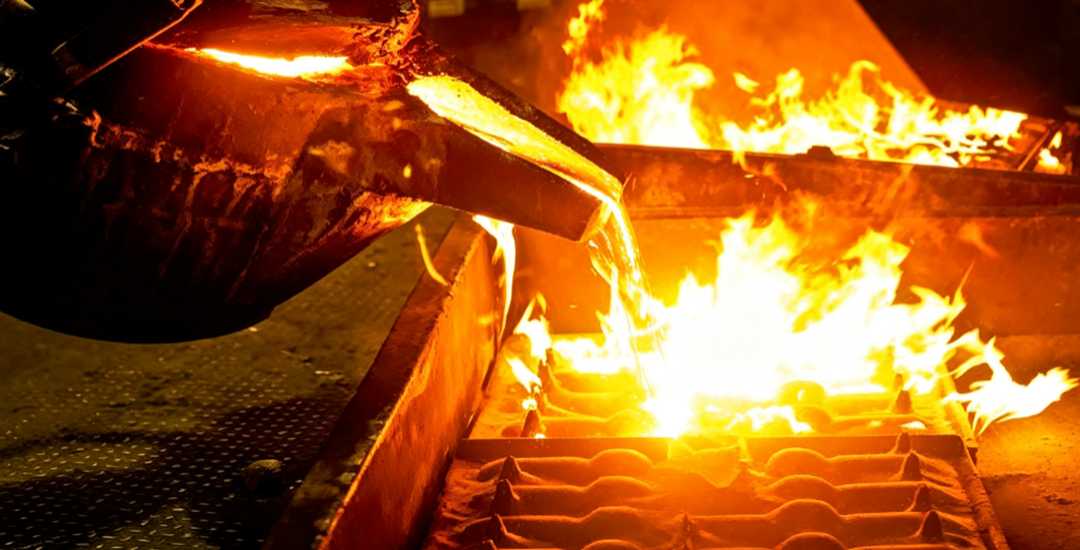
Normalizing is a heat treatment mainly used for carbon and low-alloy steels to refine grain structure and create a more uniform material condition after forging, hot rolling, or casting.
The steel is heated above its transformation range and held long enough for austenitization to occur. It is then removed from the furnace and cooled in air. This faster cooling rate produces a finer microstructure than full annealing and generally results in higher hardness and strength.
Normalizing is often selected when the goal is to improve structural uniformity, refine coarse grains, or create a more consistent starting condition for subsequent machining or heat treatment.
2. What Is Annealing?
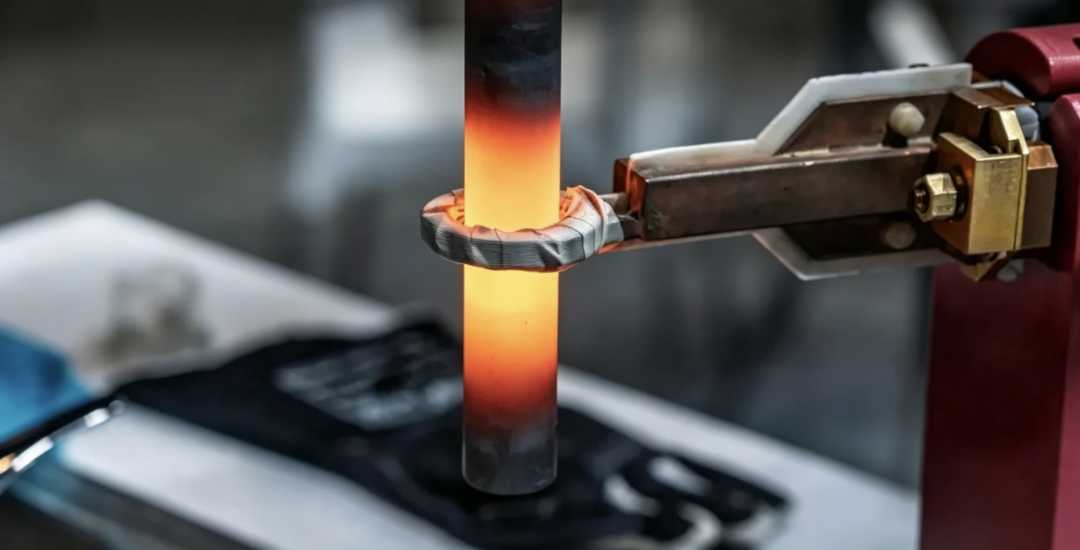
Annealing is a heat treatment used to reduce hardness, increase ductility, and create a softer material condition for further machining or forming. In this comparison, annealing mainly refers to full annealing of steel.
During full annealing, steel is heated into the appropriate transformation range, held at temperature, and then cooled slowly under controlled conditions. The slower cooling generally produces a softer and more ductile structure than normalizing.
Annealing is often selected when greater softness or ductility is required before machining, forming, or subsequent heat treatment. The exact cycle and resulting hardness depend on the steel grade, starting condition, and required properties.
3. Material Suitability and Starting Condition
The choice between annealing and normalizing depends on more than carbon content. Steel grade, starting microstructure, previous processing, and the requirements of the next manufacturing step all need to be considered.
| Material or Condition | Annealing May Be Used When | Normalizing May Be Used When |
| Low-carbon steel | Greater ductility or recovery from cold working is required | Grain refinement or a more uniform structure is needed after hot working |
| Medium-carbon / low-alloy steel | A softer condition is needed before extensive machining or further heat treatment | Refining the structure after forging, rolling, or casting is the main goal |
| High-carbon and tool steels | Lower hardness or a spheroidized carbide structure is required before machining or forming | The specified heat-treatment route requires grain refinement or structural uniformity |
| Hot-worked or forged steel | A softer condition is required for the next operation | Coarse or uneven grain structure needs to be refined |
The incoming condition is especially important. Forging, hot rolling, casting, and cold working can leave steel with very different microstructures and hardness levels, so two parts made from the same grade may not require the same treatment.
Carbon content is therefore a useful starting point, but it should not be used alone to choose between annealing and normalizing. The required microstructure, machinability, ductility, and subsequent heat-treatment steps are equally important.
4. Annealing vs Normalizing: Key Differences
The main difference between full annealing and normalizing is the cooling method. This difference changes the final microstructure and influences hardness, ductility, machinability, and processing time.
| Faktör | Full Annealing | Normalleştirme |
| Cooling Method | Slow, controlled cooling, often in the furnace | Cooling in air |
| Microstructure | Generally coarser and softer | Generally finer and more uniform |
| Sertlik | Usually lower | Usually higher |
| Ductility | Generally higher | Generally lower than the fully annealed condition |
| Main Purpose | Reduce hardness and increase ductility | Refine grain structure and improve structural uniformity |
| Processing Time | Usually longer | Usually shorter |
| Tipik Uygulamalar | When a softer condition is required before machining or forming | After forging, hot rolling, or casting when grain refinement is needed |
Normalizing does not simply provide a faster version of annealing. It produces a different microstructure and is selected when grain refinement and a more uniform material condition are important.
Full annealing is more appropriate when the manufacturing process requires a softer or more ductile steel condition. The final choice should be based on the steel grade, starting condition, and the requirements of subsequent machining, forming, or heat treatment.
5. Annealing vs Normalizing for CNC Machining
The heat-treated condition of steel can influence machinability, dimensional stability, and the sequence of subsequent manufacturing operations.
İşlenebilirlik
Annealed steel is generally softer than normalized steel, but lower hardness does not always mean better machinability. Soft or spheroidized annealing can improve the machinability of higher-carbon and tool steels, while very soft low-carbon steels may become more difficult to cut because of poor chip formation.
Normalizing can provide a finer and more uniform microstructure, which may result in more predictable machining behavior for carbon and low-alloy steels.
Boyutsal Kararlılık
Heat treatment can release or redistribute residual stresses, but dimensional change depends on more than the cooling method. Part geometry, section thickness, previous forming or machining, material condition, and heating and cooling uniformity can all influence distortion.
For precision components, the heat-treatment condition and machining sequence should therefore be planned together rather than assuming that either annealing or normalizing will automatically provide better dimensional stability.
Downstream Manufacturing
The required final properties should also guide the choice. Annealing may be useful when a softer condition is needed before extensive machining, forming, or subsequent hardening. Normalizing may be preferred when grain refinement and a uniform starting structure are more important.
The best condition for CNC işleme depends on the steel grade, incoming material state, and the mechanical properties required in the finished component.
6. How to Choose Between Annealing and Normalizing
The choice between annealing and normalizing should be based on the material condition and the properties required before the next manufacturing step.
- Choose annealing when a softer or more ductile condition is required, particularly before extensive machining, forming, or subsequent heat treatment. Soft or spheroidizing annealing is also commonly used for higher-carbon and tool steels when lower hardness and improved machinability are needed.
- Choose normalizing when the main goal is to refine coarse grains and create a more uniform microstructure after forging, hot rolling, or casting. It is most commonly applied to carbon and low-alloy steels.
Carbon content is an important factor, but it should not be considered alone. Steel grade, incoming microstructure, section size, machinability requirements, and downstream heat treatment should all influence the final choice.
Çözüm
Annealing and normalizing are not interchangeable. Full annealing is generally used when a softer and more ductile steel condition is required, while normalizing is selected when grain refinement and a more uniform microstructure are the main goals.
For CNC-machined steel components, the heat-treated condition should be considered together with material grade, machining requirements, and final mechanical properties. Beşka supports CNC machining, sheet metal fabrication, and mechanical assembly for custom parts with specified material and heat-treatment requirements.
 Turkish
 English
 Hebrew
 French
 Russian
 German
 Spanish
 Portuguese