


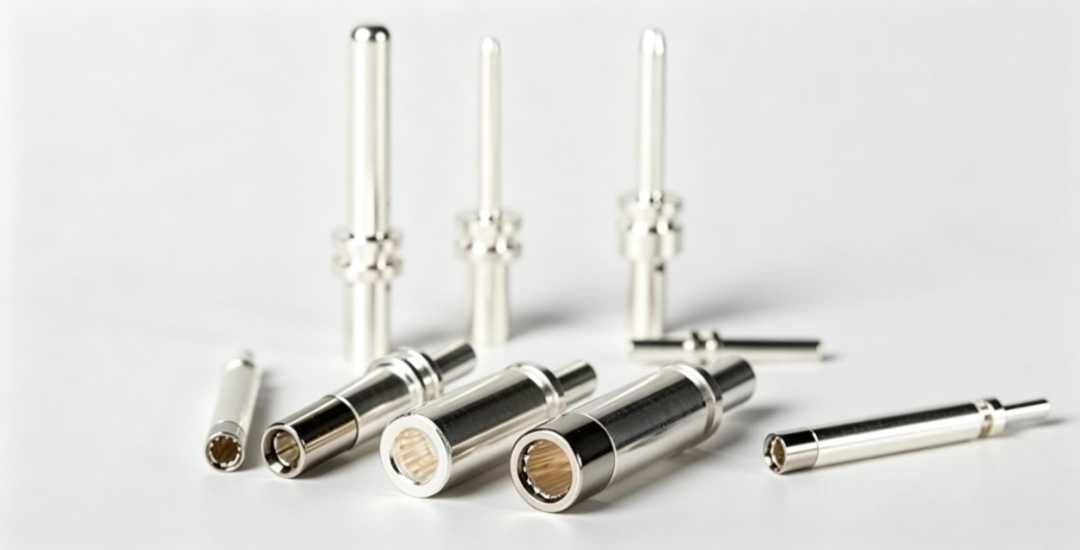
Silver plating is used on precision parts where high electrical conductivity, solderability, or low-friction surface behavior is required. Common applications include electrical contacts, bus bars, connectors, and selected threaded or sliding components.
Its main limitation is that silver is relatively soft and can tarnish in sulfur-containing environments. The coating also adds material to the part surface, which can affect threads, fits, and other tight-tolerance features if the plating thickness is not considered during design.
This article explains how silver plating works, where it is useful, how to specify and inspect it, and when finishes such as gold, tin, or nickel may be a better choice.
1. What Is Silver Plating?
Silver plating is the deposition of a thin metallic silver layer onto a prepared metal surface, most commonly by electroplating for engineering parts. The coating is used where electrical conductivity, solderability, or surface performance is important.
Substrate Preparation and Underplating
Good adhesion starts with proper cleaning and surface activation. The exact pretreatment depends on the base material, and some substrates may require a strike or underplate before silver deposition.
Nickel underplating is common in some systems, but it is not a universal requirement. The correct sequence should follow the substrate and the specified plating process.
Relevant Standards
For engineering silver plating, drawings may reference standards such as:
- ASTM B700 — electrodeposited silver coatings for engineering applications
- AMS 2410 — silver plating with nickel strike and high bake
- AMS 2411 — silver plating for high-temperature applications
The older QQ-S-365 specification has been canceled and should be treated as a legacy reference rather than a current standard.
2. Key Properties of Silver Plating
Silver plating is selected for more than conductivity alone. Its value usually comes from a combination of electrical performance, solderability, friction behavior, and the surface conditions it must withstand in service.
Electrical and Thermal Conductivity
Silver has very high electrical and thermal conductivity, which is why silver plating is widely used on electrical contacts, connectors, bus bars, and other current-carrying surfaces.
The benefit comes from the plated contact surface rather than from changing the bulk properties of the component.
Solderability
Silver-plated surfaces generally offer good solderability when the coating condition and storage environment are properly controlled.
Tarnish, contamination, and prolonged storage can affect soldering performance, so solderability requirements should be considered together with post-treatment and handling.
Friction and Anti-Galling Behavior
Silver plating can also reduce friction and help limit galling or seizure on selected threaded and sliding interfaces. This is one reason it has been used on some aerospace fasteners and other mechanically loaded mating surfaces.
This benefit is application-specific and should not be treated as a replacement for lubrication in every mechanical assembly.
Tarnish and Wear Limitations
Silver is relatively soft and can wear under repeated sliding or mating contact. It also reacts with sulfur-containing contaminants and develops surface tarnish over time.
Tarnish does not automatically make an electrical contact unusable, but it can increase contact resistance, particularly where contact force is low or signal levels are small. Anti-tarnish treatments can slow this change but do not remove the environmental limitation entirely.
Where long-term contact stability, high wear resistance, or severe environmental exposure is more important than maximum conductivity, another finish may be more suitable.
3. Where Silver Plating Is Used
Silver plating is most useful where the surface must carry current, support soldering, reduce friction, or maintain performance under demanding service conditions. The application matters because the same coating may behave very differently in electrical, sliding, or high-temperature use.
Electrical Contacts and Power Hardware
Silver plating is commonly used on electrical contacts, connectors, bus bars, terminals, and switching components because it provides a highly conductive contact surface.
Selective plating is often used when only the mating or current-carrying area needs silver, reducing unnecessary precious-metal coverage on the rest of the part.
Aerospace and High-Temperature Hardware
Silver plating is also used on selected aerospace fasteners and other mechanically loaded components where reduced friction or resistance to galling is important.
For high-temperature applications, the plating system and underlayer must follow the applicable specification. AMS2411, for example, covers silver plating with a nickel strike for high-temperature service.
Industrial and Energy Applications
Industrial automation, power-distribution equipment, battery systems, and other electrical hardware may use silver-plated contact surfaces where low electrical resistance and reliable current transfer are important.
The coating may be limited to functional surfaces rather than applied to the entire component, especially when cost or dimensional buildup must be controlled.
Selected Medical Applications
Silver-containing coatings may be considered in some medical or diagnostic components because of their antimicrobial behavior or electrical properties.
However, silver plating should not be treated as automatically suitable for medical use. Suitability depends on the finished device, patient-contact conditions, coating chemistry, and the required biological-safety evaluation.
4. Design and Drawing Considerations
Silver plating requirements should be defined around the surfaces that actually need the coating and the function they perform. Thickness, masking, dimensional buildup, and post-treatment can all change how the finished part fits or performs.
Kaplama Kalınlığı
Specify the required silver thickness or the applicable plating specification on the drawing.
The appropriate thickness depends on the electrical, soldering, wear, or service requirement. A universal thickness range should not be used across different applications.
Selective Plating and Masking
If silver is only needed on contact, mating, or other functional surfaces, define those areas clearly on the drawing.
Selective plating can reduce unnecessary silver coverage, but masking feasibility should be reviewed for complex geometry, small features, and difficult-to-access surfaces.
Dimensional Buildup
Silver plating adds material to the coated surfaces and can affect threads, close fits, bores, and other tolerance-sensitive features.
Pre-plate dimensions and final inspection requirements should therefore account for the specified coating thickness where fit is critical.
Substrate and Underplating
The required pretreatment and underplate depend on the base material and plating specification.
Copper alloys, steels, stainless steels, aluminum alloys, and nickel-based materials may require different activation or intermediate layers, so a nickel underplate should not be assumed for every part.
Surface Condition
Plating follows the underlying surface rather than correcting poor machining or surface defects. Scratches, burrs, roughness, and damaged edges may remain visible or affect the finished functional surface.
Where surface condition matters, the pre-plate requirement should be defined according to the final electrical, sliding, sealing, or cosmetic function rather than a universal Ra limit.
Anti-Tarnish Treatment
If tarnish resistance is important, the required post-treatment should be stated on the drawing or plating specification.
Anti-tarnish treatments can slow discoloration and sulfide formation, but they do not make silver immune to aggressive environments. For severe sulfur exposure or demanding long-term contact performance, an alternative finish may need to be considered.
5. Inspection and Quality Control
Silver-plated parts are typically checked for coating thickness, adhesion, surface condition, and any dimensional change that affects function. Additional tests should be specified only when they are relevant to the application or plating standard.
Kaplama Kalınlığı
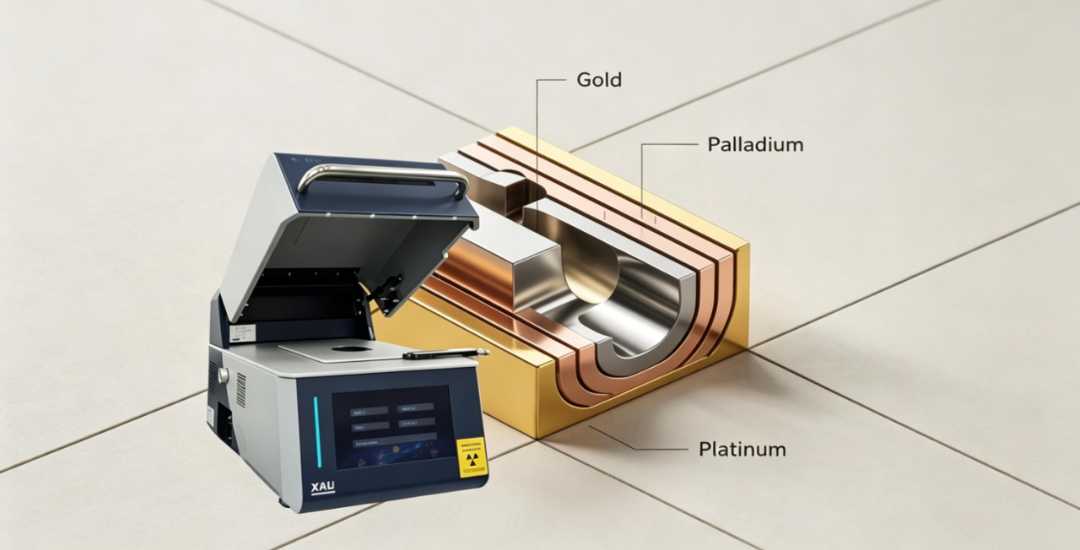
X-ray fluorescence (XRF) is a common nondestructive method for measuring metallic coating thickness and is useful for many silver-plated parts, including selectively plated areas. Other methods may also be used depending on the substrate, coating system, geometry, and specification.
For critical features, measurement locations should be defined because electroplated thickness may vary across the part.
Yapışma
Adhesion testing should follow the applicable plating specification. ASTM B571 provides several qualitative methods for metallic coatings rather than prescribing one universal tape test.
The appropriate method depends on the coating, substrate, thickness, and intended service condition.
Surface and Dimensional Inspection
Visual inspection can identify discoloration, blisters, scratches, incomplete coverage, and masking defects.
Threads, bores, mating surfaces, and other tolerance-sensitive features should also be checked after plating where coating buildup can affect fit or assembly.
Porosity and Coating Continuity
Porosity testing is not required for every silver-plated part. It may be specified for electrical, corrosion-sensitive, or other applications where exposed substrate or coating discontinuities could affect performance.
The test method and acceptance criteria should follow the governing plating specification or customer requirement rather than a general shop practice.
6. Common Silver Plating Problems
Silver-plating defects can come from substrate preparation, plating conditions, part geometry, storage, or service conditions. The visible defect is useful for diagnosis, but it does not always point to a single cause.
Peeling and Blistering
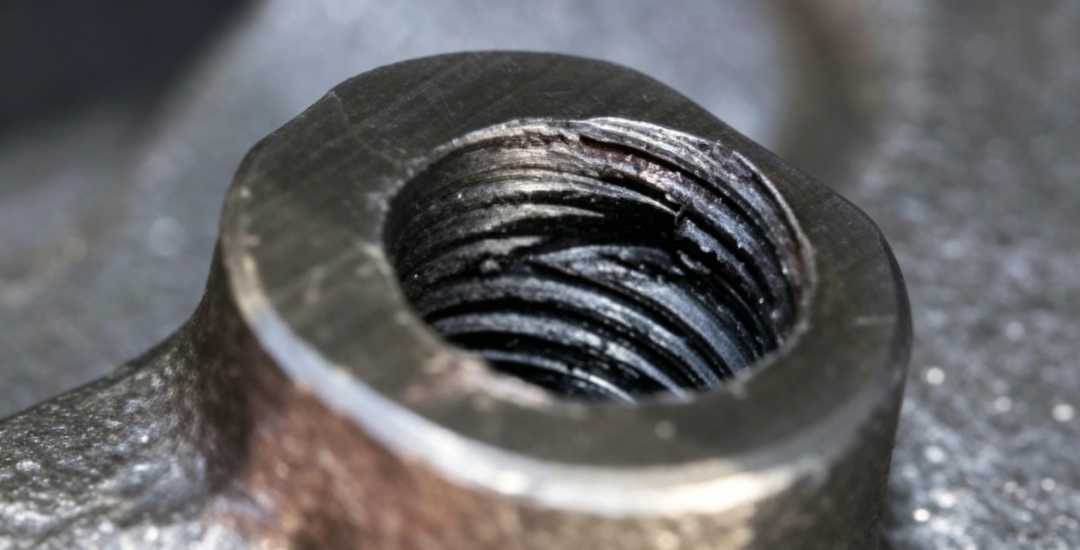
Loss of adhesion may be related to incomplete cleaning, poor surface activation, contamination, an unsuitable strike or underplate, or problems within the plating process itself.
When peeling or blistering appears, the pretreatment sequence, substrate condition, underplate system, and plating-process records should be reviewed together rather than assuming one missing process step is responsible.
Tarnish and Discoloration
Silver can darken when exposed to sulfur-containing contaminants and certain storage or service environments. Tarnish may develop even when an anti-tarnish treatment has been applied.
Early discoloration should therefore be reviewed against the operating atmosphere, packaging, storage conditions, handling, and any specified post-treatment.
Wear, Galling, or Seizure
Silver can reduce friction in selected threaded or sliding interfaces, but the coating can still wear or lose effectiveness under repeated contact.
Possible contributors include insufficient coating durability for the service condition, high contact pressure, rough or damaged mating surfaces, misalignment, and repeated sliding. The coating specification should be reviewed together with the actual contact mechanics rather than treating thickness alone as the solution.
Porosity and Exposed Substrate
Pinholes or local substrate exposure can reduce corrosion protection or affect electrical performance where coating continuity is important.
Possible causes include substrate roughness, local thickness variation, surface contamination, difficult geometry, or plating-process instability. Where porosity is functionally important, the coating system and inspection method should be defined by the applicable specification.
Dimensional Interference
Silver plating adds material to threads, bores, fits, and other coated surfaces. If that buildup is not included in the dimensional plan, the finished part may bind or fall outside the required fit.
Critical features should therefore be reviewed in the plated condition, with pre-plate dimensions, coating thickness, local thickness distribution, and post-plating inspection considered together.
7. Silver vs Alternative Finishes
Silver is a strong choice when electrical conductivity, solderability, or anti-galling behavior is the priority. Other finishes may be more suitable when long-term contact stability, wear resistance, corrosion resistance, or cost becomes more important.
| Finish | Main Advantages | Main Limitations | Often Considered For |
| Silver | Very high electrical conductivity, good solderability, useful anti-galling behavior | Tarnish, relatively soft surface, wear sensitivity | High-current contacts, bus bars, selected threaded or sliding interfaces |
| Hard Gold | Stable contact resistance, strong tarnish and corrosion resistance, better wear resistance | High material cost, lower bulk conductivity than silver | Low-level signal contacts, high-cycle connectors, demanding contact environments |
| Tin | Low cost, good solderability, widely used on electrical terminals | Lower conductivity than silver, oxidation and fretting behavior require consideration; tin whiskers may be a concern in some systems | General electrical connectors, solderable terminals, cost-sensitive assemblies |
| Nickel / Electroless Nickel | Good wear and corrosion resistance; electroless nickel can provide relatively uniform coverage on complex geometry | Much lower electrical conductivity than silver | Industrial hardware, wear surfaces, corrosion-resistant components |
When Another Finish May Be Better
For low-level electrical contacts where stable contact resistance over time is more important than maximum conductivity, hard gold may be a better choice than silver.
For cost-sensitive solderable terminals or general connector hardware, tin may provide sufficient performance without the material cost of a precious-metal finish.
Where wear or corrosion resistance is the main requirement rather than electrical conductivity, nickel or electroless nickel may be more suitable.
The finish should therefore be selected around the required surface function rather than by treating silver as the default conductive coating.
Çözüm
Silver plating is a strong functional finish when electrical conductivity, solderability, or anti-galling behavior is important. Its main trade-offs are tarnish, wear sensitivity, and dimensional buildup on coated features.
The coating should therefore be specified around the actual surface function rather than treated as a default conductive finish. Where long-term contact stability, wear resistance, or corrosion resistance matters more, gold, tin, or nickel-based finishes may be more suitable.
For CNC-machined parts, Beska can review plating thickness, masking areas, and critical dimensions during DFM before the surface-finish specification is finalized.
 Turkish
 English
 Hebrew
 French
 Russian
 German
 Spanish
 Portuguese