


Stainless steel is a versatile material found in a wide range of applications, from automotive components and kitchen appliances to medical devices. Its strength and corrosion resistance make it highly desirable, yet these same properties can make forming precise, reliable parts a complex challenge.
Stamping has become a critical method to address this challenge, offering a way to produce intricate components efficiently while maintaining consistent quality.
In this article, we will examine the essentials of stainless steel stamping, including material considerations, key processes, and best practices that ensure successful and high-quality production.
1. Why Stainless Steel Is Ideal for Stamping

Stainless steel is widely favored for stamping due to several key characteristics:
- Corrosion Resistance—Stainless steel parts can withstand exposure to moisture, chemicals, and high-humidity environments without rusting, ensuring long-term durability in applications ranging from kitchen appliances to outdoor machinery.
- Strength and Toughness—This material provides a balanced combination of strength and ductility, allowing stamped parts to maintain structural integrity while accommodating bends, curves, and other deformations during forming.
- Surface Finish Options—Stainless steel supports a variety of surface treatments, including polished, brushed, and coated finishes, making it suitable for both functional components and visually demanding applications.
However, stainless steel is more challenging than carbon steel. Its higher strength, work-hardening tendency, and low thermal conductivity require careful control of material selection, tooling, and process parameters.
To address these challenges, the stamping industry has advanced in several directions. Precision tolerances have tightened significantly, efficiency has improved with progressive dies running at over 200 strokes per minute, and smart manufacturing technologies such as sensors and AI-driven monitoring are now widely adopted. Together, these developments make stainless steel stamping more reliable and scalable than ever before.
2. What Is Stainless Steel Stamping?

Stamping is a metal forming process in which a die applies pressure to a sheet of metal, causing it to deform or separate to achieve the desired shape and dimensions. Compared with carbon steel, stainless steel presents additional challenges due to its unique material properties:
- High Strength—Grades such as 304 and 316 stainless steel have higher hardness, requiring greater stamping force.
- Rapid Work Hardening – Stainless steel hardens quickly during deformation, which can complicate subsequent forming operations.
- Significant Springback – Its higher elastic modulus means the material tends to spring back after stamping, potentially affecting dimensional accuracy.
To achieve consistent quality and production efficiency, careful selection of material, tooling, lubrication, and process parameters is essential.
3. Stainless Steel Stamping Process
To better understand how stainless steel stamping is carried out, it is helpful to break down the process into its main equipment, steps, and considerations.
3.1 Equipment Selection
Successful stainless steel stamping begins with selecting the right equipment, as it directly determines efficiency, precision, and production feasibility.
| Equipment Type | Suitable Process | Recommended Tonnage |
| Mechanical Press | High-speed blanking, shallow drawing | 25–200T |
| Hydraulic Press | Deep drawing, precision forming | 100–1000T |
| Servo Press | High precision, energy-saving | 30–300T |
3.2 Basic Steps
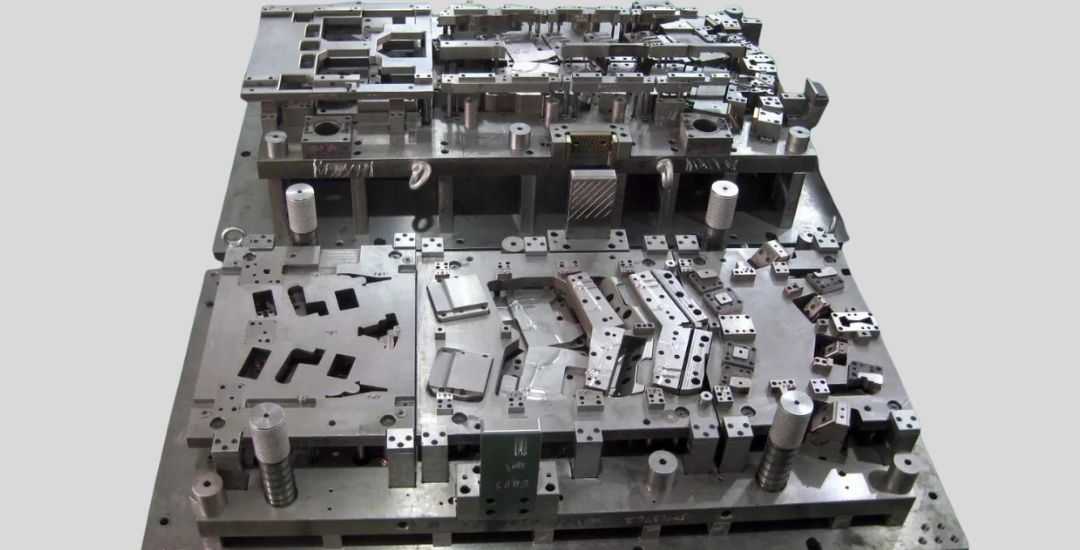
Stainless steel stamping involves multiple operations, each contributing to the final part’s shape, precision, and surface quality. These stages include blanking, punching, bending, drawing, and finishing, all performed in a controlled sequence to ensure consistency and dimensional accuracy.
1. Blanking—The process begins with preparing stainless steel sheets to the required size and shape. Mechanical shears or precision laser cutting are typically used, ensuring the material is ready for subsequent stamping operations.
2. Punching—Stamping dies create holes or separate sections of the material. Accurate die alignment and controlled press force are critical to achieve clean edges and minimize burrs.
3. Bending—Parts are formed into the desired angles and profiles using press brakes or dedicated forming dies. Although it is technically a bending operation, it falls under the stamping process, as it involves die-induced plastic deformation. Proper setup is essential to control springback and achieve precise angles.
4. Drawing—Deep-drawn components, such as sinks, containers, or recessed panels, are produced by stretching the metal into die cavities. This operation is also considered part of stamping because it relies on controlled deformation. Material selection, lubrication, and press speed must be carefully managed to prevent tearing or wrinkling.
5. Finishing—After forming, components may require adjustment to correct springback and refine dimensional accuracy. This step ensures that parts meet design specifications and fit correctly in assemblies.
6. Surface Treatment—Depending on the intended application, stainless steel parts can undergo various finishing processes. Options include polishing, kumlama, plating, or applying protective coatings, enhancing both appearance and corrosion resistance.
3.3 Tooling Materials
Tool life is critical for production cost. Traditional Cr12MoV dies worn quickly with stainless steel. Consider self-lubricating materials or hard-chrome-coated SKD11 for longer life. Proper die radius design helps prevent cracking in thicker or dual-phase steel.
| Kalıp Bileşeni | Önerilen Malzeme | Sertlik |
| Punch/Die | SKD11, DC53 | HRC 60–62 |
| Guide Components | Hard-chrome steel | HRC 58–60 |
| Hold-down Plate | Alloy tool steel | HRC 56–58 |
3.4 Key Process Parameters
Once the equipment and forming steps are determined, attention must turn to process parameters.
- Press Speed: 2/3 of carbon steel speed; thin sheets ≤15 SPM, thicker sheets up to 20 SPM.
- Annealing: 800–850℃ for 30 min restores elongation above 55%.
- Press Force: Adjust dynamically; e.g., 0.5mm 304 SS: 80–120 kN, 1.5mm dual-phase: 180–250 kN.
- Die Clearance: 1.05–1.1× material thickness; thin sheets ≤1mm may use 1.02×.
- Progressive Stamping: Preforming followed by final forming improves yield for difficult materials like titanium.
4. Choosing Stainless Steel Materials
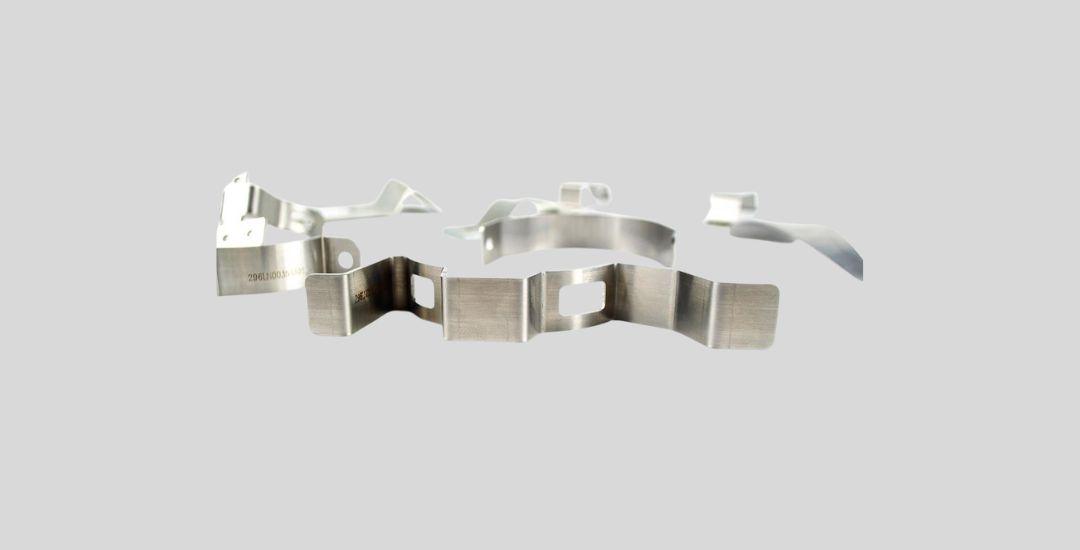
The choice of stainless steel grade directly affects formability, strength, and surface finish, so it is helpful to start with the most commonly used types.
Common Types
| Malzeme | Özellikler | Yield Strength (MPa) | Tensile Strength (MPa) | Elongation (%) | Suitable Process | Typical Products |
| 304 | Austenitic, corrosion-resistant | 205 | 515 | 40 | Deep drawing, stretching | Kitchenware, appliance shells |
| 316 | High corrosion resistance, marine | 220 | 520 | 40 | Deep drawing, stretching | Medical devices, chemical equipment |
| 430 | Ferritic, magnetic, low cost | 310 | 460 | 25 | Simple forming | Decorative parts, hardware |
| 410 | Martensitic, high strength | 450 | 750 | 12 | Simple punching | Tools, shafts |
| 201 | High strength, low corrosion | 275 | 520 | 40 | Simple punching | Low-end hardware |
While grades like 304 and 316 offer excellent formability for deep drawing, higher-strength steels such as 410 require careful process control to avoid cracking or springback.
Material Selection Tips
Several practical factors determine whether the material will perform well during stamping and meet end-use requirements:
- Thickness – Stainless steel sheets generally range from 0.1 mm to 6 mm. Thin gauges are suitable for lightweight or detailed components, while medium and thick sheets provide the strength required for structural or load-bearing parts.
- Tolerance – Cold-rolled sheets usually offer tighter tolerances of ±0.02–0.05 mm. Applications with strict dimensional requirements may call for even higher precision.
- Surface Finish-Options such as 2B, BA, or No. 3 finishes influence both the appearance and the need for further surface treatments.
- Mechanical Properties–Yield strength, tensile strength, and elongation levels affect die design, press force, and overall process settings.
By weighing these factors together, manufacturers can select materials that balance formability, strength, and final product performance.
5. Finishing and Quality Control
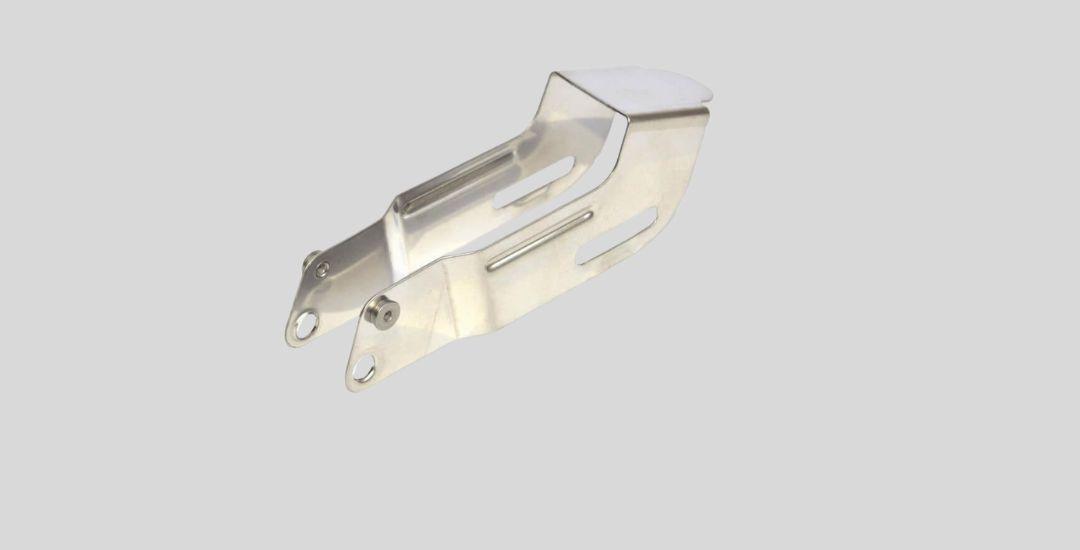
Once stainless steel parts are stamped, additional steps are often required to refine appearance, enhance durability, and verify compliance with specifications. Finishing processes improve surface quality and functionality, while quality control ensures that every part meets design and performance standards.
Surface Treatments
- Mechanical—Techniques such as vibratory polishing, sandblasting, brushing, or mirror polishing are used to improve texture and appearance.
- Chemical–Methods like passivation, electropolishing, coloring, or PVD coating enhance corrosion resistance and create decorative finishes.
- Special—Advanced options include antimicrobial, anti-fingerprint, or self-cleaning coatings, as well as laser texturing for unique surface designs.
Kalite Denetimi
- Dimensional—Tools such as calipers, CMMs, and optical scanners ensure accurate measurements and part consistency.
- Surface–Visual inspection, roughness testing, SEM, and 3D white-light interferometry are applied to detect imperfections and verify finish quality.
- Performance—Salt spray testing, hardness measurement, metallography, and tensile or bending tests confirm that parts can withstand their intended use conditions.
Together, these finishing and inspection steps close the loop in stainless steel stamping, ensuring parts not only look precise but also perform reliably in real-world applications.
6. Advanced Techniques and Common Issues
As stamping technology evolves, manufacturers are adopting advanced methods to achieve tighter tolerances and better surface quality. At the same time, certain challenges remain common in production, and addressing them effectively is key to maintaining efficiency and part reliability.
Precision Blanking
One advanced approach is precision blanking, which can achieve accuracy levels of IT7–8. By using a V-shaped hold-down, minimal die clearance (around 0.5% of the sheet thickness), and pure shearing, manufacturers can produce exceptionally clean edges. For example, 0.5 mm 304 stainless steel parts can reach tolerances of ±0.01 mm with a surface roughness of Ra 0.4–0.8 μm, making them ready for direct assembly without additional finishing.
Troubleshooting
| Sorun | Possible Cause | Çözüm |
| Burrs | Incorrect die clearance | Adjust clearance/re-sharpen |
| Cracks | Excessive deformation/small radius | Add preforming/increase radius |
| Wrinkles | Insufficient blank holding | Increase pressure/add draw beads |
| Dimensional instability | Die temperature/positioning | Cool die/improve alignment |
| Surface scratches | Die roughness/poor lubrication | Polish die/change lubricant |
By combining advanced techniques like precision blanking with careful troubleshooting, manufacturers can minimize defects and maintain consistent quality across large production runs.
Çözüm
Stainless steel stamping has come a long way—from basic forming operations to high-precision, sensor-driven processes. As demand for stronger, lighter, and more reliable components grows, the techniques outlined here will only continue to evolve.
Whether you’re designing consumer products, automotive parts, or medical devices, the real challenge is not just how to stamp stainless steel, but how to stamp it smarter. And when it comes to turning designs into reality, partnering with an experienced supplier like the Beska team can make all the difference.
Deeper into Our Resources
İçgörü dolu okumalar için, sizin için özel olarak önerilen makalelerden oluşan bir liste hazırladık:
- Alloy Steel VS Stainless Steel
- How to Weld Stainless Steel
- Titanium vs Stainless Steel
- Galvanized Steel VS Stainless Steel
- Sac Metal Şekillendirme
- What Is 17-4 Stainless Steel
 Turkish
 English
 Hebrew
 French
 Russian
 German
 Spanish
 Portuguese