


Vapor polishing is a precise finishing process for acrylic (PMMA, polymethyl methacrylate) that restores clarity and high gloss to the surface. By exposing acrylic to controlled high-temperature, high-pressure vapor, surface imperfections such as minor scratches or 3D printing layer lines can be smoothed out, resulting in a polished, transparent finish.
This technique is especially effective for 3D-printed acrylic parts from SLA or FDM processes, where surface texture and fine scratches can significantly affect appearance.
In the following sections, we’ll explore how vapor polishing works, its benefits, and practical considerations to achieve the best results.
1. How Vapor Polishing Works

Vapor polishing uses saturated vapor, typically at 120–180°C and 0.2–0.6 MPa, to soften the acrylic surface. The heat makes the outer layer slightly flexible (acrylic’s glass transition temperature is ~105°C), allowing surface molecules to flow and fill in micro scratches, burrs, or machining marks. Once cooled, the surface solidifies into a smooth, transparent layer.
Unlike melting, vapor polishing rearranges surface molecules under surface tension, creating a uniform finish. The process requires precise timing: too short leads to minimal improvement, while excessive exposure may cause flow marks or warping. This precise control is what sets vapor polishing apart from mechanical or chemical polishing.
Comparison with Other Polishing Methods
| Yöntem | Yüzey Kalitesi | Labor & Time | Best Use |
| Mekanik Parlatma | Good but may leave scratches | Labor-intensive | Simple shapes, low volume |
| Flame Polishing | High gloss | Skill-dependent | Edges, flat surfaces |
| Vapor Polishing | Smooth, uniform, clear | Efficient, repeatable | Complex shapes, medium to high volume |
Vapor polishing provides an isotropic surface, maintaining consistent material properties in all directions, which is essential for optical clarity. Mechanical polishing relies on abrasives and can leave fine scratches, while chemical methods are harder to control and less environmentally friendly.
2. The Vapor Polishing Process

Proper preparation, careful execution, and controlled cooling are all essential to achieve a flawless, high-gloss finish.
1. Pre-treatment
The first step is to prepare the acrylic surface for polishing:
- Surface cleaning: Remove dust, oils, or fingerprints with alcohol or a dedicated cleaner to prevent embedding contaminants during polishing.
- Light sanding: For deeper scratches or burrs, use fine sandpaper (800–2000 grit) to reduce surface roughness and create an even base for the vapor to act upon.
2. Polishing Operation
Once the surface is properly prepared, the actual vapor polishing can begin:
- Equipment setup: Adjust temperature and pressure according to part thickness, ensuring the steam output is stable and free of condensation.
- Part positioning: Secure acrylic pieces to prevent movement and guarantee uniform exposure.
- Polishing execution: Keep the steam nozzle 5–15mm from the surface and move evenly across the part. Adjust speed (10–30mm/s) and angle for edges or concave areas to ensure complete coverage.
3. Cooling and Post-treatment
After polishing, careful cooling and cleaning help preserve the quality of the finish:
- Natural cooling: Let parts cool gradually to avoid stress cracks or warping caused by sudden temperature changes.
- Secondary cleaning: Gently wipe the surface with a lint-free cloth and alcohol to remove any residual moisture or impurities.
3. Key Equipment of Vapor Polishing
Successful vapor polishing depends not only on technique but also on having the right equipment and tools.
- Vapor Polishing Machine: The core of the process, it includes a steam generator (electric or gas), an adjustable nozzle for directing the vapor, and pressure and temperature monitors to maintain consistent conditions.
- Auxiliary Tools: Essential supporting items include a sturdy workbench with clamps to secure parts, lint-free cloths for cleaning, suitable cleaning agents, and fine sandpaper for pre-treatment.
Equally important are the critical process variables. Steam temperature (typically 105–135°C), vapor saturation, exposure time (2–15 seconds), and cooling rate all influence the final finish. These parameters must be carefully adjusted based on the part’s thickness, geometry, and surface condition to achieve optimal clarity and gloss. Proper control ensures consistent results and minimizes the risk of defects such as warping or uneven polishing.
4. Advantages and Limitations of Vapor Polishing Acrylic

Vapor polishing offers clear benefits but also comes with specific challenges, so knowing what to expect can help achieve the best results.
Avantajları
- High optical clarity: Produces a finish comparable to injection-molded acrylic, enhancing transparency and visual appeal.
- Efficient for complex shapes: Able to reach areas that are difficult or impossible for mechanical polishing to access, including deep recesses and intricate contours.
- Removes micro-defects: Smooths out fine scratches, tool marks, and 3D printing layer lines, restoring a flawless surface.
Sınırlamalar
- Process sensitivity: The technique demands precise timing and experienced operators; even small deviations can affect the final quality.
- Edge rounding: Sharp corners or fine details may soften slightly, which may be undesirable for highly detailed parts.
- Potential stress cracking: Acrylic parts with pre-existing internal stress may develop crazing during heating, so careful material selection and handling are essential.
By weighing these advantages and limitations, you can decide whether vapor polishing is the most suitable finishing method for your acrylic components.
5. Applications of Vapor Polishing Acrylic Parts
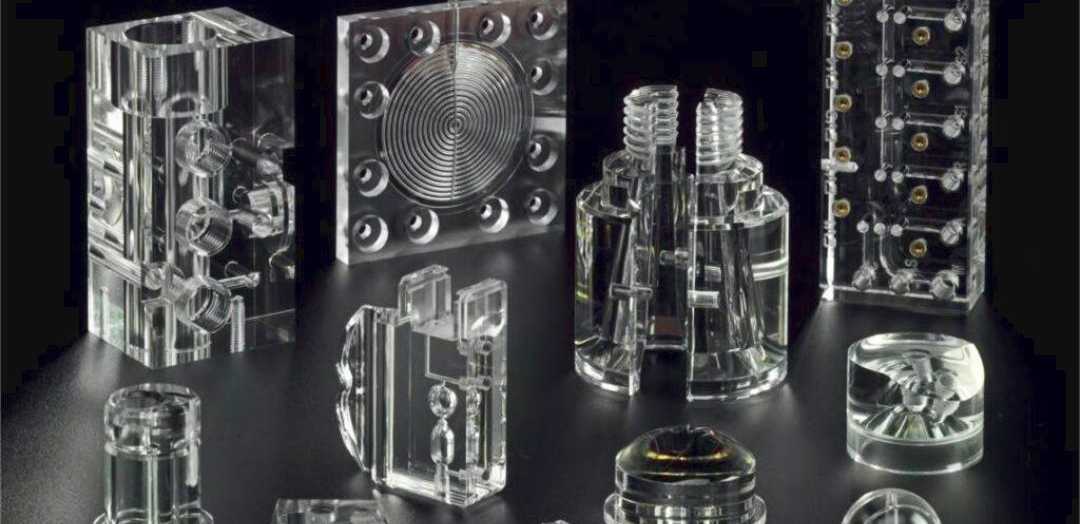
Vapor polishing is suitable for a range of acrylic components where clarity, smoothness, and visual quality are essential. Common applications include:
- Precision optics: Lenses, prisms, and light guides that require flawless surfaces to maintain optical performance.
- Transparent products: Display cases, lamp covers, and aquariums where high clarity and aesthetics are critical.
- Complex structures: Medical device housings and electronics panels, where intricate geometries make mechanical polishing challenging.
- High-gloss requirements: Any part needing smooth, consistent surfaces for both visual appeal and functional performance.
6. Sustainability and Market Advantage
Vapor polishing offers clear environmental and commercial benefits. Compared with solvent-based chemical polishing, it generates minimal VOC emissions, reduces worker exposure to hazardous chemicals, and relies on water-based systems with low energy consumption. This makes it a more sustainable choice for manufacturers aiming to meet stricter environmental standards.
In addition to its eco-friendliness, polished acrylic commands a premium in international markets. High-end clients often pay 30–50% more for parts with superior optical clarity. For manufacturers targeting premium markets in Europe, North America, and Asia, mastering vapor polishing can directly influence purchasing decisions, positioning your products as high-quality and professional.
7. Emerging Trends and Alternatives
Vapor polishing continues to evolve alongside technological advances, offering advantages over traditional finishing methods in both performance and efficiency. In advanced optics, manufacturers are achieving nano-level surface finishes for AR/VR waveguides and micro-lens arrays, surpassing what mechanical or flame polishing can reliably deliver. Medical devices benefit from highly polished microfluidic channels that reduce fluid resistance and improve measurement accuracy, while wearable technology achieves smoother surfaces that enhance both comfort and aesthetics.
At the same time, automation is transforming the process itself. AI-driven vapor polishing systems can monitor surface conditions in real time and adjust parameters for optimal results, enabling consistent quality for complex or high-value parts. While alternatives such as mechanical polishing, flame polishing, or transparent coatings may be used in certain situations, they generally require more manual effort, carry higher skill demands, or provide inferior optical quality compared with vapor polishing.
8. Our Approach to Vapor Polishing CNC Acrylic Parts

At Beska, vapor polishing is integrated directly with CNC işleme to achieve both precision and optical clarity. After each acrylic part is machined, we first inspect it for tool marks, fine scratches, and internal stress, ensuring only parts in optimal condition move forward. Parts with deeper machining marks are lightly sanded to create a smooth base for vapor polishing.
During polishing, we carefully adjust steam temperature, exposure time, and nozzle distance based on the part’s thickness and geometry. For complex features, such as sharp corners or deep recesses, we manipulate the nozzle angle and movement speed to ensure uniform gloss without rounding edges or causing deformation. This hands-on, parameter-driven approach ensures the acrylic surface flows just enough to fill micro-defects while preserving dimensional accuracy.
By combining precise machining with controlled vapor polishing, we produce components that not only meet strict dimensional tolerances but also achieve a high-gloss, optically clear finish, suitable for applications ranging from medical devices and lab equipment to premium display units.
Çözüm
Vapor polishing is more than just a finishing step. It’s a strategic way to enhance the value and performance of acrylic components. When combined with precise CNC machining, it ensures that parts not only look flawless but also maintain the exact specifications required for high-end applications.
If you are looking to achieve professional-grade acrylic surfaces for your products, consulting a supplier like the Beska team, who is experienced in both machining and vapor polishing can make all the difference.
Kaynaklarımıza Daha Derinlemesine Dalın
İçgörü dolu okumalar için, sizin için özel olarak önerilen makalelerden oluşan bir liste hazırladık:
 Turkish
 English
 Hebrew
 French
 Russian
 German
 Spanish
 Portuguese