
Custom Vacuum Casting Service
- No Expensive Metal Tooling
- ±0.2 mm Dimensional Accuracy
- 3–7 Day Turnaround

Beska – Meilleure qualité à prix compétitif.
Avec une expertise dans la fabrication de tôles et l'usinage CNC, nous sommes là.
Pourquoi choisir le moulage sous vide ?
Vacuum casting perfectly fills the gap between 3D printing and mass production injection molding. It is ideal when you need:
Small batch production
Economical for short runs from 5 to 200 parts without the high costs and delays of metal tooling. This makes it ideal for rapid prototypes, market tests, or limited production runs.
Rapid turnaround
Compared to plastic injection molding, vacuum casting can deliver parts within days rather than weeks, helping you accelerate your product development cycle.
Versatile material options
Choose from a wide range of polyurethane resins that closely mimic materials like ABS, polypropylene, and flexible rubber-like compounds, enabling you to tailor parts to specific mechanical and aesthetic needs.
Vacuum casting is a flexible and cost-effective solution across industries such as automotive, medical devices, and consumer electronics. It’s a reliable way to combine quality, speed, and affordability at every stage of your project.

Our Vacuum Casting Capabilities
To ensure your project meets the industry standards, we customize the vacuum casting parts tailored to your specific needs. Below is an overview of our key production parameters and service features that guarantee quality, precision, and fast turnaround:
| Capability | Spécification | Details/Notes |
| Taille maximale des pièces | Up to 800 mm | Suitable for large prototype and production parts |
| Typical Tolerance | ±0,2 mm | Ensures dimensional accuracy for fit and function |
| Mold Life | 15–25 shots | Dependent on geometry and material used |
| Options de matériaux | Rigid, flexible, transparent, rubber-like | Wide range mimicking ABS, PC, PP, TPU, etc. |
| Color Matching | Pantone, custom colors | Precise color replication available |
| Finitions de surface | Matte, gloss, texture, chrome plating, soft touch coating | Various finishes to suit industry needs |
| Volume de production | 5 to 100+ parts | Ideal for rapid prototyping and small batch production |
| Délai de mise en œuvre | 3 to 7 business days | Fast turnaround from order to delivery |
| Quality Documentation | Inspection reports, sample confirmation photos/videos, packaging records | Full traceability and customer transparency |
Vacuum Casting Process at Beska
At Beska, we have carefully optimized every step of the vacuum casting process to ensure that each part meets the highest standards of quality, precision, and finish:
1. Master Model Creation
Our skilled engineering team starts by producing a highly detailed master pattern, typically using SLA 3D printing or CNC machining. This master serves as the original model from which the silicone mold is made. We focus on achieving a smooth surface finish and accurate dimensions to guarantee the best possible reproduction.
2. Silicone Mold Fabrication
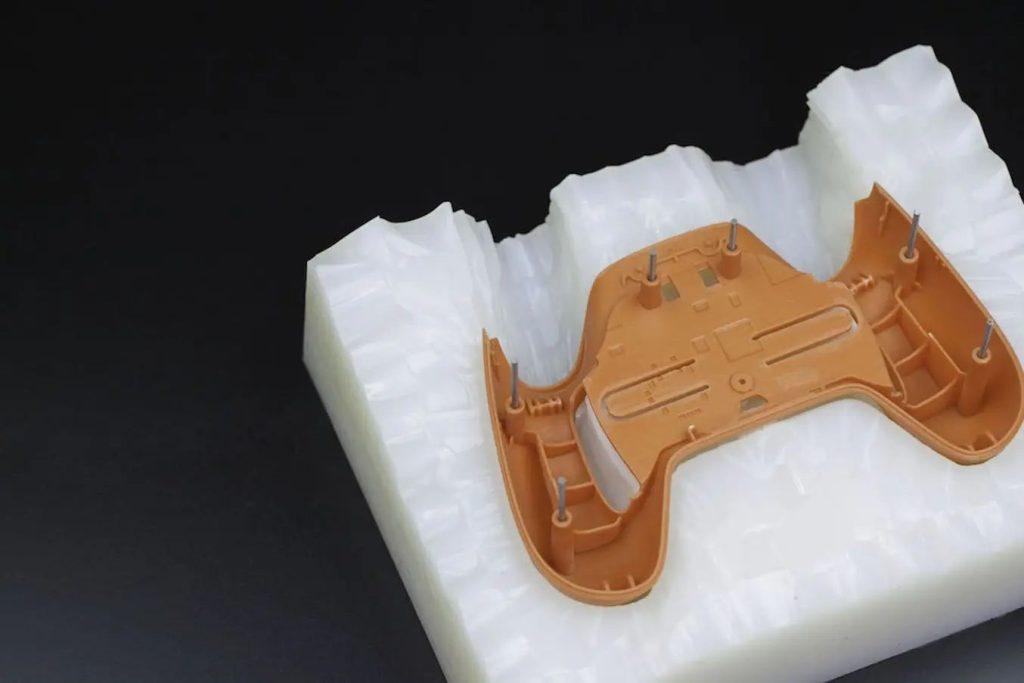
Next, we create flexible silicone molds by carefully pouring and curing liquid silicone rubber around the master model. These molds are durable and capable of producing multiple castings while preserving fine surface details and geometric accuracy.
3. Vacuum Resin Casting
Using a vacuum chamber, we pour high-quality polyurethane resin into the silicone mold. The vacuum environment eliminates air bubbles and ensures the resin completely fills the mold cavity, resulting in parts with excellent surface quality and dimensional accuracy.

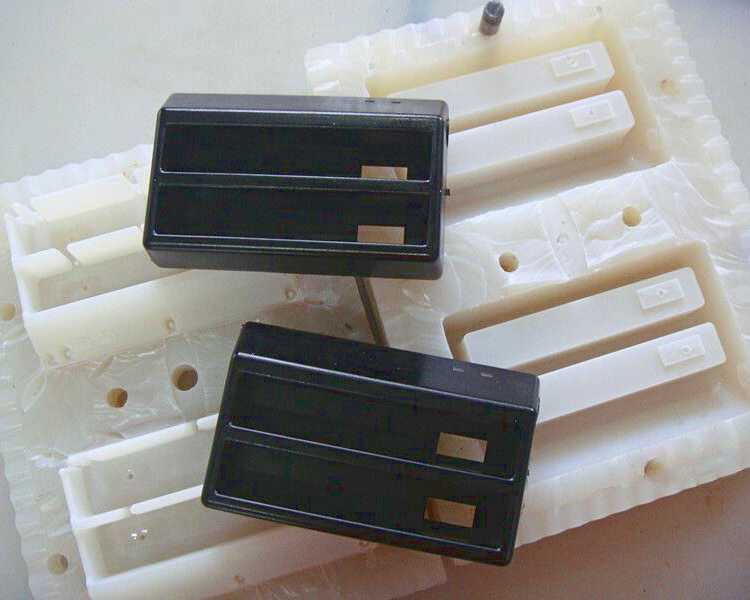
4. Curing & Demolding
The resin is rapidly cured under strictly controlled temperature conditions to solidify the parts. Once fully cured, parts are carefully removed from the mold, minimizing any risk of damage or deformation.
5. Post-Processing
To meet your exact aesthetic and functional needs, we offer a wide range of finishing options, including sanding, polishing, painting, plating, and soft-touch coatings. These post-processing steps ensure your parts not only function as intended but also have a professional, production-ready appearance.
We take pride in refining every step from the initial master model to the final finish. With our vacuum casting process, you get custom parts with consistent quality, great detail, and quick turnaround.
Matériaux applicables au service de moulage sous vide
At Beska, we offer a versatile range of polyurethane resins engineered to closely replicate the performance and look of various thermoplastics and elastomers used in production parts:
Rigid Materials
These mimic common engineering plastics like ABS, PC, or PP, providing excellent strength, rigidity, and durability. They deliver a smooth surface finish ideal for functional prototypes and parts that require structural integrity and visual appeal.
Flexible/Rubber-Like Materials
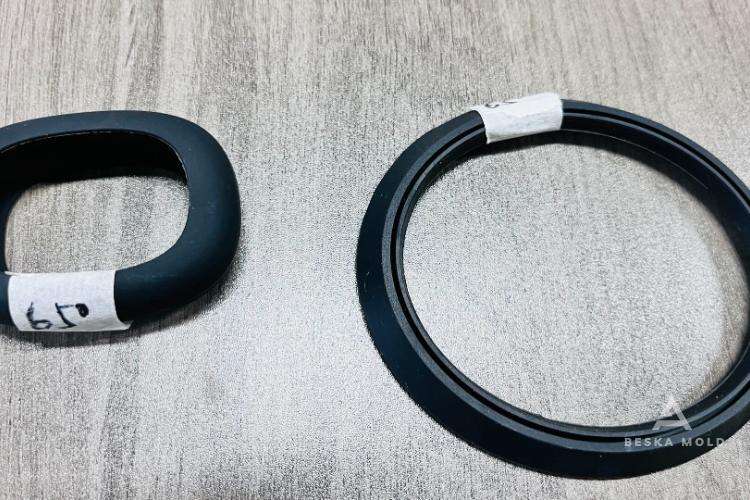
With Shore A hardness ranging from 30A (soft) to 90A (firm), these materials offer elasticity and impact resistance. Perfect for parts like gaskets, grips, and seals, they provide the flexibility needed for components that experience bending, compression, or repeated use.
Transparent & Translucent Resins
Our clear resins feature high light transmission and clarity, suitable for optical applications, light pipes, and display covers. These materials resist yellowing and can be polished or coated to enhance transparency.
Heat-Resistant Options
Designed to withstand temperatures up to 120°C, these resins maintain their mechanical properties and dimensional stability during functional testing of parts exposed to heat, such as engine components or electronic housings.
If you’re unsure which material best suits your project, our experienced materials specialists will help you select the optimal resin to balance performance, appearance, and cost.
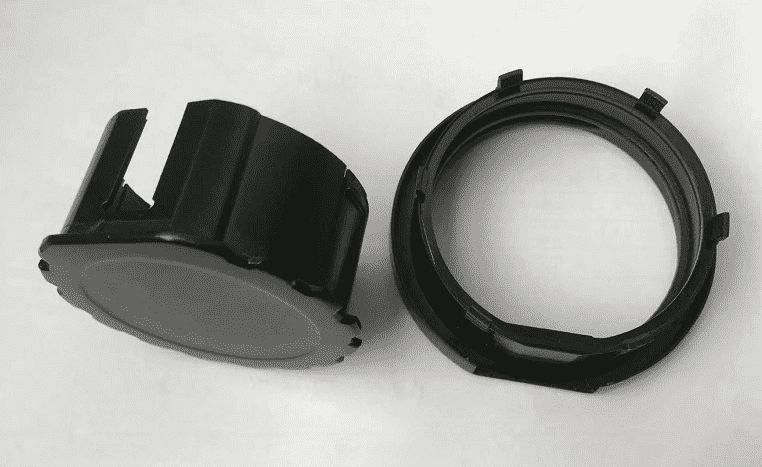

PP (polypropylène)

Perfectionnez votre Coulée sous vide Besoins avec nous
Caractéristiques du moulage sous vide
Moulage à basse pression
Itération rapide
Pièces sans bulles
Définition de la coulée sous vide
Avantages du moulage sous vide
Vacuum casting offers a range of advantages that make it a smart choice for prototyping and low-volume production. Here are some of the key benefits:
Déchets et impact environnemental minimaux
Faible investissement initial
Délai d'exécution rapide
Types de services de moulage sous vide
Coulée de polyuréthane
Le moulage de polyuréthane utilise des résines polyuréthanes pour créer des pièces reproduisant les propriétés de matériaux tels que le caoutchouc, le plastique ou même le métal. Ce type de moulage permet de produire des composants présentant différents niveaux de dureté et de flexibilité. Beska excelle dans le moulage de polyuréthane pour proposer des solutions durables et polyvalentes pour diverses applications.
Coulée à haute température
La coulée à haute température est utilisée pour les matériaux nécessitant des températures de durcissement élevées, comme certains polymères et métaux avancés. Ce type de coulée sous vide est essentiel pour la production de pièces devant résister à des conditions extrêmes et à de fortes contraintes. L'avantage principal est qu'elle garantit l'intégrité et les performances des composants finaux dans des environnements exigeants.
Coulée de moules en silicone
Le moulage sous vide consiste à créer un moule en silicone souple et durable à partir d'un modèle maître. Ce type de moulage sous vide est plébiscité pour sa capacité à capturer les détails les plus fins et à produire des répliques de haute qualité. Les moules en silicone sont réutilisables, ce qui les rend économiques pour les petites et moyennes séries.
Applications du moulage sous vide
Vacuum casting is a versatile manufacturing method used across multiple industries. Here are some of the most common application areas:
Dispositifs médicaux
Électronique grand public
Équipement industriel
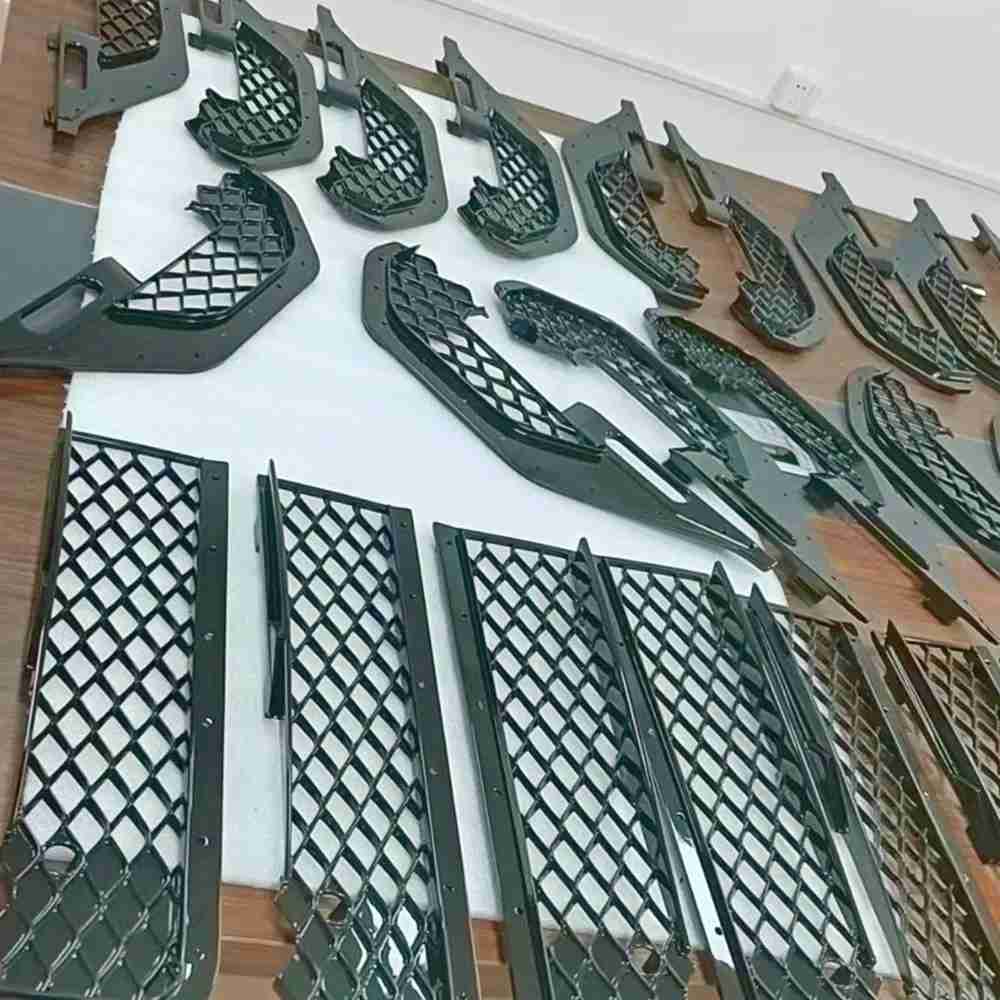
3 conseils à prendre en compte lors du choix d'un service de moulage sous vide
#1 peut prendre en charge des tolérances de ± 0,05 mm
#2 Délai de livraison de 15 à 20 jours
#3 Expert en logiciels CATIA ou AutoCAD
FAQ
It depends on the quantity and application of your project. For very low volumes (1–2 parts), 3D printing may be more economical. But if you need 5 to 100 parts with better surface quality and material simulation, vacuum casting is often more cost-effective per part and delivers superior cosmetic results. Plus, it supports custom colors and finishes that most 3D printing processes cannot.
Pricing depends on part size, material, surface finish, and quantity. Generally:
- Silicone mold: $100–$500+
- Per part: $15–$100+
It’s significantly cheaper than injection molding for small runs since there’s no expensive metal tooling.
Vacuum casting is commonly used to produce:
- Product housings and casings (electronics, medical devices)
- Wearable prototypes (grips, buttons, enclosures)
- Automotive trim parts (interior panels, light guides)
- Industrial equipment components
- Design prototypes that need presentation -quality surface finish
The alternatives to vacuum casting include:
- 3D Printing—great for early prototyping but limited in material realism and finish
- CNC Machining—good for tight tolerances but expensive for complex geometries or soft materials
Injection Molding—best for mass production but costly upfront tooling
Vacuum casting sits perfectly in between: fast, flexible, and low-cost for short runs.
While not as precise as CNC machining, vacuum casting provides reliable repeatability and typical tolerances of ±0.2mm, which are sufficient for the majority of prototyping and validation needs.
Plongez plus profondément dans nos ressources
Looking for more diverse plastic fabrication service options? Browse through our handpicked selections:
Vous n'avez toujours pas trouvé ce que vous cherchez ? N'hésitez pas à Contactez-nousNous sommes disponibles 24 heures sur 24 pour vous aider.
 French
 English
 Hebrew
 Turkish
 Russian
 German
 Spanish
 Portuguese