


Brushed and anodized aluminum may look similar in some applications, but they serve different purposes. Brushing creates a directional surface texture through mechanical abrasion, while anodisation forms an integral oxide layer that improves corrosion resistance, wear resistance, and surface durability.
This difference affects more than appearance. Finish selection can influence dimensional tolerance, electrical contact, color consistency, manufacturing sequence, and cost. For CNC-machined and sheet metal parts, these factors should be considered before the finish is specified on the drawing.
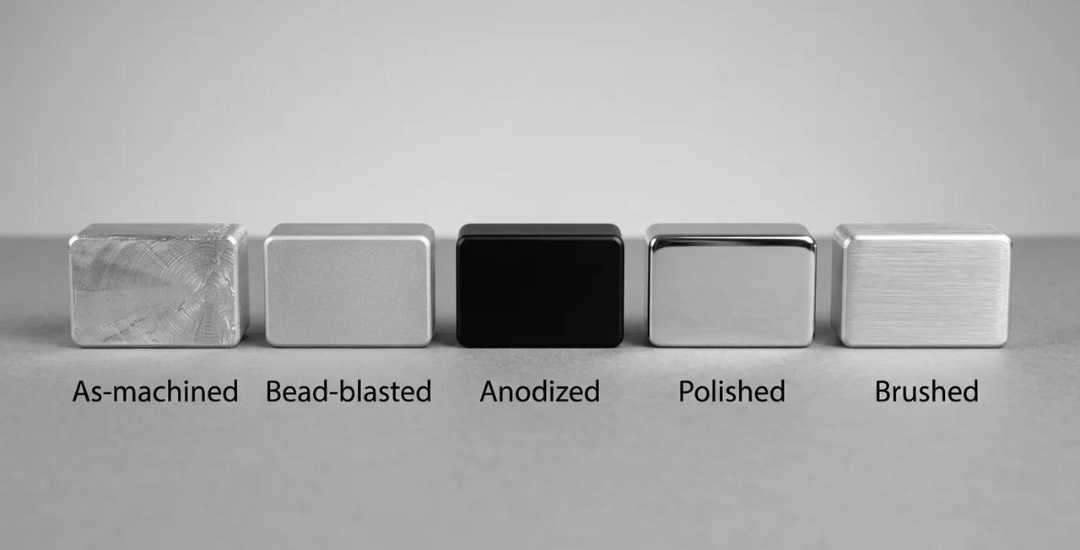
1. What Is Brushed Aluminum?
Brushed aluminum is aluminium that has been mechanically finished to create a directional surface pattern. Abrasive media moves across the surface in a controlled direction, leaving fine parallel lines and a matte or satin appearance.
The final texture depends on the abrasive, pressure, feed direction, and original surface condition. Brushing can reduce the visual impact of minor machining marks and surface irregularities, but deeper scratches or dents may still remain visible. Grain direction also needs to stay consistent across cosmetic parts.
Brushing mainly changes appearance rather than surface performance. It does not add the hardness, wear resistance, or corrosion protection associated with anodizing. When both texture and protection are required, the aluminum can be brushed first and anodized afterward while retaining the directional grain.
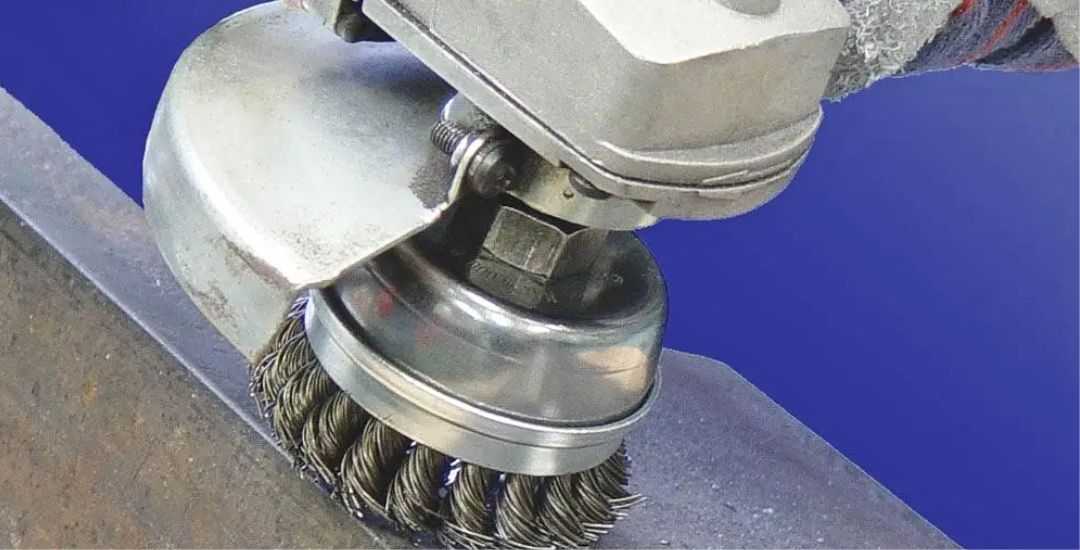
2. What Is Anodized Aluminum?
Anodized aluminum is produced through an electrochemical process that converts the metal surface into a controlled aluminum oxide layer. The part is placed in an electrolyte bath and connected as the anode, allowing the oxide layer to grow from the aluminum itself rather than being deposited like paint or plating.
Because the anodic layer is integral to the substrate, it provides better corrosion and wear resistance while retaining the underlying surface texture. The process can also affect dimensions, color, and electrical contact, which is why anodizing requirements should be considered before final machining and assembly.
Under MIL-PRF-8625, three commonly referenced anodizing types are:
| Type | Electrolyte | Representative Thickness | Typical Use |
| Type I | Chromic acid | Thin coating | Applications requiring minimal dimensional change |
| Type II | Sulfuric acid | Typically moderate thickness | General-purpose and decorative anodizing |
| Type III | Sulfuric acid hardcoat process | Typically thicker | Higher wear and abrasion resistance |
Type II is widely used for commercial aluminum parts because the porous oxide can be dyed before sealing. Black and other decorative colors are common, while clear anodizing retains a more natural aluminum appearance.

3. Wear Resistance: Anodized vs Brushed Aluminum
Anodizing creates a hard aluminum oxide surface that provides much better resistance to scratching and abrasive wear than bare aluminum. The actual hardness depends on the alloy, anodizing process, coating thickness, and sealing conditions, with Type III hardcoat generally providing greater wear resistance than Type II anodizing.
Brushing does not create a comparable protective layer. It changes the surface texture and can make light scratches or handling marks less noticeable, but the wear resistance still depends mainly on the aluminum substrate itself.
Anodized surfaces can still be damaged if abrasion or a deep scratch penetrates the oxide layer and exposes the underlying aluminum. For parts exposed to repeated sliding contact or heavier abrasive wear, Type III hardcoat is usually more appropriate than decorative Type II anodizing.
4. Cost Differences Between Anodized and Brushed Aluminum
Brushing usually has a lower upfront processing cost because it is mainly a mechanical finishing operation. Anodizing involves more process steps, while brushed anodized aluminum combines both treatments.
| Finish | Main Cost Drivers | Considérations relatives aux coûts |
| Brushed aluminum | Abrasive media, machine time, labor | Cost rises when large cosmetic surfaces require tight grain consistency or more manual finishing |
| Clear anodized aluminum | Surface preparation, anodizing, rinsing, sealing | Part size, coating requirements, racking, and batch quantity affect pricing |
| Colored anodized aluminum | Anodizing, dyeing, sealing, color control | Color matching and cosmetic consistency can add processing requirements |
| Type III hardcoat | Thicker anodic layer, tighter process control | Typically requires more processing than standard Type II anodizing |
| Brushed + anodized | Brushing plus anodizing | Both texture and protective finishing steps are included in the final cost |
The lowest-cost finish is therefore not always the simplest decision. If the part only needs a directional cosmetic texture, brushing may be sufficient. If corrosion resistance, wear resistance, or a more durable surface is required, the additional anodizing cost may be justified.
5. Typical Applications of Anodized and Brushed Aluminum
The two finishes often appear in similar products, but they are usually selected for different reasons. Anodizing is more common when the surface needs protection or color, while brushing is mainly used to control appearance and texture.
Where Anodized Aluminum Is Commonly Used
Anodized aluminum is widely used for electronic housings, control panels, machine components, architectural aluminum, and other parts exposed to regular handling or environmental conditions.
The finish is especially useful when the part needs better wear and corrosion resistance without covering the natural metallic appearance of aluminum. Type II anodizing is often used for decorative or colored components, while Type III hardcoat is more suitable for surfaces exposed to greater wear.
Cosmetic anodized parts also require attention to color consistency. Alloy, surface preparation, and processing conditions can all influence the final appearance, particularly when several parts must visually match.
Where Brushed Aluminum Is Commonly Used
Brushed aluminum is commonly found on appliance panels, equipment covers, instrument panels, interior trim, and other visible surfaces where a clean directional texture is part of the product design.
The grain reduces reflectivity and can make minor surface marks less noticeable, but consistency is important. Grain direction should remain aligned across adjacent panels, and visible surfaces need careful handling because scratches running across the grain can stand out clearly.
When these parts also need greater surface protection, the brushed texture can be created first and followed by anodizing.
6. When to Choose Anodized, Brushed, or Brushed + Anodized
Brushing and anodizing solve different surface requirements, so the choice usually depends on what the part actually needs from the finish.
When Appearance Is the Main Priority
Brushed aluminum works well when the goal is a clean directional grain, matte appearance, or lower reflectivity. It is commonly used on visible housings, panels, covers, and trim where surface consistency matters more than added wear protection.
If the part will be exposed to repeated abrasion, moisture, or a more demanding environment, brushing alone may not provide enough surface protection.
When the Surface Needs More Protection
Anodizing is better suited to parts that need improved wear resistance, corrosion resistance, or a controlled color finish. Type II is commonly used for decorative and general-purpose parts, while Type III hardcoat is chosen when abrasion resistance is more important.
Tight fits, threaded features, and electrical contact areas need additional attention because anodizing can affect dimensions and create an electrically insulating surface.
When Both Texture and Protection Matter
Some parts need the appearance of brushed aluminum but also need better durability. In that case, the surface is usually brushed first and anodized afterward.
The brushed grain remains visible beneath the anodic layer, so the part keeps its directional texture while gaining the added protection of anodizing.
Conclusion
Anodizing and brushing should not be treated as interchangeable aluminum finishes. Brushing controls surface texture and appearance, while anodizing changes the surface itself to improve wear and corrosion resistance. When both requirements matter, the two processes can be combined, but the added processing should be justified by the part’s actual functional and cosmetic needs.
Beska supports CNC machining, sheet metal fabrication, and surface finishing for custom aluminum parts. Finishing requirements can be reviewed together with material, tolerances, cosmetic surfaces, and assembly features before production so that the selected finish works with the part rather than creating problems afterward.
 French
 English
 Hebrew
 Turkish
 Russian
 German
 Spanish
 Portuguese