

giriiş
Why Nickel Plating Was Chosen
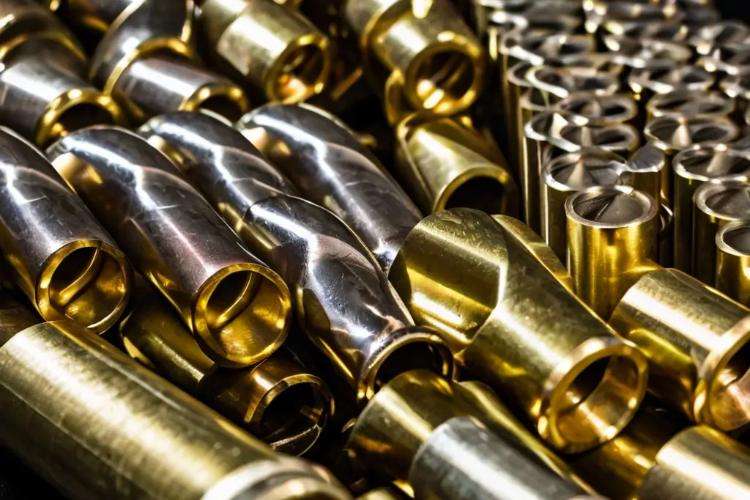
Nickel plating is a top choice for finishing brass CNC-machined parts, especially when both performance and appearance are critical. Here’s why it’s a preferred process—key benefits of nickel plating for brass CNC parts:
Corrosion Protection: Nickel acts as a robust barrier against moisture and chemicals, shielding the brass substrate and extending component life. This is particularly valuable in harsh environments like industrial or marine settings.
Gelişmiş Dayanıklılık: Nickel plating boosts surface hardness (up to 500 HV), minimizing wear on high-contact areas such as threads. This added resilience ensures longevity for parts subjected to frequent movement or heavy loads.
Premium Aesthetics: A smooth, mirror-like nickel finish elevates visual quality, meeting the demands of luxury branding and consumer markets where appearance is non-negotiable.
Functional Advantages: Nickel’s low resistivity ensures reliable electrical conductivity, making it ideal for connectors. Additionally, its low-friction properties aid in smooth assembly, offering subtle self-lubrication benefits.
Challenges in Nickel Plating Brass CNC-Turned Parts
Nickel plating offers key advantages for brass CNC parts, but it comes with specific challenges that require careful management. Here’s how we addressed the main issues:
Dimensional Inaccuracy from Coating Thickness
Nickel plating adds a layer of material (typically 5–25 µm per side), which can affect critical dimensions like threads, causing assembly issues.
- Root Cause: The machining program didn’t account for plating buildup, resulting in undersized threads post-plating.
- Solution: We adjusted machining dimensions by undersizing critical features by ~15µm, guided by plating simulations. Early client collaboration helped finalize optimal coating thickness to maintain tolerances.
Inconsistent Coating Distribution
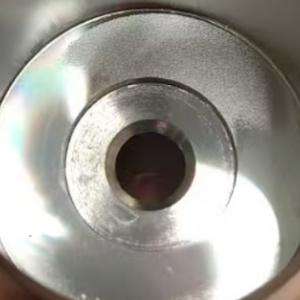
Uneven nickel deposition created “shadow zones” with patchy coverage and visible brass spots.
- Root Cause: Standard fixtures and poor part orientation caused uneven current distribution.
- Solution: We designed custom titanium fixtures, angling parts at 30° and optimizing contact points. This ensured uniform current flow and consistent nickel layering.

Peeling or Flaking of the Nickel Layer
Weak adhesion led to peeling, often due to improper bath settings or surface prep.
- Root Cause: Overly high bath temperatures (60°C instead of 50°C) and insufficient surface prep caused loose nickel deposits.
- Solution: We enhanced pre-treatment with ultrasonic cleaning and acid activation to remove oils and oxides. Parameter trials confirmed the ideal time and temperature (15 minutes at 50°C) for strong adhesion.
While nickel plating delivers significant benefits, achieving flawless results on brass CNC parts demands precise control over thickness, adhesion, and process parameters.
Step-by-Step Improvement Process
To tackle these challenges, we refined our process with a multi-step approach:
1. Pre-Machining Adjustments:
- Adjust machining tolerances to factor in nickel plating.
- Use CAD simulations to anticipate coating distribution.
- Implement special undersizing tools in the CNC turning process to pre-compensate for typical plating buildup (e.g., 15µm for a 10µm nickel layer).
2. Optimizing Plating Parameters:
- Run trial plating on sacrificial brass samples to fine-tune bath parameters.
- Perform adhesion tests (ASTM B571 tape tests) and accelerated corrosion tests (96-hour salt spray) to validate parameters before full production.
- Adjust bath temperature and plating time based on systematic trials to ensure layer uniformity and adhesion.

3. Fixture Design and Process Control:
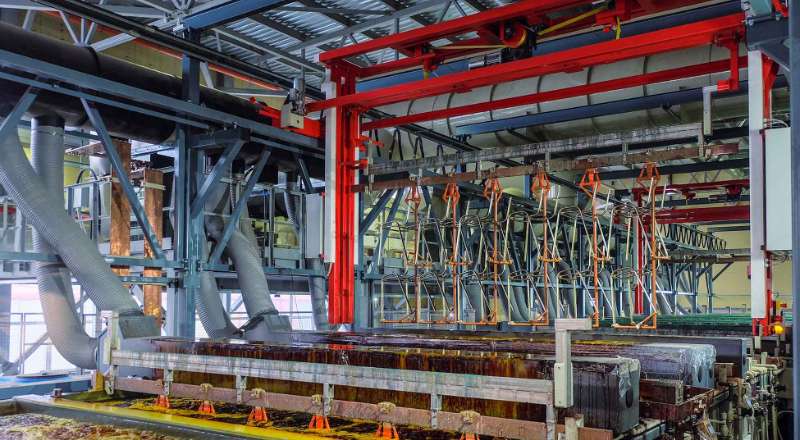
- Design custom racks with dedicated contact points (e.g., titanium fixtures with gold-plated contacts) to ensure uniform electrolyte exposure.
- Optimize part orientation by angling parts at a specific degree (e.g., 30°) to reduce shading and air pockets.
- Monitor bath conditions (pH, temperature) in real-time to promptly correct deviations during production.
This integrated approach has streamlined production, minimized rework, and enhanced overall quality, ensuring the final product meets client specifications with minimal post-plating defects.
Results
Our process enhancements delivered substantial improvements in quality and efficiency. After revisions, the 500 brass parts showed:
- Consistent Coating Thickness: Achieved an average nickel layer of 12µm with a variation kept within ±1µm, preserving proper thread dimensions.
- No Flaking: All parts passed rigorous thermal cycling tests (from -20°C to 85°C) without any nickel peeling.
- Improved Fit and Function: Threads fully met ISO 965-1 standards, preventing assembly issues and ensuring reliable performance.
- Client Satisfaction: The client reported a 98% drop in field returns and praised the finish’s uniformity and durability. The rejection rate fell from 15% to under 2%.
These results highlight the effectiveness of our improved process and emphasize the critical role of proactive material and process control in achieving high-quality CNC machining outcomes.
Çözüm
Nickel plating is a powerful technique for enhancing CNC-turned brass components, boosting corrosion resistance, hardness, and aesthetics. However, challenges like dimensional changes, uneven coatings, and adhesion issues can arise. By adjusting machining tolerances upfront, optimizing plating parameters through trial runs, and using custom fixturing, we turned these challenges into a reliable process that consistently delivers high-quality parts.
For engineers facing similar hurdles, collaboration between machinists and plating specialists is critical. Sharing best practices and refining processes with data-driven insights can turn potential issues into competitive advantages.
If you’re looking to refine your nickel plating process or need support with CNC turning, Ulaşmak for a consultation. The Beska takımı is willing to assist your project with accuracy and quality. Let’s turn your technical challenges into high-performance solutions.
Our Capability
At Beska, we are aimed at delivering high-quaity parts to clients worldwide. What we can do is beyond rapid protoytping. Let’s check out more details about what we can do for you.


 Turkish
 English
 Hebrew
 French
 Russian
 German
 Spanish
 Portuguese