[gtranslate]

Surface Finishing

Reliable Post Processing at Beska

Powder Coating

Powder Coating

It is a popular surface finishing for machining metal parts, offering durability, a sleek look, cost – effectiveness, and environmental friendliness.

anodizing-finish

Anodizing

It involves immersing the metal in an electrolyte solution and applying an electric current, which forms a protective oxide layer on the metal parts.

nickel-plating-finish

Nickel Plating

It’s a widely used process that involves depositing a thin layer of nickel onto a substrate, enhancing the durability, corrosion resistance, and aesthetic appeal of various machining metal components.

sandblasting-finish

Sandblasting

It’s a surface finishing process that uses high – pressure air to propel abrasive sand particles onto a surface, effectively removing impurities, smoothing rough edges, and creating a uniform texture.

chrome-plating-finish

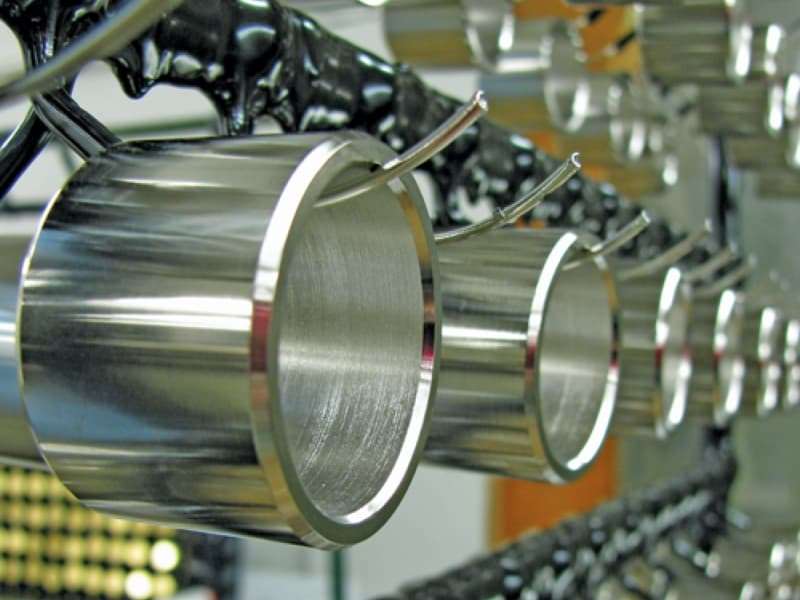
Chrome Plating

It’s a process that coats a metal surface, typically steel, with a thin layer of chromium through electroplating. This coating improves the metal part’s durability, corrosion resistance, and aesthetic appeal.

heat-treatment-finish

Heat Treatment

The process involves heating the material to a specific temperature, holding it at that temperature for a certain period, and then cooling it at a controlled rate.

galvanizing-finish

Galvanizing

The zinc coating acts as a sacrificial barrier, preventing the underlying metal from coming into contact with corrosive elements in the environment.

alodine finish

Alodine

It’s a chemical conversion coating process used on aluminum and its alloys to enhance corrosion resistance and paint adhesion. 
polishing-finish

Polishing

It’s a finishing process that smooths and shines metal surfaces, enhancing their appearance and often improving their resistance to corrosion. 

electroplating-finish

Electroplating

It is widely used for various applications such as corrosion protection, wear resistance, decoration, and dimensional build-up.
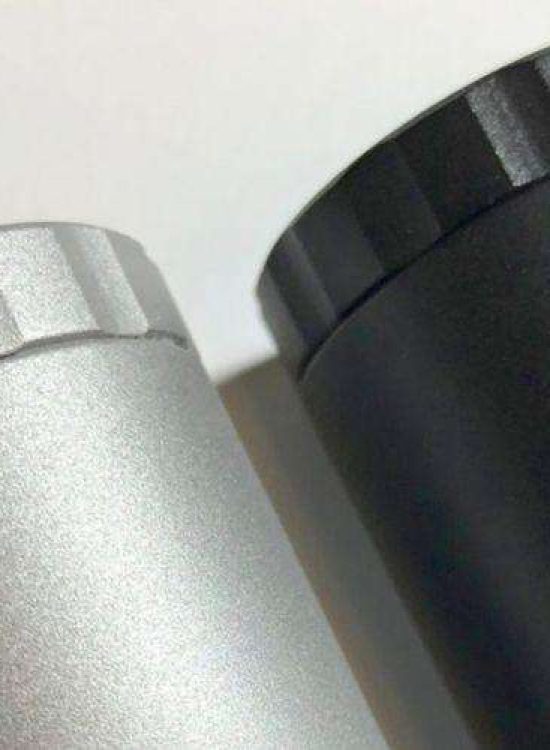
Bead Blasting

It’s a surface finishing process that uses high-pressure abrasive beads to remove surface imperfections of the metal parts and create a uniform matte finish.
brushing-finish

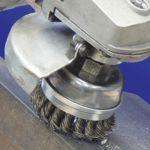
Brushing

It’s a surface finishing process that creates a textured surface on metal parts using an abrasive brush.

Perfect Your Parts' Surface Finish

Do you need to do custom CNC machining or sheet metal project? Worried about surface finishing issues? We got you covered. At Beska, we apply a variety of surface finishing options for your parts. Each technique is tailored to make your parts perfect. 

What’s your detailed requirement on material, cost, texture, and final applications? Our engineers would give you a satisfying solution on your project. Or if you need any engineering guidance, we’d like to assist you anytime.

Are you ready to start a new project? We’re fully-prepared to perfect your project. 

cnc-turning-parts-custom-surface-finishing

Perfect Your Surface Finishing Needs with Us

Features of Surface Finishing

Surface finishing methods like chemical vapor deposition and passivation significantly boost a metal’s resistance to harsh chemicals. This enhanced resistance prevents deterioration from acidic or basic environments, assuring the longevity of parts exposed to these conditions. With these advanced techniques, durability and reliability are enhanced, as these are qualities that Beska integrates into its operations.
Processes such as hard coating and thermal spraying increase the surface hardness of metal parts. This enhancement makes them more resistant to scratches, dents, and wear, which is particularly beneficial for high-traffic or impact-prone applications.
Surface finishing methods such as chemical vapor deposition and passivation improve a metal’s resistance to chemicals. This feature prevents deterioration from acidic or basic environments, assuring the longevity of parts used in chemical processing or exposure scenarios. Here’s why that’s important, enduring chemical resistance protects the integrity of the metal, reducing the need for frequent maintenance.
sandblasting

Surface Finishing Definition

Surface finishing is the process of altering the surface of a metal to enhance its appearance, durability, or functionality. This step in manufacturing assures that metal surfaces can withstand environmental and operational stresses while maintaining their aesthetic appeal. No doubt about it, that this is a standard that Beska consistently achieves through its specialized techniques.

Benefits of Surface Finishing

Improved Product Aesthetics

Surface finishing significantly enhances the appearance of metal surfaces, making them more appealing. Techniques such as buffing and painting are employed to achieve high-quality finishes. Beska employs these methods to make sure its finished surfaces stand out for their quality and appeal.
 

Extended Lifespan

Surface finishing significantly enhances a product’s durability by protecting against wear, rust, and other forms of damage. This increases the lifespan of the items. Allow me to explain, for instance, coating steel with zinc, a process known as galvanizing, effectively prevents rust. This is particularly crucial for outdoor structures, ensuring they remain robust and functional over extended periods.
 

Enhanced Surface Properties

Treatments, such as anodizing, improve the natural surface properties, for instance, its hardness and resistance to chemicals. This makes them perfect for medical devices and industrial equipment, and assures that devices can handle heavy use and exposure without wearing down.

Application of Surface Finishing

Electroplating for Stainless steel
Electronics Industry
Devices like smartphones and laptops often receive surface finishing treatments, like anodizing aluminum, to make them look good and last longer. This process helps the devices resist wear and tear while keeping them attractive. Companies such as Beska specialize in these techniques, which helps improve how much customers like and trust such products.
 
Medical Devices
The medical sector relies on surface finishing to ensure that instruments and implants are biocompatible and resistant to bacterial growth. Processes like passivation remove surface contaminants from stainless steel, enhancing the safety and longevity of medical devices.
 
Automotive Industry
Surface finishing is crucial in the automotive industry, where both functionality and aesthetics are important. Techniques like chrome plating enhance visual appeal and corrosion resistance, as I finally understood that it’s crucial for vehicle parts to be exposed to harsh conditions.

3 Tips to Consider When Choosing Surface Finishing Services

#1 Assess Material Compatibility

When selecting surface finishing services, it’s crucial to consider the compatibility of the finishing process with your metal type. Some treatments work best with specific metals, enhancing their properties without compromising structural integrity. With its expertise in surface finishing, Beska employs that automotive components meet the highest standards of quality and durability.
 

#2 Define the End Use

Understanding the final application of your finished product helps in choosing the right surface finish. As a matter of fact, whether it’s for aesthetic appeal, environmental resistance, or wear and tear, the end use should guide your selection process.
 

#3 Consider Production Volume

The scale of your production affects which surface finishing technique is most cost-effective and efficient. High-volume projects might benefit from faster, less labor-intensive methods, while low-volume or specialized items may require more detailed and careful finishing.

Dive Deeper Into Our Resources

For some insightful reads, we’ve curated a list of recommended articles just for you:

Still haven’t found what you’re looking for? Don’t hesitate to contact us. We’re available around the clock to assist you.

en_USEnglish