


Are you trying to decide between alloy steel and stainless steel for your next project? Choosing the right material is critical for business owners who value durability, efficiency, and cost-effectiveness.
As material scientists with years of expertise, we’re here to break down the essential distinctions between these 2 types of steel.
Alloy steel is prized for its strength and adaptability, while stainless steel stands out for its corrosion resistance and sleek appearance. These key differences make each type unique for specific uses.
In this guide, you’ll explore what Alloy Steel and Stainless Steel are, the differences in their composition and properties, their unique applications, and key factors to consider when choosing between them.
Let’s jump in!
1. What Is Alloy Steel?
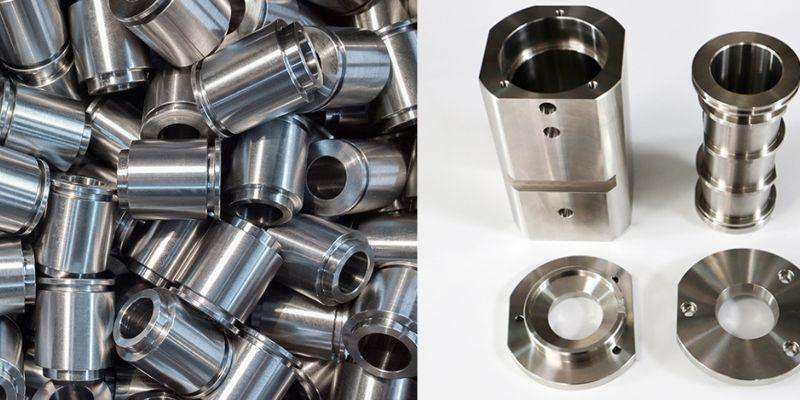
Alloy steel is a type of steel with additional elements beyond the carbon and iron found in standard carbon steel. These elements improve properties such as strength, wear resistance, toughness, and hardness. At Beska, these materials are processed and finished with precision to meet the demanding requirements of various industries. They are categorized into 2 groups:
Low Alloy Steel
- Contains up to 5% alloying elements by total material weight.
- Adds better mechanical properties and corrosion resistance compared to base steel.
- Common elements include:
- Nickel (Ni)
- Chromium (Cr)
- Vanadium (V)
- Copper (Cu)
- Tungsten (W)
- Boron (B)
High Alloy Steel
- Contains more than 5% alloying elements by total material weight.
- Provides significant mechanical and corrosion-resistant enhancements.
- Example: Stainless steel (requires at least 12% Chromium depending on grade).
Common Alloying Elements and Their Effects
More than 20 elements can improve steel’s performance. Below are the most commonly used ones:
- Manganese: Reduces brittleness and improves malleability when combined with small amounts of phosphorus and sulfur.
- Chromium:
- Low percentages (0.5%–2%): Increases hardness.
- High percentages (4%–18%): Boosts corrosion resistance.
- Vanadium: At 0.15%, improves strength, heat resistance, and grain structure. Paired with Chromium, it increases hardness without sacrificing formability.
- Nickel:
- Around 5%: Increases strength.
- Over 12%: Improves corrosion resistance.
- Tungsten: Enhances structural integrity, heat resistance, and melting point.
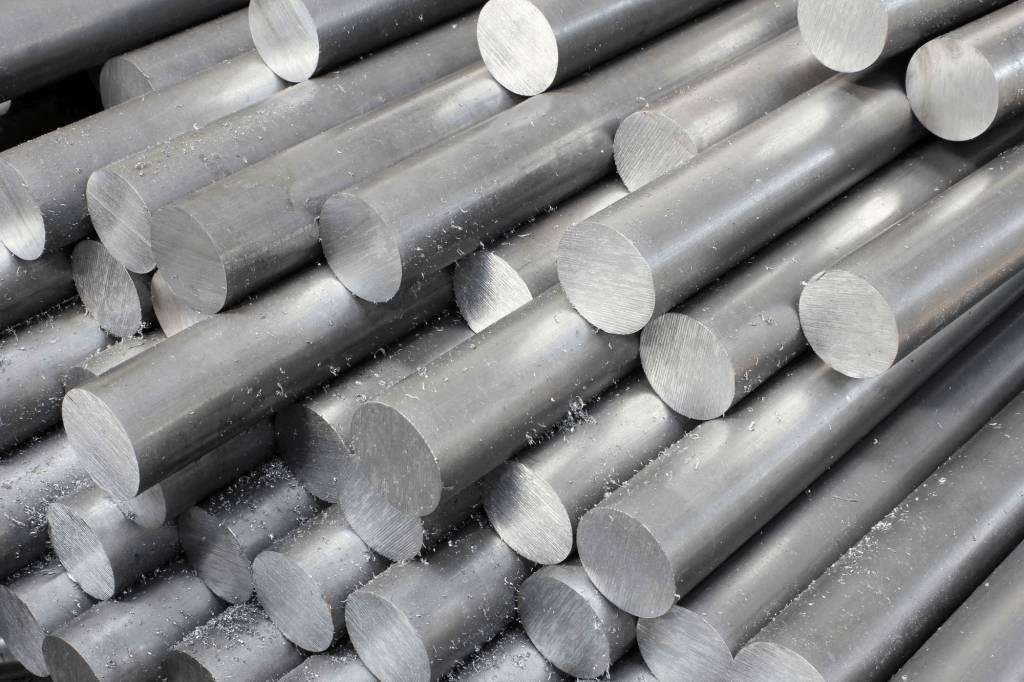
Alloy steel is highly versatile, making it suitable for applications where standard carbon steel falls short. Industries that demand durability, heat resistance, or corrosion resistance often rely on alloy steel for superior performance.
2. What Is Stainless Steel?
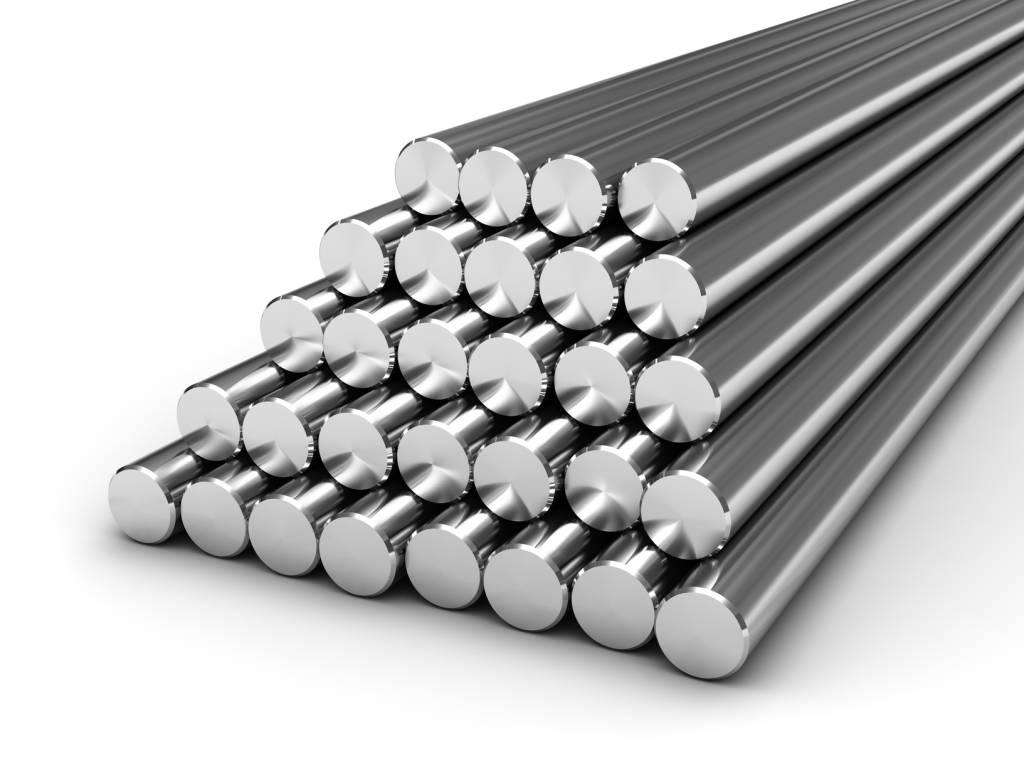
Stainless steel is a durable alloy made by adding chromium, which forms a protective chromium oxide layer, providing excellent corrosion resistance. This property, combined with strength and versatility, makes stainless steel a key material for various industries. Stainless steel can be grouped into 5 main categories based on composition and characteristics:
- Austenitic Stainless Steel
- Contains 17–25% chromium and 8–20% nickel.
- Known for corrosion resistance, ductility, and weldability.
- Examples: 304/304L, 316/316L.
- Ferritic Stainless Steel
- Composed of 10.5–18% chromium.
- Provides moderate corrosion resistance and magnetic properties.
- Examples: 409, 430.
- Martensitic Stainless Steel
- Contains 12–16% chromium and higher carbon content.
- Heat-treatable for improved strength and wear resistance.
- Examples: 410, 420.
- Duplex Stainless Steel
- Balances the properties of austenitic and ferritic stainless steel.
- High strength and excellent resistance to stress corrosion cracking.
- Examples: 2205, S32750.
- Precipitation-Hardening Stainless Steel
- Incorporates elements like aluminum and copper for exceptional strength and ductility.
- Examples: 17-4PH, 15-5PH.
Common Alloying Elements and Their Effects
- Chromium: Enhances corrosion resistance by forming a protective oxide layer.
- Nickel: Improves ductility, toughness, and temperature resistance.
- Molybdenum: Increases resistance to pitting and crevice corrosion in chloride-rich environments.
- Manganese: Add toughness and aids in deoxidation during steel production.
- Carbon: Enhances hardness and strength but requires careful balancing to avoid brittleness.
Stainless steel’s corrosion resistance, strength, and adaptability make it indispensable in applications requiring durability and long-term reliability.
3. Comparing Alloy and Stainless Steel: Key Differences
Choosing between Alloy Steel and Stainless Steel depends on their unique properties and applications. Let’s take a look at the table below to understand their key differences:
| Property | Alloy Steel | Stainless Steel |
| Strength and Durability | Exceptional strength; ideal for construction and heavy-duty equipment. | Moderate strength; best for environments needing corrosion resistance, like food processing equipment. |
| Resistance to Wear | High resistance to wear and abrasion; great for tools and machinery. | Lower wear resistance; excels in corrosion-critical environments like marine applications. |
| Formability | Easier to shape and mold into intricate designs; ideal for precision engineering. | Less malleable; good for applications requiring a balance of strength and environmental resistance. |
| Corrosion Resistance | Requires coatings or treatments for corrosion protection. | Naturally corrosion-resistant due to chromium content, forming a protective oxide layer. |
| Cost | More affordable, typically ranging from $600 to $800 per ton; suitable for budget-sensitive projects. | Higher initial cost, ranging from $800 to $2,500 per ton depending on the grade; lower lifecycle cost due to minimal maintenance and high durability. |
| Lifecycle Costs | May require frequent maintenance or replacement due to lower corrosion resistance, leading to higher long-term costs. | Minimal maintenance required; longer lifespan and recyclability reduce overall lifecycle cost. |
| Environmental Impact | Higher environmental footprint due to shorter lifespan and less efficient recycling. | Fully recyclable and highly durable; supports eco-conscious practices by minimizing waste and material usage. |
| Advantages | – Lower cost – Easier to machine – High heat resistance – Better strength-to-weight balance. | – Superior corrosion resistance – Enhanced aesthetic appeal – Low maintenance – Fully recyclable. |
| Fabrication Treatment | Highly machinable; suitable for intricate designs and detailed components. | Austenitic grades are highly formable; martensitic grades are less so but better for simple, durable shapes. |
4. 4 Tips to Consider When Choosing Between Alloy Steel or Stainless Steel
Choosing the best steel involves several key factors that influence its suitability for different projects. Below are important considerations to guide the selection process and help determine the right material for the job.
#1 Functional Requirements
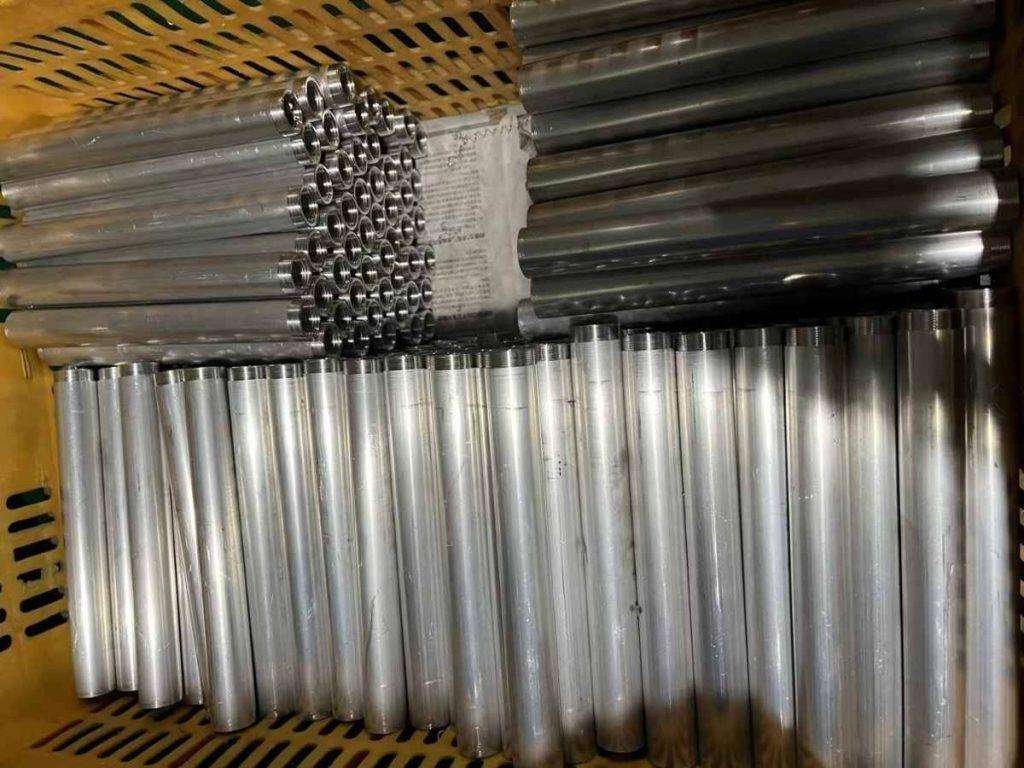
Look for how the material will perform in its intended application. Stainless steel works best in wet or salty environments because it resists corrosion. For structural projects that demand high strength and durability, alloy steel is a more suitable choice.
#2 Budget Considerations
Project costs are an important factor when deciding on the type of steel to use. Alloy steel is generally more budget-friendly than stainless steel due to its simpler production process. At Beska, we help businesses make informed decisions by offering materials and services that balance cost-efficiency with long-term performance.
#3 Aesthetic Preferences
Consider the visual appeal of the material for your project. For example, stainless steel’s polished and modern finish makes it a top choice for architectural or design-focused applications. Certain grades containing molybdenum also perform well in outdoor settings, maintaining their sleek appearance in challenging conditions.
#4 Maintenance and Lifespan
Think about how much maintenance the material will need over time. For example, alloy steel offers excellent strength and durability but may require protective coatings or treatments to reduce maintenance in certain environments. The focus on precision and quality allows alloy steel to be processed and finished to enhance its performance and longevity in demanding applications.
Conclusion
Choosing between alloy steel and stainless steel depends on the specific requirements of a project. Alloy steel offers strength, cost advantages, and versatility in applications requiring high durability, while stainless steel excels in corrosion resistance, longevity, and aesthetic appeal. Understanding these key differences ensures that both materials can be effectively utilized in their respective roles.
We hope this guide has helped clarify the differences between alloy steel and stainless steel. If you’re looking for dependable metal casting services, Beska is here to help. We specialize in delivering high-quality metal prototyping and manufacturing solutions tailored to your project needs. Contact us today to see how we can bring your vision to life.
 English
 Hebrew
 Turkish
 French
 Russian
 German
 Spanish
 Portuguese