


In metalworking, electro galvanized sheets are highly valued for their excellent corrosion resistance and surface quality. But how do you choose the right thickness for your application?
Whether you’re designing a new product, optimizing your manufacturing process, or managing procurement, knowing the electro galvanized sheet thickness chart is critical. The thickness of these sheets plays a crucial role in performance, production costs, and application suitability, affecting everything from durability to ease of fabrication.
In this article, we’ll walk you through the key factors that influence electro galvanized sheet thickness, the international standards to follow, and how selecting the right thickness can help you optimize costs and improve the overall quality of your products. Read on to discover how to make the best material choices.
1. What is Electro Galvanized Sheet?


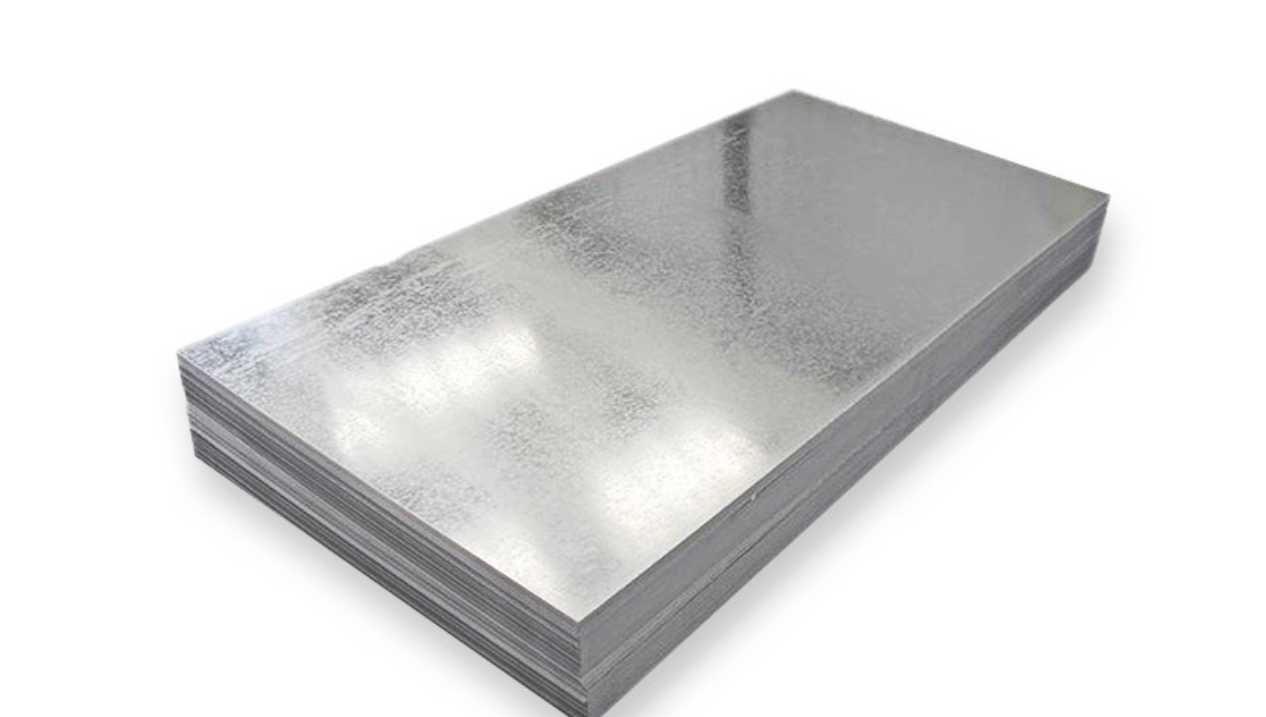
Electro galvanized sheet is a composite material consisting of three main layers:
- Base Steel: Typically cold-rolled, with thickness ranging from 0.3mm to 3.0mm.
- Galvanized Zinc Layer: A layer of zinc deposited through electroplating, with thickness typically between 3 and 20 μm.
- Surface Treatment Layer: This may include passivation, oil coating, or special coatings for added protection.
Electroplating is a process where zinc is deposited on the steel sheet via electrochemical reduction. Compared to hot-dip galvanizing, electro galvanizing is done at room temperature, providing uniform zinc coverage and superior surface quality.
Key Features of Electro Galvanized Sheets:
- Uniform Coating: The zinc layer is even and controllable, ensuring high surface smoothness.
- Precision: The process allows for tight control over zinc layer thickness, with minimal tolerance.
- Superior Surface Quality: It provides excellent preparation for post-treatment, like painting.
- Environmental Efficiency: Modern electroplating techniques adhere to stricter environmental standards.
Electro galvanized sheets combine precise zinc coating, excellent surface quality, and environmental efficiency, making them ideal for industries that require durable, high-quality materials.
2. Electro Galvanized Sheet Thickness Parameters
Electro galvanized sheet thickness is determined by two primary factors:
- Base Sheet Thickness: This affects the mechanical strength, load-bearing capacity, and flexibility of the material. Thicker base sheets provide greater strength and are suitable for applications that require higher structural integrity. On the other hand, thinner sheets offer greater flexibility and are easier to form and shape.
- Zinc Layer Thickness: This directly impacts the sheet’s corrosion resistance and durability. A thicker zinc layer provides better protection against environmental factors such as moisture, salt, and pollution, making it ideal for outdoor or harsh industrial environments.
These two thickness parameters are typically represented as “base thickness / zinc layer thickness,” e.g., 0.8/10 for 0.8mm base thickness and a 10 μm zinc coating. It’s important to note that standard thickness ranges for electro galvanized sheets are defined by international standards, which help ensure quality and consistency across different markets.
3. International Electro Galvanizing Sheet Thickness Chart
Below is a summary of the key standards and their specifications:
| Standard | Thickness Range | Tolerance | Key Features |
| ISO 1460:2020 | 0.2 mm to 3.0mm | Tight tolerances, with minimal variation | Introduces “Thickness Uniformity Index” to minimize variation within a sheet. |
| ASTM A924/A924M-22 | 0.2 mm to 3.0 mm | Commercial grade: ±0.06mm, Precision grade: ±0.03mm | Categorizes electro galvanized sheets into Commercial and Precision grades. |
| JIS Standards | 0.15 mm to 3.0mm | Varies by product, usually ±0.05mm to ±0.10mm | Common thickness range for production is 0.3mm to 2.0mm. |
| DIN Standards | 0.2 mm to 3.0mm | ±0.02 mm (for high precision) | Emphasizes high precision, particularly for cold-rolled sheets. |
4. Chinese National Standard Chart for Electro Galvanized Sheets
In China, the GB/T 15675-2008 and GB/T 2518-2008 standards define the thickness tolerances for electro galvanized sheets. These standards are widely used by manufacturers in China to ensure high-quality production. The thickness is typically represented by the base sheet thickness rather than the combined thickness with the zinc layer, which is expressed as zinc weight (g/m²). Here’s a summary:
| Standard | Thickness Range | Tolerance | Zinc Layer Measurement | Key Features |
| GB/T 15675-2008 | 0.3 mm to 2.5mm | ±0.04 mm (for sheets ≤1.0mm), ±0.05mm (for sheets >1.0mm) | Zinc weight (g/m²) | Focuses on base sheet thickness; widely used in Chinese manufacturing. |
| GB/T 2518-2008 | 0.3 mm to 3.0mm | ±0.04 mm (for sheets ≤1.0mm), ±0.06mm (for sheets >1.0mm) | Zinc weight (g/m²) | Covers a wider thickness range, with slight variations in tolerances. |
5. Factors Influencing Zinc Coating Thickness
The thickness of the zinc coating largely determines the sheet’s corrosion resistance. In environments with varying corrosion risks, it’s essential to select the right zinc coating thickness:
- Normal Environments (Dry, Indoor): A zinc layer thickness of 3-8 μm is generally sufficient. These conditions do not expose the material to harsh elements, making thinner zinc layers appropriate for cost-efficient production.
- Moderate Corrosion Environments (Urban Areas, General Industrial Settings): For areas with moderate exposure to pollutants, humidity, or pollutants in the air, a zinc thickness of 8-12 μm is recommended. This provides a balance between corrosion protection and cost-effectiveness.
- Harsh Environments (Coastal Areas, Chemical Plants, High Humidity): In environments with high corrosion risks (e.g., coastal areas with saltwater exposure or chemical plants), a thicker zinc layer of 12-20 μm is necessary to ensure the sheet’s longevity and resistance to aggressive elements.
Proper selection of the zinc layer thickness not only improves durability but also reduces overall production costs by avoiding over-design.
6. Tips on Optimizing Thickness for Cost Efficiency
When selecting electro galvanized sheet thickness, manufacturers often balance performance with cost efficiency. Here are a few strategies:
1. Standardized Thickness: Choosing standard thicknesses (e.g., 0.5mm, 0.8mm, 1.0mm) reduces procurement costs and shortens delivery times.
2. Thickness Gradient Design: For certain products, different parts may require different thicknesses. For example, a cabinet manufacturer may use 1.5mm thick sheets for the frame and 1.0mm thick sheets for the door panels, optimizing both performance and cost.
3. Optimized Zinc Coating: Adjusting the zinc coating thickness, such as increasing from 80 g/m² to 100 g/m², while slightly reducing base sheet thickness, can reduce overall costs while maintaining adequate corrosion resistance.
7. Application Examples by Industry
Different industries require specific electro galvanized sheet thicknesses based on their unique performance needs. Here are a few examples across various sectors:
Home Appliances
For products like refrigerators, the recommended thickness is 0.6-0.8mm, which balances bending ability and material weight. Some manufacturers have found that reducing thickness from 0.8mm to 0.7mm cuts material costs by 12% without affecting structural integrity.
Automotive
Automotive body panels, like hoods, require 0.7-0.9mm thick electro galvanized sheets to balance lightweight and dent resistance. However, for structural parts like impact beams, sheets as thick as 1.5-2.0mm are needed for higher tensile strength.
Construction
Outdoor signage frameworks typically use 1.2-1.5mm thick sheets, while indoor ceiling grids require a lighter 0.5-0.7mm thickness for ease of installation.

Conclusion
The electro galvanized sheet thickness chart is an essential guide, connecting material performance with manufacturing processes and application needs. Whether choosing thin sheets for precision electronics or thicker ones for structural components, each thickness decision balances durability, processing requirements, and cost efficiency. Selecting the right thickness can enhance product quality and reduce manufacturing costs.
To make the best choice, you can contact a reliable supplier like Beska, who can provide expert advice and quality materials tailored to your needs, ensuring optimal performance at the right cost.
FAQ
1. What is the ideal thickness for electro galvanized sheets?
The ideal thickness depends on your final application. For light-duty applications like home appliances, sheets between 0.6mm and 0.8mm are common. For structural components in automotive or construction, thicker sheets like 1.2mm to 2.0mm may be required.
2. How does the zinc coating thickness affect performance?
A thicker zinc coating provides better corrosion resistance, making it suitable for harsher environments. Typically, 3-8 μm is sufficient for indoor use, while 12-20 μm is recommended for coastal or industrial settings.
3. What standards should I consider when selecting electro galvanized sheets?
You should refer to international standards such as ISO, ASTM, JIS, and DIN, as well as Chinese National Standards like GB/T 15675-2008 and GB/T 2518-2008, to ensure the material meets quality and tolerance requirements.
4. How can I optimize electro galvanized sheet thickness for cost efficiency?
Strategies include standardizing thicknesses (e.g., 0.5mm, 0.8mm), using a gradient design for different parts, and adjusting the zinc coating thickness to balance durability and cost.
Deeper into Our Resources
For some insightful reads, we’ve curated a list of recommended articles just for you:
 English
 Hebrew
 Turkish
 French
 Russian
 German
 Spanish
 Portuguese