


In engineering design and component manufacturing, alloy steel and aluminum are two popular metals, each excelling in different areas. Alloy steel is prized for its exceptional strength and wear resistance. Aluminum, on the other hand, is widely chosen for its lightweight nature and excellent machinability.
In the automotive industry, these materials play critical but distinct roles. Alloy steel often forms the backbone of structural and safety-critical parts, while aluminum is increasingly used to reduce vehicle weight and improve fuel efficiency, especially in electric and hybrid models.
This article explores the key differences between alloy steel and aluminum across various performance factors, processing methods, and applications to guide you toward the material best suited for your manufacturing needs.
1. ¿Qué es el acero aleado?
 Alloy steel is a category of steel enhanced with alloying elements such as chromium (Cr), nickel (Ni), molybdenum (Mo), and manganese. These additions significantly improve its mechanical performance compared to standard carbon steel.
Key Mechanical Properties
One of the defining characteristics of alloy steel is its high tensile strength. It also offers excellent hardness, wear resistance, and toughness, making it suitable for demanding structural and mechanical applications. Certain types of alloy steel perform well under high temperatures, which is why they are often used in pressure vessels, automotive parts, and aerospace components.
Limitaciones
Despite its strength, alloy steel has notable drawbacks. It is relatively heavy due to its density and is more prone to corrosion if not adequately protected. To address this, surface treatments such as galvanization, painting, or plating are commonly applied—especially in outdoor or high-humidity environments.
Common Types of Alloy Steel
Depending on the composition and alloying content, alloy steels are typically categorized into:
- Low alloy steel, which offers a good balance of strength and ductility
- High-strength low-alloy (HSLA) steel, optimized for structural load-bearing applications
- Tool steel, designed for hardness and wear resistance under repeated mechanical stress
When evaluating the mechanical properties of alloy steel, especially for high-load or high-temperature environments, it remains a dependable and well-established choice.
2. What Is Aluminum?
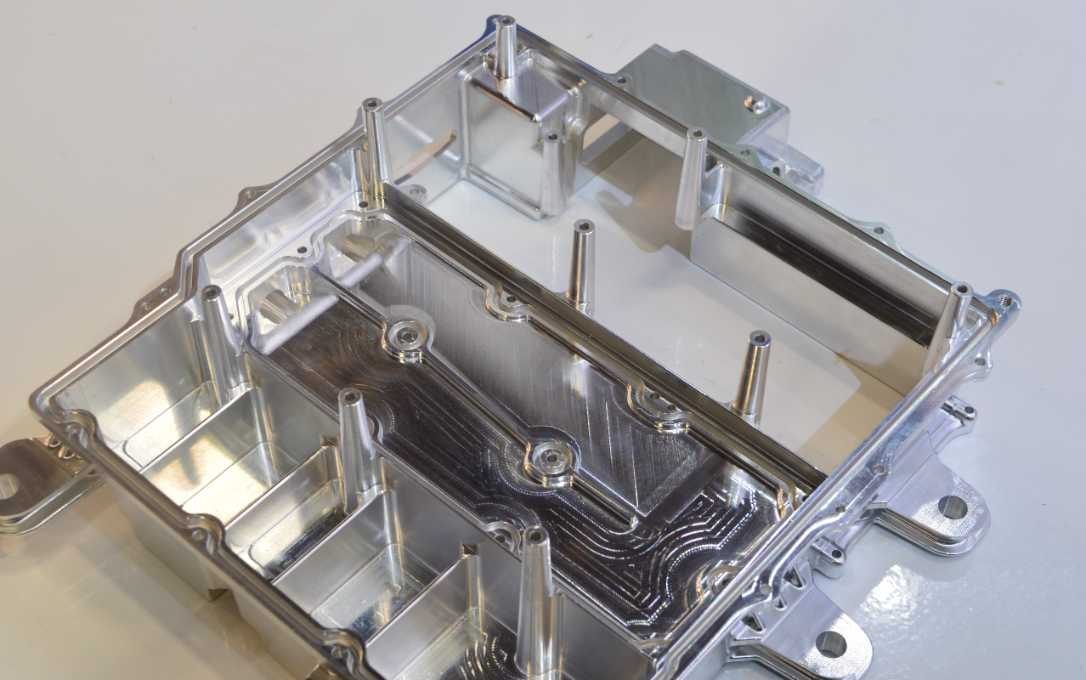
Aluminum is a widely used non-ferrous metal valued for its lightweight nature, corrosion resistance, and excellent thermal and electrical conductivity.
Key Properties of Aluminum
Aluminum’s low density makes it ideal for applications where weight reduction is critical, such as electric vehicles and aircraft structures. It also resists oxidation naturally due to a protective oxide layer, which enhances its corrosion resistance in most environments. Additionally, aluminum offers high thermal conductivity, making it suitable for components like heat sinks and battery enclosures.
Tipos de aleaciones de aluminio
Aluminum alloys are classified into several series, each with distinct properties:
- 6000 series (e.g., 6061, 6063): Excellent balance of strength, corrosion resistance, and formability
- 5000 series (e.g., 5052): High corrosion resistance and good weldability, often used in marine and automotive applications
- 7000 series (e.g., 7075): High strength-to-weight ratio, commonly used in aerospace and performance-critical parts
These alloys vary based on the primary alloying elements, such as magnesium, silicon, or zinc, influencing mechanical performance and processing behavior.
Limitations of Aluminum
While aluminum offers many benefits, it is generally softer and less strong than alloy steel. It also has a higher thermal expansion coefficient, which can be a concern in precision assemblies exposed to heat. In addition, its surface is more susceptible to scratches and dents, which may affect visual or structural integrity in some designs.
3. Comparison Table:Alloy Steel VS Aluminum
This table highlights the main performance characteristics that often influence material selection in engineering and applications:
| Propiedad | Acero aleado | Aluminio |
| Densidad | ~7.8 g/cm³ | ~2.7 g/cm³ |
| Fuerza de fluencia | High (250–1300 MPa, depending on grade) | Moderate (50–500 MPa, depending on alloy) |
| Resistencia a la corrosión | Low – usually requires plating or coating | High – due to natural oxide layer |
| Maquinabilidad | Moderate to Difficult | Easy to Excellent |
| Conductividad térmica | Lower (~15–50 W/m·K) | High (~120–235 W/m·K) |
| Soldabilidad | Varies – some grades are hard to weld | Generally good |
| Cost (per kg) | Moderado a alto | Typically lower |
| Aplicaciones típicas | Gears, shafts, cutting tools | Housings, structural frames, enclosures |
In many industries, alloy steel ensures durability in structural and safety-critical parts, while aluminum drives efficiency and lightweight innovation.
4. Processing of Alloy Steel and Aluminum
Each material demands specific techniques and considerations during fabrication.
Tratamiento térmico
Alloy steel often requires heat treatment to enhance its mechanical properties. Processes such as quenching, tempering, and annealing are used to increase strength, toughness, and wear resistance. These treatments are essential to prepare the material for demanding applications and can significantly affect machinability and durability.
Aluminum alloys may undergo heat treatments like solution aging to improve strength, but these effects are generally less dramatic than in steel. Many aluminum grades rely more on their natural ductility and formability rather than heat treatment to achieve desired properties.
Mecanizado CNC
Machining alloy steel is more challenging due to its high hardness and strength. It typically requires carbide tooling, slower cutting speeds, and proper coolant application to avoid excessive tool wear and maintain precision.
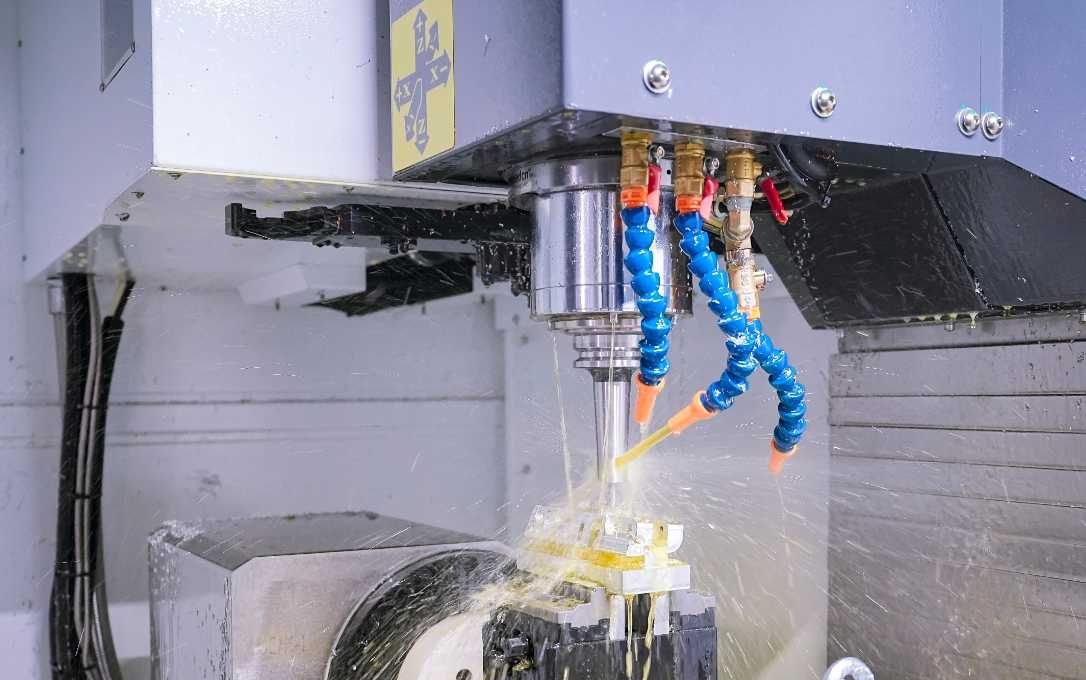
Aluminum’s softness and excellent machinability allow faster cutting speeds and longer tool life. This makes aluminum ideal for complex, precision parts where efficiency and surface finish are important.
Soldadura
Welding alloy steel can be complex. Certain grades need preheating and post-weld heat treatment to prevent cracking in the heat-affected zone. The welding process demands skillful control of temperature and filler material selection to maintain material integrity.
Aluminum’s high thermal conductivity and surface oxide layer complicate welding. Specialized methods such as TIG and MIG welding are used but require careful surface preparation and heat management to avoid distortion and weak joints.
Acabado de superficies
Because alloy steel is prone to corrosion, surface treatments like galvanizing, painting, or plating are common to protect parts from environmental damage.
Aluminum naturally forms a corrosion-resistant oxide layer, but anodizing and powder coating are popular finishing methods that enhance both durability and aesthetics, especially in industries like electronics and architecture.
Processing alloy steel generally demands more careful control and higher energy input, while aluminum offers easier fabrication but with trade-offs in strength.
5. Applications in industries: Alloy Steel VS Aluminum
Aluminum’s lightweight and corrosion resistance make it a top choice in industries like aerospace and electronics, while alloy steel’s superior strength ensures its use in heavy-duty automotive and structural applications. Let’s look closer at the applications in industries:
Industria automotriz
- Battery Enclosures: Aluminum is preferred for its lightweight nature and excellent thermal conductivity, which helps with heat dissipation in electric vehicle battery packs.
- Control Arms & Suspension: Alloy steel is favored in components like control arms and suspension systems where high strength and fatigue resistance are critical for safety and durability.

Industria aeroespacial
- Fuselage and Panels: Aluminum dominates aerospace exteriors due to its favorable strength-to-weight ratio and natural corrosion resistance, enabling lighter aircraft designs and improved fuel efficiency.
- Engine Components: Alloy steel is commonly used in engine parts and other high-stress components that must withstand extreme temperatures and mechanical loads.
Electronics & 3C Products
- Device Housings and Frames: Aluminum alloys such as 6061 and 5052 provide a good balance of strength, lightweight, and aesthetic appeal, making them ideal for smartphones, laptops, and other consumer electronics.
- Internal Structural Parts: Alloy steel often serves in internal supports and brackets, offering rigidity and long-term durability in compact assemblies.
Arquitectura
- Curtain Walls and Window Frames: Aluminum is widely used for exterior building elements because of its corrosion resistance, ease of finishing, and ability to maintain appearance over time.
- Load-Bearing Frames: Alloy steel supports structural frameworks requiring high load capacity and toughness, such as beams and columns in large buildings.
6. Cost Consideration: Alloy Steel VS Aluminum
When evaluating alloy steel vs aluminum, understanding cost differences requires looking beyond just raw material prices.
Raw Material Price and Density
Aluminum typically costs around $2.00 to $2.50 per kilogram, while alloy steel ranges from $0.80 to $1.20 per kilogram. Although aluminum is more expensive per kilogram, its density is about one-third that of alloy steel (2.7 g/cm³ vs 7.8 g/cm³), meaning less material is needed for the same volume or structural size. This often balances initial material costs in lightweight designs.
Machining and Fabrication Costs
Machining alloy steel is more resource-intensive due to its hardness, requiring slower cutting speeds and frequent tool changes. Tool wear rates for alloy steel can be 2–3 times higher than for aluminum, increasing both tooling and labor costs. Heat treatment processes, such as quenching and tempering, add further time and expense to alloy steel fabrication.
In contrast, aluminum’s excellent machinability reduces cycle times and tooling costs. Fabrication methods like extrusion and casting are also more energy-efficient for aluminum, which can lower overall processing expenses.
Surface Treatment and Maintenance
Alloy steel often requires additional corrosion protection like galvanizing or painting, raising surface finishing costs and long-term maintenance.
Aluminum benefits from a natural oxide layer, providing inherent corrosion resistance that minimizes coating needs and maintenance over its lifecycle.
Lifecycle Cost Efficiency
Considering factors like corrosion resistance, recyclability, and weight savings, aluminum may offer lower total lifecycle costs in applications where these advantages are critical—especially in automotive and aerospace sectors focused on fuel efficiency and durability. Alloy steel remains cost-effective when mechanical strength and wear resistance are prioritized, despite higher processing costs.
7. Automotive Case Study: Alloy Steel vs Aluminum
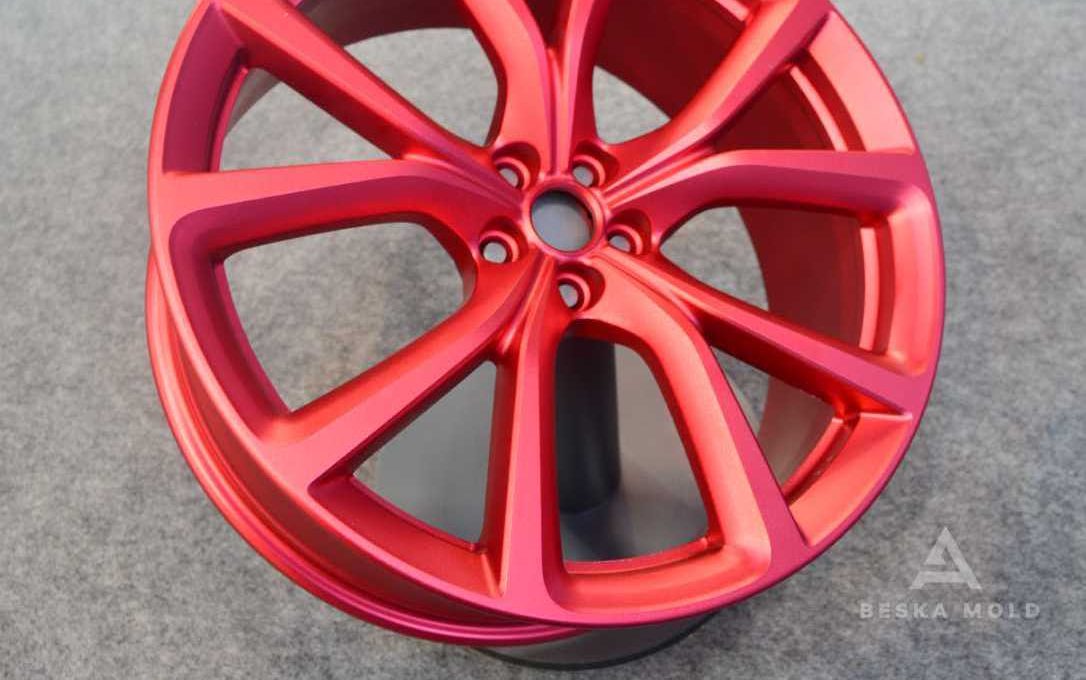
In 2023, we were commissioned by a European EV startup to manufacture lightweight yet durable wheel rims for a performance-oriented electric sedan. After testing several materials, the team settled on forged aluminum alloy 6061-T6 for its optimal balance of weight, strength, and corrosion resistance.
Material and Processing
Each rim began as a forged billet of 6061-T6, selected for its high fatigue strength and proven record in motorsports. The rims were precision-shaped using 5-axis CNC machining, allowing for tighter tolerances and refined surface finishes. Post-machining, we applied anodizing to enhance surface hardness and corrosion protection—crucial for winter road conditions and long-term aesthetics.
Manufacturing Challenges
The biggest challenge was maintaining strength in a lightweight design. The rim’s spoke geometry demanded consistent wall thickness and minimal tool chatter during milling. Thermal expansion during long toolpaths also required real-time compensation to ensure dimensional accuracy.
Why Aluminum Over Alloy Steel?
While alloy steel could provide superior strength, it came at a cost: significantly more weight. For electric vehicles, every kilogram matters. Switching to aluminum reduced unsprung mass, improving acceleration, handling, and energy efficiency—exactly what the client was after.
8. Common Misconceptions About Alloy Steel and Aluminum
When comparing alloy steel and aluminum, several common misconceptions can lead to oversimplified conclusions. Addressing these misunderstandings helps clarify material selection considerations.
1. Aluminum is always lighter than steel.
While aluminum has a lower density, achieving equivalent strength may require thicker sections. In some structural applications, the total weight difference between aluminum and alloy steel can be smaller than expected.
2. Alloy steel is always stronger in every application.
Alloy steel offers higher tensile strength, but aluminum alloys can provide sufficient performance for many load-bearing components, particularly when weight reduction is critical. Strength alone does not determine suitability.
3. Aluminum does not corrode.
Aluminum naturally forms a protective oxide layer, which improves corrosion resistance. However, it is not immune to corrosion, especially in marine or highly acidic environments. Protective coatings or anodizing may still be required.
4. Alloy steel does not require maintenance.
Steel can resist wear and high loads, but it is susceptible to rust without proper surface treatment or protective coatings. Long-term durability depends on regular inspection and preventive measures.
5. Aluminum is always more cost-effective.
Aluminum’s lower weight can reduce transportation costs and energy consumption, but raw material cost and fabrication for complex shapes can make it more expensive than alloy steel in certain projects.
These clarifications highlight the key differences and practical considerations between alloy steel and aluminum, providing a clearer perspective on their respective strengths and limitations.
9. Which One Should You Choose?
If your design demands exceptional strength, wear resistance, and durability, alloy steel is often the preferred material. On the other hand, when reducing weight, improving corrosion resistance, or simplifying machining processes are key, aluminum stands out as the better option.
Before deciding, consider these factors carefully:
- Application type: Is the component structural, needing high load-bearing capacity, or non-structural where lightness matters more?
- Fabrication methods: Does your facility support welding or heat treatment for alloy steel, or do you require the easier machining and extrusion capabilities of aluminum?
- Budget and lifecycle costs: Beyond upfront material price, consider machining complexity, maintenance, and recyclability.
- Environmental concerns: Aluminum’s recyclability and corrosion resistance can lower environmental impact over the product’s lifespan.
Ultimately, the best choice depends on balancing these elements within your specific manufacturing and performance requirements. Evaluating alloy steel vs aluminum carefully will help ensure the material aligns with both functional needs and cost-effectiveness.
Conclusión
Alloy steel and aluminum each bring unique strengths to manufacturing. Alloy steel stands out for its superior strength and durability, making it ideal for heavy-duty, high-stress applications. Aluminum, meanwhile, offers significant advantages in weight reduction and corrosion resistance, which benefit designs focused on efficiency and longevity.
The right choice depends largely on your specific application requirements and design priorities. When in doubt, consulting a materials engineer or manufacturing specialist-The Beska team can provide tailored advice to help you select the best material for your project.
Deeper into Our Resources
Para que disfrutes de lecturas interesantes, hemos preparado una lista de artículos recomendados solo para ti:
- CNC Machining Aluminum Service
- What Is Aluminum 6061
- Alloy Steel VS Stainless Steel
- How to Sandblast Aluminum
- Case Study: Aluminum Anodizing Issues
 Spanish
 English
 Hebrew
 Turkish
 French
 Russian
 German
 Portuguese