
Alodine Treatment Service
- Ideal coating for aluminum parts
- Maintaining electrical conductivity without effecting the tolerance

Beska – La mejor calidad a un precio competitivo.
Con experiencia en fabricación de chapa metálica y mecanizado CNC, estamos aquí.
What Is Alodine?
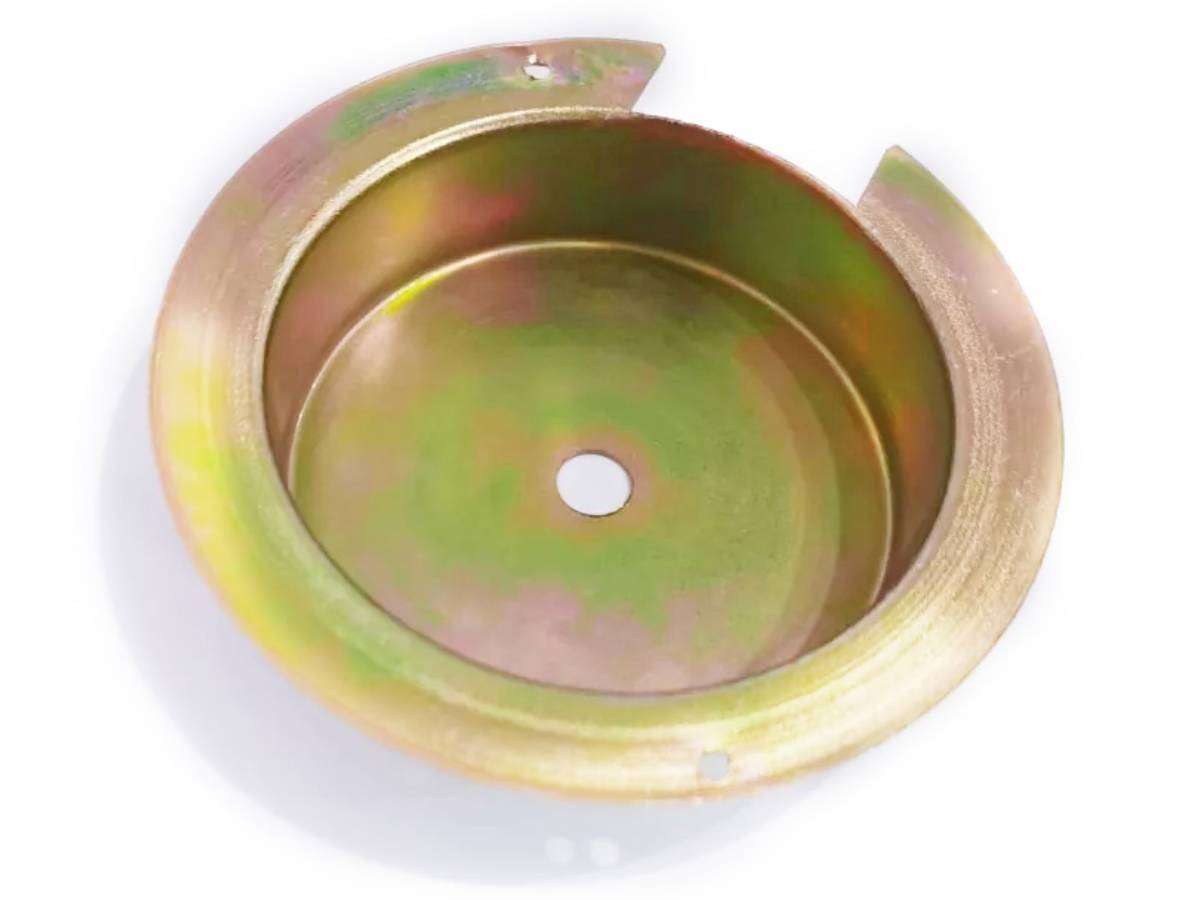
Alodine is a crucial surface finishing step to make aluminum parts with excellent performance and durability standards. If you’re designing components that require conductivity, corrosion resistance, or paint adhesion without changing the base dimensions, Alodine can be your ideal surface finishing choice.

How does alodine work? The alodine process creates an ultra-thin chemical conversion coating (typically 0.5–4 microns thick). It’s an ideal surface finish for aluminum or other precision parts. Through applying a controlled alodine chemical formula, we could enhance paint adhesion, improve conductivity, and block oxidation of the parts without adding bulk.
That’s why it’s widely used on aerospace brackets, which specially need anti-corrosion without weight penalties. At Beska, we often combine Mecanizado CNC, aluminum, and alodine surface finish to create custom parts. Are you ready to start a new project?
Beska – La mejor calidad a un precio competitivo.
Con experiencia en fabricación de chapa metálica y mecanizado CNC, estamos aquí.
The Advantages of Alodine on Aluminum Parts
After alodine, it creates a thin, chemically bonded conversion coating, which can protect aluminum surfaces from oxidation and corrosion.
The Alodine surface improves the parts’ adhesion of paints, primers, and adhesives, creating more durable finishes and stronger bonds.
Alodine still maintains the aluminum’s natural electrical conductivity.
Compared to surface treatments like anodizing or plating, Alodine can be a faster and more economical solution.
There are several environmentally friendly alodine processes like low-chromate or chromium-free options.
Alodine produces a consistent and thin conversion layer. It does not significantly alter part dimensions or tolerances.


Aluminum Alloy
Aluminio 6061
Tipos de tratamiento con Alodine
When it comes to chromate conversion coating on aluminum, several types of Alodine are commonly used in various applications. Each type gets its key features and typical use cases. You can choose a proper type for your aluminum project.
| Type | Color | Características principales | Typical Use Cases |
|---|---|---|---|
| Alodine 1200 | Golden/Yellow | Excellent corrosion resistance; leaves visible finish; conductive | Aerospace parts, military components, electrical enclosures |
| Alodine 1000 | Colorless | Minimal visual impact; slightly lower corrosion resistance than 1200 | Electronic housings, components requiring high conductivity |
| Alodine 5200 | Transparent | Chromium-free version; environmentally friendly; RoHS-compliant | Consumer electronics, green manufacturing |
| Alodine 5700 | Blue-tinted clear | Advanced non-chromium formulation; optimized for paint adhesion and conductivity | Automotive, marine, and medical devices |
Tip: Choosing the right type can make the parts better than you expected. For example, alodine 1200 is preferred when both visual confirmation and corrosion resistance are critical.
Anodize vs Alodine: Which Should You Choose
Both anodizing and alodine are popular surface finishing options. They may appear similar at first glance, but they differ significantly in purpose, performance, and application.

Anodizing is an electrochemical process that thickens the natural oxide layer on the surface of aluminum. It significantly enhances wear resistance, supports vibrant color finishes, and offers excellent protection in harsh environments. However, anodizing also renders the surface electrically non-conductive, which may not be suitable for assemblies requiring grounding or conductivity.
In contrast, Alodine treatment forms a thin, conductive protective layer without requiring electrical current. It’s particularly valued in the aerospace, defense, and electronics industries. In those applications, lightweight corrosion protection must coexist with electrical conductivity and paint adhesion. Alongside that, Alodine can be applied at room temperature, which makes it faster and more cost-effective solution for specific use cases. Más información
Otro posprocesamiento
Except for alodine, we also apply other surface finishing options on the custom metal components. Let’s take a closer look at these options:

Recubrimiento en polvo
Es un acabado de superficie popular para mecanizar piezas de metal, que ofrece durabilidad, una apariencia elegante, rentabilidad y respeto al medio ambiente.

Anodizado
Consiste en sumergir el metal en una solución electrolítica y aplicar una corriente eléctrica, que forma una capa protectora de óxido sobre las partes metálicas.

Niquelado
Es un proceso ampliamente utilizado que implica depositar una fina capa de níquel sobre un sustrato, mejorando la durabilidad, la resistencia a la corrosión y el atractivo estético de varios componentes metálicos mecanizados.

chorro de arena
Es un proceso de acabado de superficies que utiliza aire a alta presión para impulsar partículas de arena abrasiva sobre una superficie, eliminando eficazmente las impurezas, suavizando los bordes ásperos y creando una textura uniforme.

Cromado
Es un proceso que recubre una superficie metálica, generalmente acero, con una fina capa de cromo mediante galvanoplastia. Este recubrimiento mejora la durabilidad, la resistencia a la corrosión y la estética de la pieza metálica.

Tratamiento térmico
El proceso implica calentar el material a una temperatura específica, mantenerlo a esa temperatura durante un período determinado y luego enfriarlo a un ritmo controlado.
Perfecciona tu Mecanizado CNC Fabricación de chapa metálica Moldeo por inyección Necesidades con nosotros
Preguntas frecuentes
Yes. One of the advantages of Alodine coating for aluminum parts is that it can retain electrical conductivity. It is crucial for grounding components in aerospace and electronic assemblies.
It depends on the type you choose. There are two common types: One appears gold (Type I) and the other clear (Type II). The color does not affect performance but may be useful for visual inspection.
Yes, Alodine is often used alone to protect aluminum surfaces from corrosion. But it’s also commonly used as a pretreatment before painting or powder coating to improve adhesion.
No. One of the main benefits of alodine is that it adds only a very thin film (usually just a few hundred nanometers). That's why it's the ideal choice for creating precision-machined aluminum parts.
Type I uses hexavalent chromium and forms a golden coating. It can offer strong corrosion resistance. But it has environmental and safety concerns.
Type II works by using trivalent chromium and forms a clear coating, meeting RoHS compliance standards.
Aplicación del tratamiento con Alodine
Alodine treatment is valued across multiple industries for its ability to protect metal surfaces, improve corrosion resistance, and maintain electrical conductivity. Below are some key sectors where this process delivers significant benefits.
Militar y Defensa
Industria marina
Aplicaciones electrónicas y eléctricas
3 consejos a tener en cuenta al elegir el tratamiento con Alodine
Selecting the right alodine treatment provider can make a significant difference in the protection, appearance, and longevity of your metal components. Here are three key factors to keep in mind when evaluating your options.
Experto en soluciones de cromato #1
#2 Consigue acabados dorados e iridiscentes
Procesos de postratamiento #3
Profundice en nuestros recursos
¿Busca más opciones de servicio? Explore nuestra selección cuidadosamente seleccionada:
Para que disfrutes de lecturas interesantes, hemos preparado una lista de artículos recomendados solo para ti:
¿Aún no has encontrado lo que buscas? No dudes en contactarnos. ContáctanosEstamos disponibles las 24 horas para ayudarle.
 Spanish
 English
 Hebrew
 Turkish
 French
 Russian
 German
 Portuguese