


Steel remains a foundation of modern engineering and manufacturing. It supports everything from infrastructure and transportation to tools and precision components.
Within this broad category, carbon steel and tool steel stand out as two of the most widely used materials. Each offers its own balance of strength, hardness, and machinability, making them essential in very different contexts.
This article takes a closer look at how carbon steel compares with tool steel. You’ll find an overview of their composition, mechanical properties, typical applications, and how they perform in CNC machining and related processes.
1. ¿Qué es el acero al carbono?
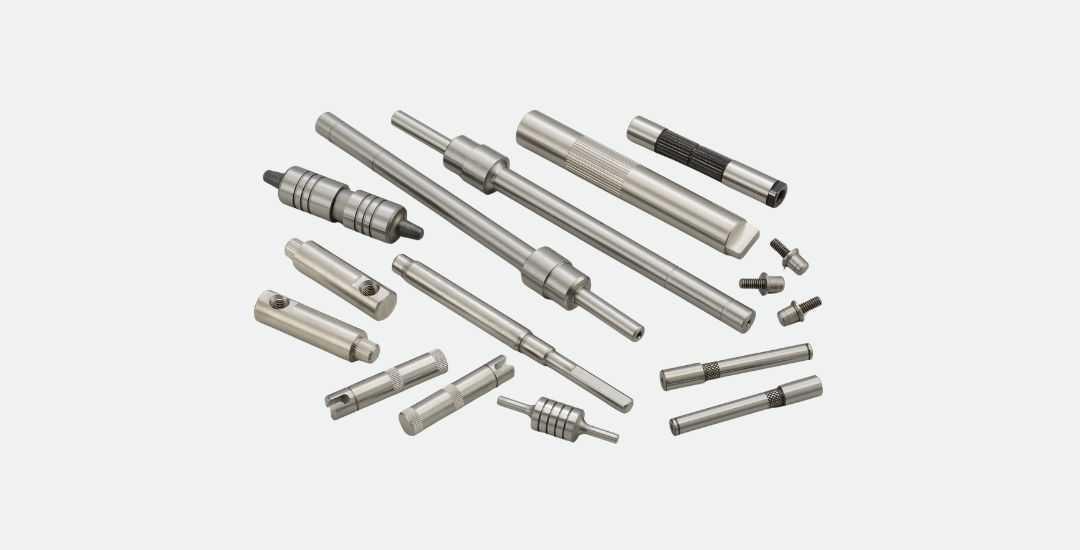
Carbon steel is an iron–carbon alloy and forms the backbone of the wider steel family. The percentage of carbon largely determines its mechanical behavior, from strength and hardness to ductility and machinability. Because of this versatility, carbon steel is one of the most common choices in structural, automotive, and industrial manufacturing. It can be produced in large volumes at a relatively low cost and adapted to a wide range of heat treatment and surface finishing processes.
Key Advantages of Carbon Steel
- Cost-effective with fewer alloying elements
- Good forgeability, weldability, and machinability
- Balanced strength and toughness after heat treatment
Key Limitations of Carbon Steel
- Poor corrosion resistance and prone to rust in humid environments without coatings
- Limited high-temperature performance (softens above ~250 °C)
- Shallow hardening depth; large parts may not achieve uniform hardness
These advantages and limitations explain why carbon steel is used so widely yet also why it is sometimes substituted with other steels, such as tool steel, when higher hardness or corrosion resistance is needed.
2. Types of Carbon Steel

Carbon steel is usually classified into three categories according to its carbon content. Each category offers a different combination of properties and typical uses:
| Type | Contenido de carbono | Propiedades clave | Typical Uses |
| Low Carbon Steel (Mild Steel) | 0.05–0.25% | Soft, high toughness and ductility, easy to forge, weld, and machine but lower strength and hardness | Structural components, automotive panels, ship plates, wire, rivets, deep-drawn parts such as cans |
| Medium Carbon Steel | 0.25–0.60% | Balanced strength, hardness, and toughness; heat treatment (quenching and tempering) improves properties | Crankshafts, connecting rods, gears, shafts, bolts, and nuts |
| High Carbon Steel | 0.60–1.0%+ | Very high strength and hardness but reduced toughness and weldability; excellent wear resistance after heat treatment | Springs, wrenches, steel ropes, agricultural blades, cutting edges (kitchen knives, razor blades, hand tools) |
These categories provide a useful starting point when selecting materials for parts that require different combinations of strength, machinability, and durability.
3. What Is Tool Steel?
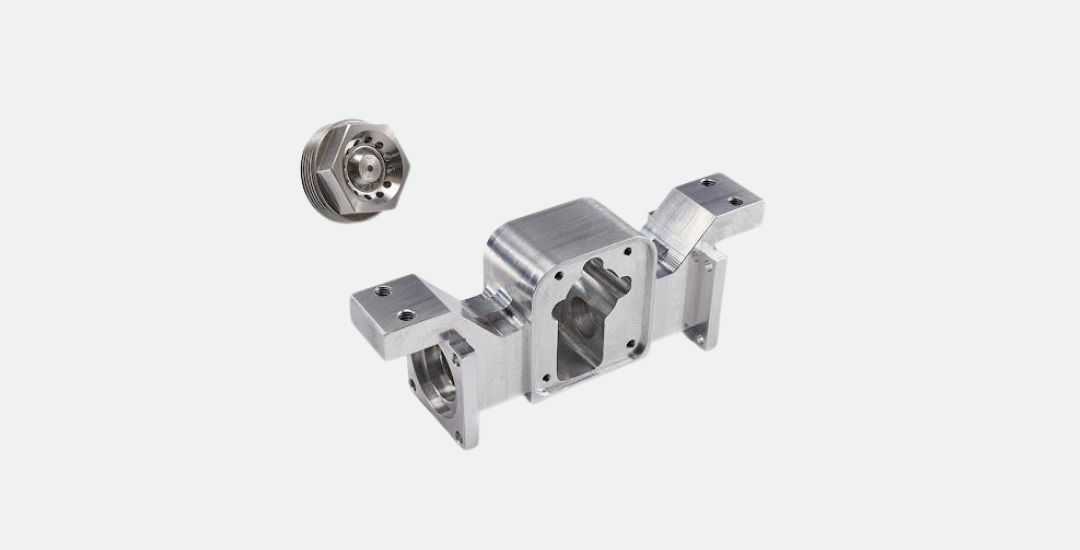
Tool steel is a family of high-performance steels developed for making tools, dies, molds, and cutting edges that process other materials. Compared with carbon steel, it is engineered for demanding conditions where extreme hardness, wear resistance, and dimensional stability are essential.
Key Alloying Elements in Tool Steel
Tool steels contain a richer mix of alloying elements than carbon steels, each contributing specific properties:
- Chromium (Cr): Increases hardness, wear resistance, and corrosion resistance; improves hardenability for larger tools.
- Tungsten (W) and Molybdenum (Mo): Form hard carbides that boost hot hardness—the ability to retain hardness at elevated temperatures, critical for high-speed steels.
- Vanadium (V): Produces very hard carbides, refines grain size, and enhances wear resistance and toughness.
- Cobalt (Co): Raises hot hardness and tempering resistance, especially in high-speed grades.
Advantages of Tool Steel
- Exceptional hardness and wear resistance
- High hot hardness for use at elevated temperatures
- High hardenability for large, uniformly hardened tools
- Good dimensional stability during heat treatment
Limitations of Tool Steel
- Higher cost due to expensive alloying elements and complex manufacturing
- More difficult to machine, forge, or weld; often requires specialized equipment
- Some grades trade toughness for hardness, making them more brittle
These characteristics explain why tool steel is chosen for precision dies, cutting tools, and molds, while carbon steel remains a cost-effective choice for less demanding parts.
4. Main Types of Tool Steel
Tool steels are classified into several types based on the conditions they are designed to handle. This classification helps match the material to the operating environment and performance requirements:
- Water-Hardening (W-Type): Hardened in water; low cost but prone to distortion and cracking.
- Cold-Work Tool Steels (D-, O-, A-Types): Used for dies and gauges operating at room temperature; high hardness and wear resistance with moderate toughness.
- Hot-Work Tool Steels (H-Type): Developed for dies handling high-temperature materials such as die casting and forging; excellent hot hardness and thermal fatigue resistance.
- High-Speed Steels (HSS, M-/T-Type): Ideal for drills, end mills, and cutting tools operating at high speed; retain high hardness at around 600°C.
- Plastic Mold Steels (P-Type): Designed for injection molds; emphasize polishability, corrosion resistance, and dimensional stability.
These categories make it easier to select the right tool steel for specific manufacturing tasks, balancing hardness, toughness, and temperature performance.
5. Key Differences: Carbon Steel vs Tool Steel

Although both materials belong to the steel family, their composition and performance differ in ways that affect cost, processing, and end use. The table below highlights the main differences between carbon steel and tool steel:
| Propiedad | Acero carbono | Acero para herramientas |
| Main Elements | Iron, carbon (minor Mn, Si) | Iron, carbon, high-alloy elements (Cr, W, Mo, V, etc.) |
| Costo | Bajo | Alto |
| Maquinabilidad | Good (easy to cut, weld, form) | Lower (requires special tools/techniques) |
| Dureza | Medium to high (depends on carbon content and heat treatment) | Muy alto |
| Tenacidad | Good (especially low- and medium-carbon steels) | Variable (often lower at very high hardness) |
| Resistencia al desgaste | Moderado | Excelente |
| Resistencia a la corrosión | Poor (rusts easily) | Varies (can be good with high Cr content) |
| Hardenability | Low (surface hardening only) | Very high (uniform through-section hardening) |
| Hot Hardness | Poor (softens quickly at high temp) | Excellent (especially HSS and hot-work steels) |
| Aplicaciones típicas | Structural parts, automotive panels, bolts, shafts, general-purpose tools | Dies, punches, drills, milling cutters, precision gauges |
This comparison makes it clear why carbon steel is widely used for general-purpose parts, while tool steel is selected for applications that demand extreme hardness, wear resistance, or stability at high temperatures.
6. CNC Machining Considerations
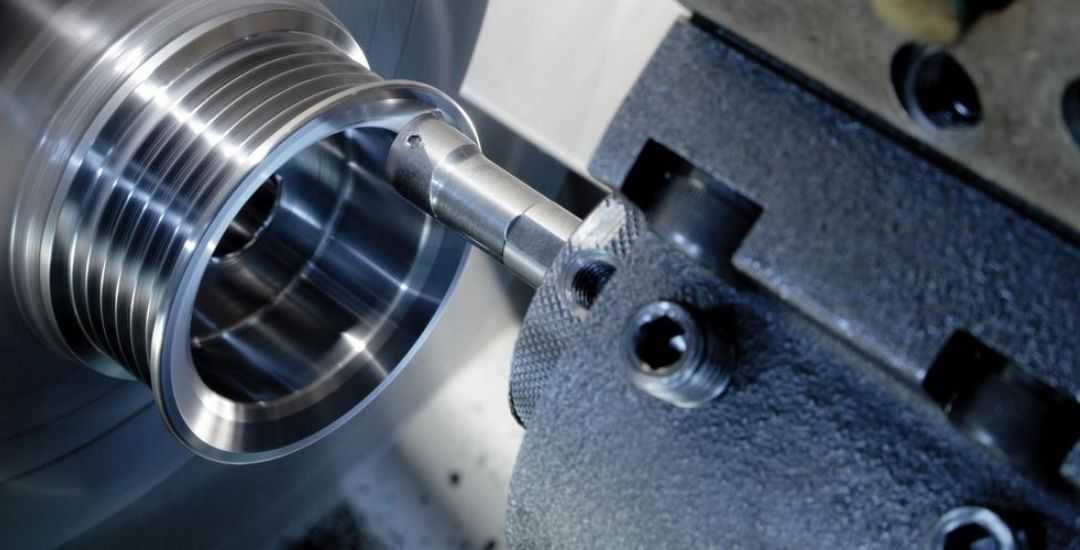
Both carbon steel (such as 45# and 20CrMnTi) and tool steel (such as Cr12 and W18Cr4V) are widely used in mechanical, tooling, and mold-making industries. With appropriate Mecanizado CNC strategies and post-processing, these materials can achieve high precision, wear resistance, and long service life.
Machining Carbon Steel
- Common parts: gears, shafts, lead screws
- Typical equipment: CNC lathes, gear hobbing machines, CNC milling machines, machining centers
- Typical process flow: Rough turning with stock allowance; Semi-finish milling of keyways or flat surfaces; Precision hobbing or finish milling of gear teeth and locating surfaces; Drilling and boring of bearing holes
- Key post-processing: Heat treatment (e.g., 45# steel quenching at 850 °C + tempering at 550 °C; carburizing for 20CrMnTi); Precision grinding of outer diameters and gear teeth; Surface treatments such as black oxide or cromado for corrosion and wear resistance
Machining Tool Steel
- Common parts: drills, end mills, taps, turning tool holders
- Typical equipment: CNC tool grinders, wire EDM machines, CNC lathes
- Typical process flow:
Rough turning of annealed blanks; Wire EDM of complex tool profiles; Precision grinding of cutting edges and angles (e.g., 118° drill point) - Key post-processing: Strict quenching and tempering (e.g., W18Cr4V quench at 1270 °C + temper at 560 °C three times, achieving HRC63–66); Edge polishing to Ra0.8 or below; TiN coating to extend tool life
Machining for Molds and Dies
Tool steel (Cr12, Cr12MoV) and carbon steel (Q235) are often combined in mold bases and inserts. Typical operations include milling of cavities, drilling of guide holes, EDM of complex shapes, and precision grinding of mating surfaces. Post-processing such as quenching, nitriding, and polishing is used to achieve the required surface hardness, wear resistance, and dimensional stability.
7. Choosing the Right Steel:
Selecting carbon steel or tool steel is not about which is “better” but which is “more suitable” for your application:
Choose carbon steel when:
- Cost control is a priority and large volumes are needed
- The design calls for easy welding, bending, or general machining
- Parts need a balanced combination of strength and toughness to absorb impact without breaking
- The environment is at room temperature with low wear, and protective coatings can be applied to prevent corrosion
Choose tool steel when:
- High wear resistance is essential for a long service life
- Components must operate at elevated temperatures, such as die-casting molds or high-speed cutting tools
- High hardenability and uniform hardness in large sections are required
- Dimensional stability during heat treatment is critical for precision tools
This approach helps you match the steel to your operating environment, performance needs, and production budget rather than relying on a one-size-fits-all solution.
Conclusión
Deciding between carbon steel and tool steel comes down to understanding the demands of your application rather than simply picking the “stronger” option. Carbon steel works well for structural parts and components where cost, ease of machining, and toughness are key. Tool steel, on the other hand, excels in high-wear, high-temperature, and precision tooling applications.
By aligning material choice with performance requirements, manufacturing processes, and long-term durability, you can ensure your parts meet both functional and production goals efficiently. A careful selection upfront reduces rework, extends tool life, and helps maintain consistent quality across batches.
Looking for custom manufacturing solutions? Partnering with an experienced CNC supplier like the Beska team who understands both materials can help you avoid costly revisions and speed up time-to-market.
Profundice en nuestros recursos
For more details, we’ve curated a few recommended pages and articles just for you:
- Alloy steel vs aluminum
- How to weld stainless steel
- How to harden steel
- Black oxide coating on steel
- Mecanizado CNC de materiales metálicos
 Spanish
 English
 Hebrew
 Turkish
 French
 Russian
 German
 Portuguese