


Metal corrosion is more than just rust; it gradually weakens strength, reduces performance, and can compromise safety over time. In structures, vehicles, and industrial equipment, corrosion is often the hidden cause of unexpected failures and rising maintenance costs. Different metals offer varying levels of resistance, and selecting the right material can significantly extend the lifespan of a component.
This article explores ten metals known for their corrosion-resistant properties, focusing on what makes each effective and the types of applications where they excel. By highlighting practical characteristics and real-world performance, the following sections provide clear insights for anyone evaluating metals for durability and long-term reliability.
1. Stainless Steel
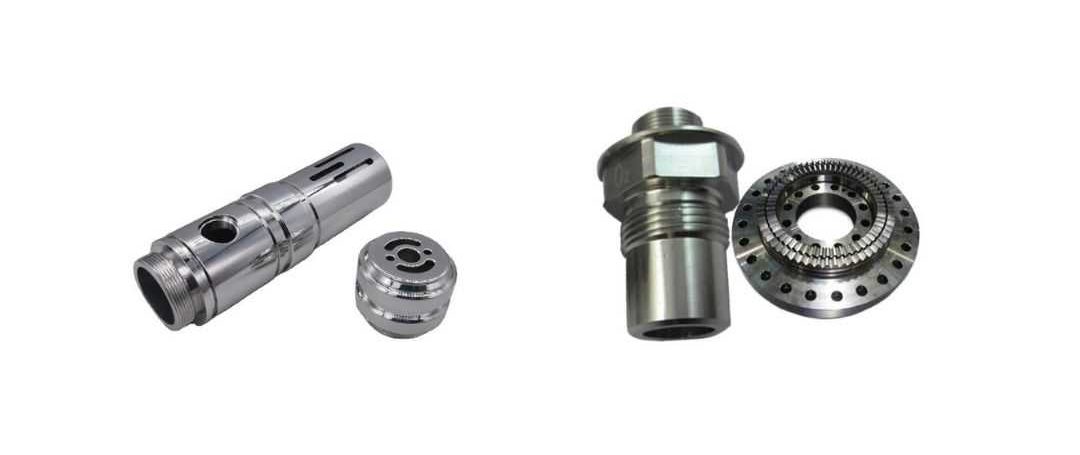
Stainless steel owes its corrosion resistance to chromium, which typically makes up 10–20% of the alloy. This chromium forms a thin, self-repairing oxide layer on the surface that prevents rust and protects the metal even if scratched. The protective mechanism allows stainless steel to withstand prolonged exposure to moisture, air, and many chemicals.
Different grades offer distinct levels of protection. Grade 316 contains 2–3% molybdenum, which significantly improves resistance to pitting and crevice corrosion in chloride-rich environments such as seawater or chemical solutions. Grade 304 is suitable for less aggressive conditions and is commonly used where moderate humidity or occasional exposure to water occurs. Grade 430 performs well at high temperatures, maintaining oxidation resistance for components like heat exchangers or industrial ovens.
Mechanical properties are equally important. Stainless steel combines tensile strength between 500–750 MPa and good toughness, enabling components to maintain structural integrity under repeated stress or thermal cycling. Surface treatments such as polishing or passivation further enhance corrosion resistance and reduce maintenance requirements.
When choosing stainless steel for any application, consider the specific environment, exposure to chemicals or salt, load conditions, and temperature. Matching the grade to these factors ensures long-term durability, minimizes maintenance, and allows the material to perform reliably over its service life.
2. Aluminio
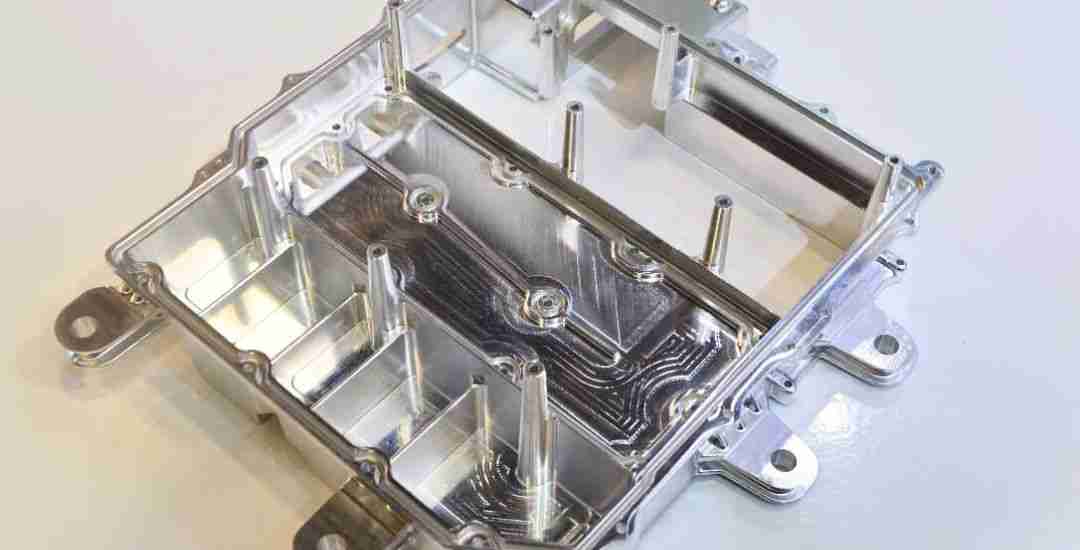
Aluminum resists corrosion due to a naturally forming oxide layer that protects the metal from oxidation and environmental attack. Corrosion rates depend on the alloy and exposure conditions. In atmospheric environments, typical rates range from 0.02 to 0.1 mm per year, while in seawater, untreated aluminum alloys can corrode at 0.05–0.15 mm per year.
Aluminum alloys exhibit significant variation in corrosion resistance:
| Alloy Series | Key Alloying Elements | Resistencia a la corrosión | Typical Environment | Notas |
| 5000 Series | Magnesio | Excelente | Marine, seawater | Minimal pitting; commonly used in ship hulls and marine structures |
| 6000 Series | Silicon, Magnesium | Bien | Outdoor, industrial | Balanced corrosion resistance and mechanical strength for general applications |
| 7000 Series | Zinc, Magnesium | Moderado | Indoor, low moisture | High strength but vulnerable in chloride-rich environments; protective coating recommended |
The 5000 series performs best in aggressive chloride environments due to its high magnesium content, whereas the 7000 series, while stronger, is more susceptible to localized corrosion. Tensile strengths range from 150–350 MPa, depending on alloy and temper, making aluminum a practical choice where both durability and lightweight properties are required.
3. Titanium
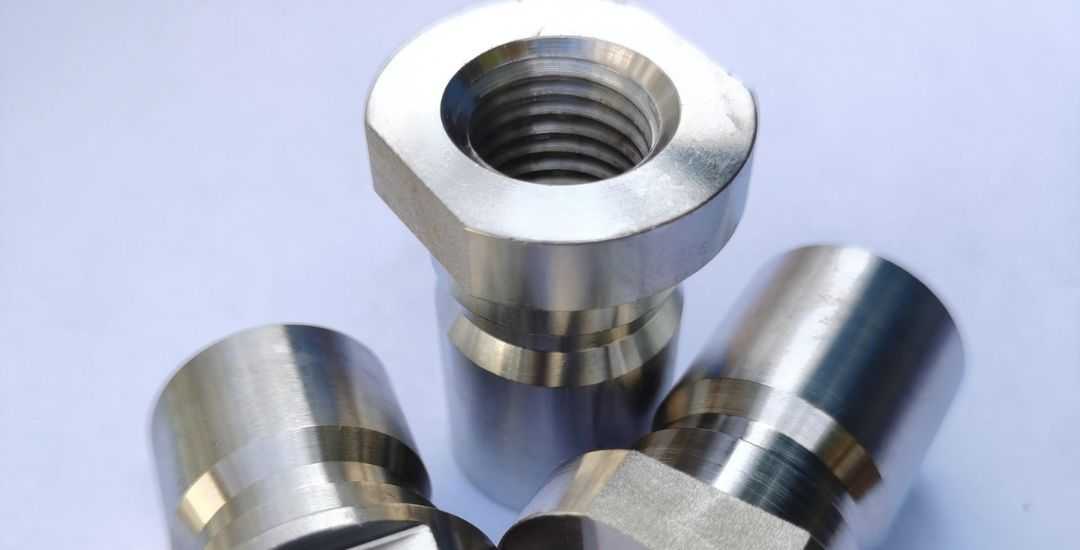
Titanium is highly corrosion-resistant due to a dense, self-healing oxide layer. Unlike many metals, it resists not only general oxidation but also localized corrosion forms such as pitting and crevice corrosion, even in chloride-rich environments. Its performance varies by grade and environment:
| Calificación | Composition | Corrosion Behavior | Environmental Notes | Tensile Strength (MPa) |
| Grado 2 | Commercially pure Ti | Exceptional resistance to uniform corrosion and seawater pitting | Performs well in most acids, chlorides, and oxidizing environments | 345 |
| Grade 5 (Ti-6Al-4V) | Ti + 6% Al + 4% V | Very good general corrosion resistance; susceptible to stress corrosion in chloride under tensile stress | High strength applications, withstands seawater, mild acids, and temperatures up to 400°C | 895 |
| Grado 7 | Ti + 0.12–0.25% Pd | Superior resistance in oxidizing acids (e.g., nitric acid) | Ideal for chemical and pharmaceutical equipment where strong acids are used | 450–550 |
Titanium shows negligible uniform corrosion in most neutral and oxidizing solutions. Pitting corrosion in seawater is minimal, and crevice corrosion is rare under normal industrial conditions. Its combination of low density and high tensile strength results in an outstanding strength-to-weight ratio, making it suitable for demanding applications where both mechanical performance and long-term corrosion resistance are required.
4. Copper

Copper and its alloys, including red copper and brass, provide reliable corrosion resistance in many environments, particularly in air and fresh water. The metal develops a protective patina over time, which significantly slows further oxidation and contributes to long-term durability.
- Corrosion Behavior: Pure copper exhibits very low uniform corrosion rates in atmospheric conditions, typically less than 0.005 mm per year, and remains resistant to mild acidic or alkaline solutions. Pitting and crevice corrosion are rare under normal conditions but can occur in stagnant chloride-rich environments.
- Alloying Effects: Adding zinc produces brass, which improves strength and maintains moderate corrosion resistance. Copper-nickel alloys (70–90% Cu with 10–30% Ni) show excellent resistance in seawater and oxidizing conditions and are often used in marine piping and heat exchangers.
- Mechanical Properties: Pure copper is relatively soft, with tensile strengths around 210 MPa, but brass and copper-nickel alloys increase strength to 300–500 MPa, depending on composition and temper.
- Practical Applications: Copper and its alloys are widely used in electrical wiring, plumbing, heat exchangers, and decorative elements, where both conductivity and corrosion resistance are important. Choosing the appropriate alloy depends on balancing mechanical strength, corrosion environment, and functional requirements.
This approach ensures that copper components maintain structural integrity and performance over time, even in challenging environmental conditions.
5. Nickel
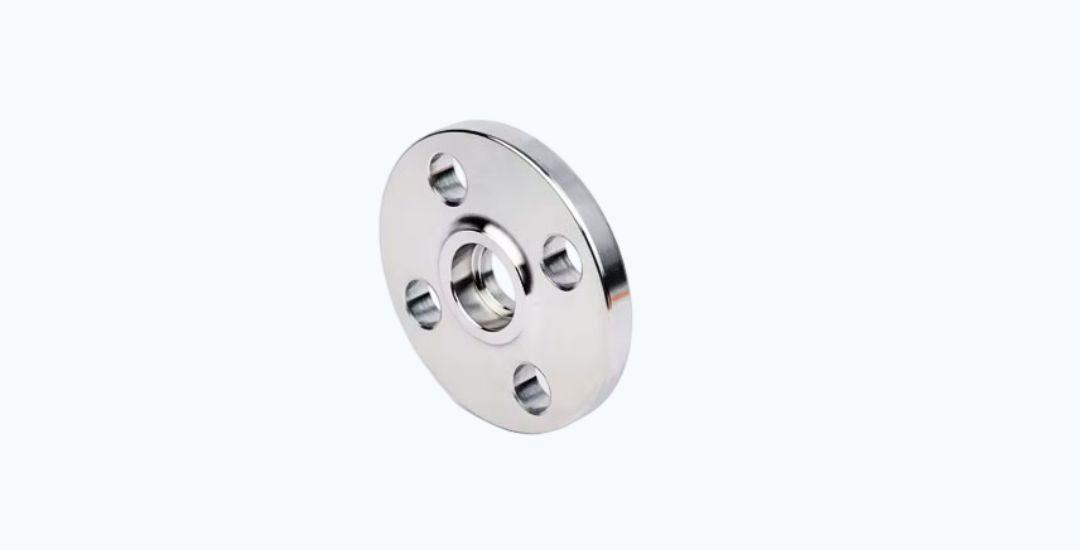
Nickel is highly corrosion-resistant, maintaining surface integrity in acidic, alkaline, and chloride-rich environments. Its chemical stability is stronger than that of stainless steel in many oxidizing acids and superior to copper in high-temperature or marine conditions. However, in neutral, atmospheric conditions, pure nickel and stainless steel show similar low corrosion rates, while aluminum may outperform nickel in terms of uniform weight loss in some mild environments.
Nickel-based alloys extend these properties into more extreme conditions. Monel, a nickel-copper alloy, resists prolonged seawater exposure with minimal pitting, outperforming brass or standard copper alloys in marine applications. Inconel, with chromium and iron, maintains corrosion resistance at temperatures up to 980°C and in highly oxidizing solutions, conditions where most stainless steels or copper alloys would rapidly degrade.
Pure nickel has a tensile strength of around 310 MPa, while alloying can raise it to 550–900 MPa, retaining dimensional stability under thermal cycling. Nickel can also be applied as a plating to other metals, improving their surface corrosion resistance and extending service life. Its combination of chemical resistance, high-temperature tolerance, and mechanical stability makes nickel a preferred choice where long-term durability is critical.
6. Zinc

Zinc is primarily used as a protective coating for steel and other metals. Its corrosion resistance comes from two mechanisms: a naturally forming oxide layer slows further surface corrosion, and zinc acts as a sacrificial anode when in contact with steel, protecting the base metal. Zinc is relatively soft, so it is rarely used as a structural material.
| Coating Method | Typical Thickness | Corrosion Performance | Suitable Environment | Notas |
| Hot-dip galvanizing | 50–200 μm | Provides uniform corrosion protection; slows rusting of steel | Outdoor, mild marine, industrial | Thick coatings give long-term durability under moderate exposure |
| Galvanoplastia | 5–25 μm | Thin protective layer; limited lifespan in aggressive conditions | Indoor, low-humidity | Often used for decorative or light-duty parts |
| Zinc-rich paints | Variable | Barrier protection; effectiveness depends on zinc content | Outdoor, structural steel | Requires proper application to ensure sacrificial protection |
- Comparative Perspective: Zinc-coated steel resists corrosion better than uncoated steel or iron under similar conditions. However, in prolonged exposure to strong acids or alkaline solutions, aluminum or stainless steel generally performs better.
- Environmental Factors: Corrosion rate depends on humidity, chloride content, and pollution. Zinc provides sacrificial protection where steel exposure to moisture is likely, but it does not prevent all forms of localized corrosion in highly aggressive environments.
Zinc’s effectiveness is determined by coating thickness, application method, and environmental exposure, making proper specification critical to achieving reliable corrosion protection.
7. Latón
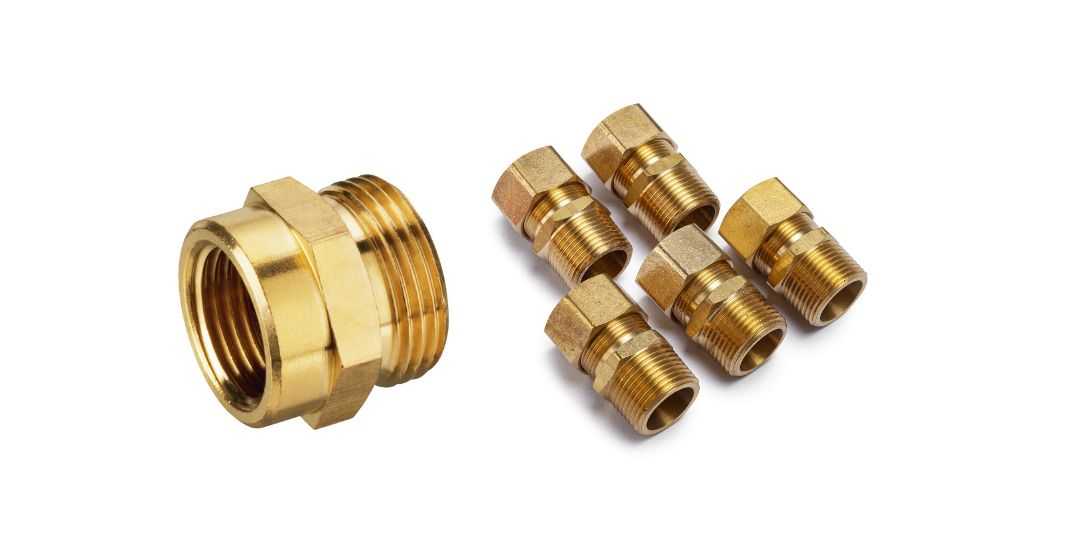
Brass, an alloy of copper and zinc, combines moderate corrosion resistance with mechanical strength and aesthetic appeal. Its copper content allows the formation of a protective patina in air and freshwater, which slows further oxidation. However, the zinc component introduces a vulnerability known as dezincification, where zinc can selectively leach out in acidic or chloride-rich environments, leaving a porous copper-rich structure that weakens the alloy.
The degree of dezincification depends on the zinc content and alloy composition. Alloys with lower zinc percentages, or those with small additions of tin (as in Admiralty brass), resist this process better and are more suitable for marine or chemical applications. Purely decorative brasses with higher zinc content may offer limited long-term corrosion resistance if exposed to aggressive conditions.
Compared with pure copper, brass has slightly reduced corrosion resistance in seawater, but its mechanical strength is higher, which makes it useful for valves, fittings, gears, and other components where both appearance and functional durability matter. Brass maintains integrity in neutral and mildly alkaline environments but is less reliable than nickel alloys or stainless steel under strongly acidic or oxidizing conditions.
8. Bronze
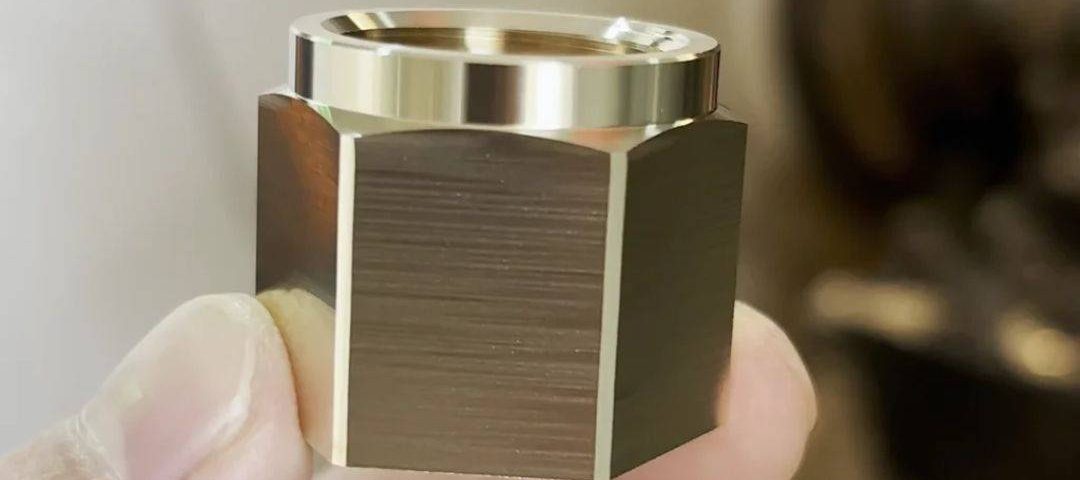
Bronze, an alloy of copper and tin (typically 5–12% tin), forms a dense, adherent oxide layer that slows corrosion, particularly in seawater and atmospheric conditions. Its uniform corrosion rate in seawater is about 0.02–0.05 mm per year, lower than brass and most copper alloys. Bronze shows strong resistance to pitting and crevice corrosion, and higher tin content generally improves this resistance. In contrast, brass may suffer dezincification in chloride-rich environments, and pure copper is more prone to localized corrosion.
Mechanical properties include tensile strength of 300–500 MPa and hardness up to 120 HB, along with excellent wear resistance and dimensional stability. Bronze is commonly used for ship fittings, bearings, bushings, and outdoor structures, where both corrosion resistance and durability under friction or mechanical stress are required.
9. Magnesium Alloys
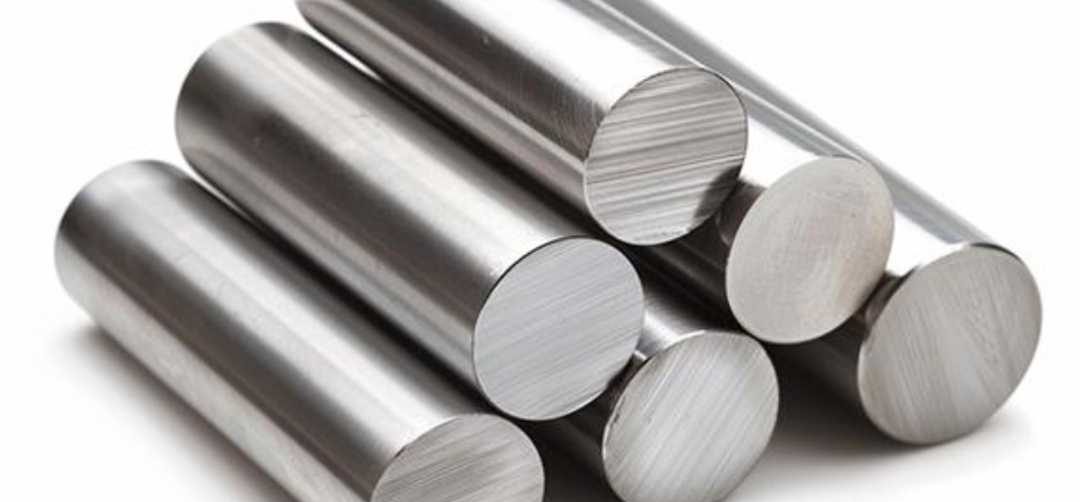
Magnesium alloys are among the lightest structural metals, valued for their high strength-to-weight ratio. However, untreated magnesium corrodes quickly in humid or aqueous environments, forming magnesium hydroxide, which can flake and expose fresh metal. Corrosion resistance improves significantly through alloying and surface treatments.
| Alloy / Treatment | Typical Composition | Corrosion Rate (mm/year) | Notes / Environment |
| AZ31 (Mg-Al-Zn) | Mg 96%, Al 3%, Zn 1% | 0.5–1.0 (untreated) | General structural use; requires coating in humid environments |
| AZ91 (Mg-Al-Zn) | Mg 89%, Al 9%, Zn 1% | 0.05–0.2 (anodized) | Improved corrosion resistance; suitable for automotive and aerospace components |
| AM60 (Mg-Al-Mn) | Mg 93%, Al 6%, Mn 1% | 0.1–0.3 (chromate conversion) | Offers balanced corrosion resistance and mechanical strength; marine exposure possible with coating |
Magnesium alloys are highly susceptible to pitting and filiform corrosion in chloride-rich or acidic environments. While their corrosion resistance can approach that of aluminum alloys when properly treated, untreated magnesium corrodes far faster than aluminum or steel under similar conditions. Mechanical properties include tensile strengths from 150 to 350 MPa and densities of 1.7–1.9 g/cm³, emphasizing their advantage where weight reduction is critical.
10. High-Performance Alloys
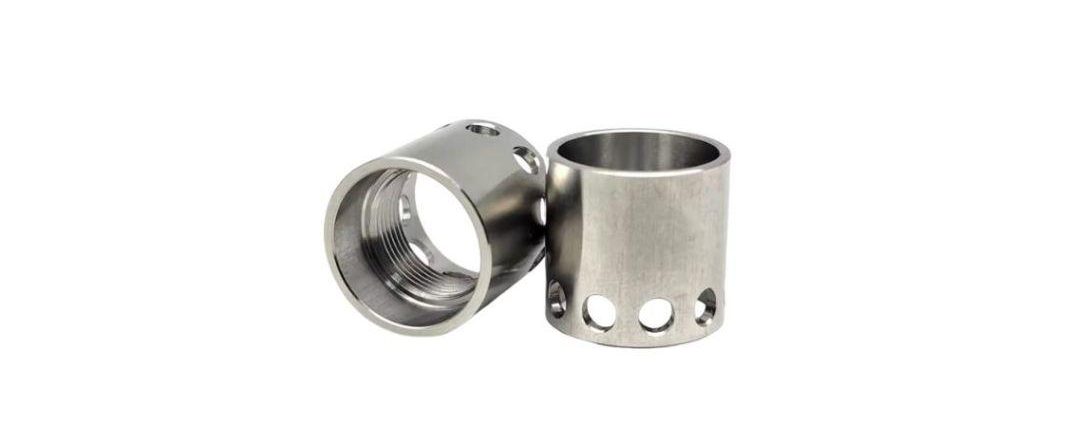
High-performance alloys such as Inconel and Hastelloy resist oxidation, pitting, and stress corrosion cracking under acidic, chloride-rich, and high-temperature conditions. Their corrosion resistance comes from high nickel content with chromium, molybdenum, and other alloying elements.
| Alloy | Key Elements | Resistencia a la corrosión | Temperature Range |
| Inconel 625 | Ni 58%, Cr 21%, Mo 9% | Oxidizing acids, seawater, chloride pitting | −200°C to 982°C |
| Hastelloy C-22 | Ni 57%, Cr 22%, Mo 13%, W 3% | Strong oxidizing/reducing acids | −40°C to 982°C |
| Inconel 718 | Ni 52%, Cr 19%, Mo 3%, Nb 5% | Stress corrosion cracking, high-temp oxidation | −253°C to 700°C |
Compared with standard stainless steels, these alloys maintain structural integrity and corrosion resistance in environments where 316 or 304 stainless steel would degrade. Tensile strength ranges from 550 to 1,300 MPa, with excellent creep and fatigue resistance, making them ideal for chemical, energy, and aerospace applications.
11. How to Choose the Right Corrosion-Resistant Metal
Selecting the appropriate corrosion-resistant metal requires evaluating environmental, mechanical, manufacturing, and economic factors:
Environment
Identify exposure conditions. Seawater and chloride-rich environments accelerate pitting corrosion, making alloys like bronze or nickel-based alloys preferable. Acidic or strongly oxidizing environments favor Hastelloy or Inconel. Corrosion rates vary widely: untreated magnesium may corrode 0.5–1.5 mm/year, while anodized magnesium drops to 0.05–0.2 mm/year.
Mechanical Requirements
Consider strength, wear resistance, and density. Stainless steels typically range from 200–600 MPa, bronze 300–500 MPa, and high-performance alloys 550–1,300 MPa. Lightweight applications may favor magnesium alloys (density 1.7–1.9 g/cm³) or aluminum alloys (2.7 g/cm³).
Manufacturing Considerations
The metal’s physical and chemical properties affect processing. Hard or high-strength alloys like Inconel require specialized tooling and slower machining speeds, while softer metals such as brass or aluminum are easier to cut and shape. Some metals may also require surface treatments, welding precautions, or stress-relief processes to maintain corrosion resistance and dimensional stability during fabrication.
Cost vs. Performance
High-performance alloys provide superior corrosion resistance in extreme environments but at a higher cost. Balancing initial material cost with long-term durability and maintenance needs is essential.
Corrosion Type Compatibility
Match the metal to the specific corrosion risk. For example, zinc coatings provide sacrificial protection against uniform steel rusting but are ineffective in strong acids or chlorides. Brass may resist general oxidation but can suffer dezincification in chloride-rich conditions.
By comparing environmental exposure, mechanical needs, manufacturing requirements, and corrosion mechanisms, designers and engineers can select metals that optimize durability, manufacturability, and long-term reliability.
Conclusión
Selecting the right corrosion-resistant metal requires careful consideration of environmental exposure, mechanical demands, and cost. Each material, whether stainless steel, bronze, magnesium, or high-performance alloys, has unique strengths and limitations that directly affect durability and long-term performance. Choosing the appropriate metal ensures components maintain structural integrity, resist degradation, and perform reliably under the intended conditions.
For projects that require precise fabrication, consulting an experienced supplier like the Beska team offering Mecanizado CNC y fabricación de chapa metálica can help turn the chosen metal into components that meet exact specifications.
Profundice en nuestros recursos
Para que disfrutes de lecturas interesantes, hemos preparado una lista de artículos recomendados solo para ti:
 Spanish
 English
 Hebrew
 Turkish
 French
 Russian
 German
 Portuguese