


In the steel and metallurgical industries, iron alloys are indispensable materials that shape the foundation of modern manufacturing. By adjusting the types and proportions of alloying elements, you can dramatically enhance the properties of iron, improving hardness, corrosion resistance, strength, and toughness.
From the rebar used in skyscrapers to the specialty steels inside automotive engines, iron alloys are everywhere. Each type offers unique characteristics and plays a distinct role in today’s production landscape.
In this article, we will explore the main types of iron alloys, their key properties, and the applications that make them essential across various industries, helping you make informed material choices.
1. What Are Iron Alloys?

Iron alloys are materials composed primarily of iron, combined with one or more metallic or nonmetallic elements. They are not typically used directly as structural materials but act as additives in steelmaking, helping refine composition and improve the final steel’s performance.
Their key roles include:
- Deoxidizers. Alloys such as ferrosilicon and ferromanganese remove dissolved oxygen in molten steel, preventing porosity and defects.
- Alloying Agents. Introducing specific iron alloys adds elements like chromium, manganese, or vanadium, altering the steel’s microstructure to achieve desired mechanical and chemical properties.
- Grain Refiners. Certain iron alloys promote crystal nucleation during solidification, refining grains to increase strength and toughness.
Most iron alloys are produced by electric furnace smelting, where elements are reduced from ores using carbon or silicon. This process demands substantial energy, so iron alloy production is often concentrated in power-rich regions.
2. Main Types of Iron Alloys

The classification of iron alloys depends mainly on their dominant alloying element. Each category enhances specific steel properties, from strength and ductility to corrosion and heat resistance.
Below is a breakdown of the main types and their typical roles in steelmaking and industrial production.
| Type of Iron Alloy | Typical Composition | מאפיינים מרכזיים | יישומים נפוצים |
| Silicon-Based Iron Alloys | 15–90% Si (FeSi), Si–Ca, Si–Mn | Strong deoxidizers, improve magnetic properties, refine microstructure | Silicon steel, cast iron, electrical steels |
| Manganese-Based Iron Alloys | 65–80% Mn (FeMn), metallic Mn | Enhance strength, toughness, and hot workability | Structural steel, wear-resistant steel, automotive steels |
| Chromium-Based Iron Alloys | 50–70% Cr (FeCr), Cr–Si | Provide corrosion and oxidation resistance | Stainless steel, tool steel, heat-resistant alloys |
| Nickel-Based Iron Alloys | 20–60% Ni (FeNi) | Improve toughness, ductility, and high-temperature stability | Stainless steel, heat-resistant steel |
| Molybdenum-, Vanadium-, Niobium-Based Iron Alloys | 50–70% Mo, 50–80% V, 60–70% Nb | Enhance hardness, grain refinement, and creep resistance | High-speed steels, HSLA steels, precision tools |
| Rare-Earth and Other Specialty Iron Alloys | Rare-earth elements, B, Ti | Purify molten steel, modify inclusions, and improve machinability | Advanced steels, automotive parts, clean steels |
1. Silicon-Based Iron Alloys
Silicon-based iron alloys are fundamental in steel refining and electrical steel production. Beyond their role as deoxidizers, they are essential for controlling inclusion morphology and improving steel’s magnetic performance. In modern manufacturing, ferrosilicon is also valued for its ability to enhance casting fluidity and promote uniform solidification, making it vital in both foundry and energy applications.
2. Manganese-Based Iron Alloys
Manganese-based iron alloys remain indispensable in both carbon and alloy steels. They not only strengthen ferrite and improve hardenability but also enhance resistance to wear and impact. This makes them particularly suitable for high-load structural components and automotive parts, where performance reliability is crucial.
3. Chromium-Based Iron Alloys
Chromium-based alloys define the corrosion-resistant properties of stainless steels. Their ability to form a stable passive film ensures longevity even under harsh conditions. Recent developments also integrate silicon and molybdenum for improved oxidation resistance and surface hardness, supporting applications that demand both durability and appearance.
4. Nickel- and Molybdenum-Based Iron Alloys
These alloys deliver a combination of strength, ductility, and thermal stability. Nickel promotes toughness at low temperatures, while molybdenum and niobium reinforce creep resistance in high-temperature environments. They are essential in industries requiring precision and reliability, from petrochemical equipment to aerospace materials.
5. Rare-Earth and Specialty Iron Alloys
Rare-earth additions mark an advanced stage of alloy control. By modifying non-metallic inclusions and refining grain size, they help achieve ultra-clean steel for demanding applications. Specialty alloys like ferrotitanium or ferroboron also contribute to better hardenability and fatigue life, aligning with the needs of lightweight yet durable automotive and energy materials.
By selecting and combining these alloy types effectively, manufacturers can fine-tune steel properties to meet the growing demands of precision, durability, and sustainability.
3. Emerging and Specialty Iron Alloys


With the steel industry moving toward high-performance and sustainable metallurgy, several emerging types of iron alloys have attracted attention:
- Nitrided Iron Alloys: Examples include nitrided ferromanganese and nitrided ferrochromium. These alloys provide a cost-effective source of nitrogen, which enhances steel strength and improves corrosion resistance. They are particularly useful in high-nitrogen stainless steels and specialty automotive components where both durability and chemical stability are critical.
- Composite Iron Alloys: These alloys combine multiple elements, such as silicon, calcium, and barium, to achieve superior deoxidation efficiency and refine inclusions. By improving the cleanliness and uniformity of steel, composite iron alloys are widely applied in advanced steelmaking and secondary refining processes.
- Refined Iron Alloys: Produced with extremely low levels of impurities, refined alloys meet the stringent requirements of modern high-performance steels. They are essential for aerospace applications, precision engineering components, and high-end stainless steels, where even minor contamination can affect mechanical properties and reliability.
- Cored Wire Technology: This approach encapsulates fine alloy powders within steel wire, allowing precise and controlled addition of elements during secondary refining. It improves alloy yield, ensures consistent chemical composition, and reduces waste, making it a preferred method for modern continuous casting and high-performance steel production.
These emerging and specialty iron alloys address the evolving needs of the steel industry by enhancing mechanical properties, refining microstructures, and enabling more precise control over steel composition.
4. How to Choose the Right Type of Iron Alloy
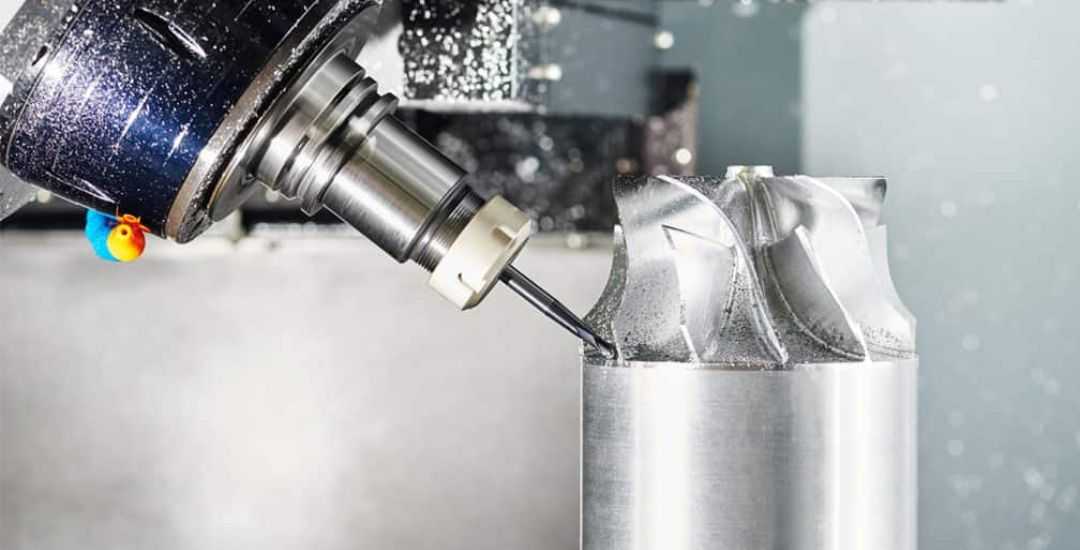
Choosing the appropriate iron alloy involves balancing performance, production processes, and cost. Several factors play a critical role in achieving the desired steel properties while maintaining efficiency.
| Key Factor | Considerations | Practical Guidance |
| Performance Requirements | Mechanical and chemical properties | Chromium and nickel improve corrosion resistance; vanadium and niobium increase strength and toughness |
| Steel Composition | Purity, carbon content, and alloy targets | Select alloy type and grade to meet specifications and minimize impurities |
| Production Method | Equipment and process type (converter, electric furnace, continuous casting) | Choose alloys compatible with the process to ensure uniform quality |
| יעילות עלות | Material costs and overall budget | Use alloys that meet performance needs without unnecessary expense; composite or lower-cost alternatives can optimize cost-effectiveness |
Careful consideration of these factors ensures that the selected iron alloy delivers the intended performance while remaining efficient and cost-effective. The choice of alloy directly influences steel quality, durability, and suitability for specific applications.
5. Applications of Iron Alloys Across Industries
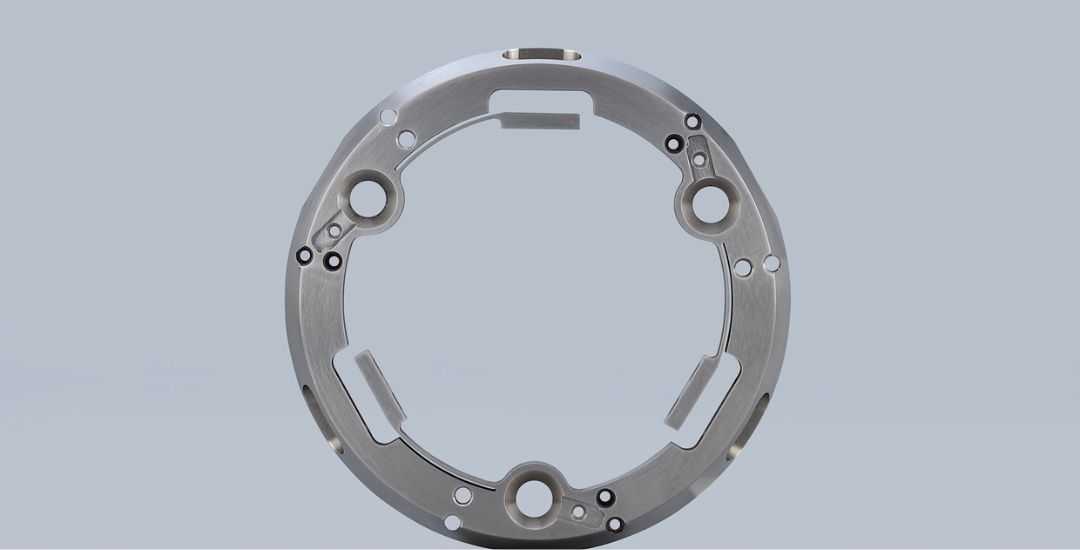
Iron alloys are essential for tailoring steel properties to meet the demands of different industries:
בְּנִיָה
Ferromanganese and silicomanganese enhance rebar strength, ductility, and weldability, supporting safe and durable structures.
רכב
Microalloys such as ferrovanadium and ferroniobium increase steel strength and toughness while reducing weight, helping improve vehicle safety and fuel efficiency.
Stainless and Tool Steels
Alloys like ferrochromium, ferronickel, and ferromolybdenum improve corrosion resistance, hardness, and machinability, ensuring long-lasting and precise components.
תעשיית החשמל
Ferrosilicon supplies silicon for magnetic steels, boosting efficiency in transformers, motors, and other electrical equipment.
Casting
Silicon-based alloys and rare-earth ferrosilicon act as inoculants and grain refiners, enhancing cast iron structure and consistency.
These examples show how iron alloys shape steel’s performance in practical ways, making it stronger, more reliable, and better suited for specific applications.
מַסְקָנָה
Iron alloys may not be visible in finished products, yet they form the invisible backbone of modern industry. From skyscrapers to railways, and from household appliances to advanced machinery, iron alloys enable steel to perform better, last longer, and adapt to new technologies.
As materials science continues to evolve, choosing the right iron alloy is key to achieving the desired performance and reliability. Consulting a trusted supplier like the Beska team, who can ensure access to high-quality alloys and expert guidance for selecting the most suitable materials for any application.
צלול עמוק יותר לתוך המשאבים שלנו
לקריאה מעמיקה, אספנו עבורך רשימה של מאמרים מומלצים:
 Hebrew
 English
 Turkish
 French
 Russian
 German
 Spanish
 Portuguese