


In manufacturing, the way components are joined can make or break product performance and assembly efficiency. You may often face a crucial challenge: how to ensure structural stability, long-term reliability, and cost-effective assembly when deciding between riveting and screwing.
Rivets offer permanent, vibration-resistant connections, well-suited for high-load or sealed applications, while screws provide removable joints, making maintenance and part replacement straightforward. Each method has distinct advantages, limitations, and material compatibility considerations that can significantly affect the final product.
This article examines the operating principles, strengths, weaknesses, and practical applications of riveting and screwing, giving you a clear guide to make informed choices that optimize both performance and production outcomes of the metal machining projects.
1. What Is Riveting?

Riveting forms connections through plastic deformation, creating permanent joints that lock components securely. The process typically involves drilling aligned holes, inserting the rivet, and applying force via hand, pneumatic, or hydraulic tools to expand the rivet shank, forming a head that prevents separation.
Types of riveting:
- Cold riveting: This method applies pressure at room temperature, making it ideal for ductile metals such as aluminum and copper. It is widely used in automotive body panels and electronics enclosures, where the material’s plasticity allows secure connections without heat.
- Hot riveting: In this technique, rivets are heated to 60%-80% of their melting point to increase plasticity. Hot riveting is well-suited for steel structures, bridges, and other heavy-duty applications that require strong, permanent joints.
- Specialty riveting: Methods such as blind (pop) rivets or self-piercing rivets are designed for convenience and automation. These are commonly applied in high-volume production lines, for example, in assembling electric vehicle battery housings.
Key advantages:
Riveting creates permanent connections that cannot be removed without damaging either the rivet or the surrounding components. This permanence ensures exceptional reliability, particularly in environments subject to vibration or high structural loads, making riveting the preferred choice for applications where joint stability is critical.
2. What Is Screwing?
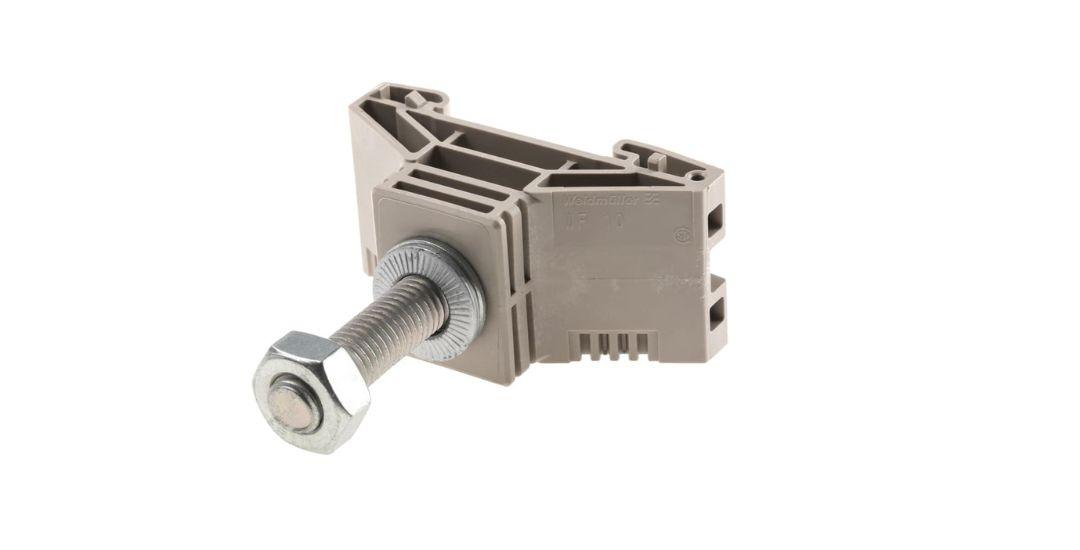
Screws create joints by converting rotational motion into axial force through their threads, compressing the connected components together. The process typically involves tapping threaded holes or using pre-installed nuts, inserting the screws, and applying torque to generate a clamping force that holds the parts securely.
Types of screw connections:
- General-purpose screws: These include hex or Phillips head screws, which are suitable for low-load applications. They allow easy assembly and disassembly, making them ideal for products that require occasional maintenance or adjustments.
- High-strength bolts: Made from alloy steels such as grades 8.8 or 10.9, these screws can withstand high tensile and shear loads. They are commonly used in heavy machinery, wind turbines, and other applications demanding robust and durable connections.
- Anti-loosening screws: Equipped with features like spring washers, lock nuts, or thread-locking compounds, these screws are designed to resist loosening in vibration-prone environments. They are particularly suited for automotive engines, aerospace assemblies, and other high-vibration applications.
Key advantage:
Screws provide removable joints, allowing repeated assembly and disassembly without damaging the components. This makes them highly practical for products that require maintenance, part replacement, or upgrades, offering flexibility that permanent methods like riveting cannot provide. Properly selected and installed screws can combine strength with ease of service, making them versatile for a wide range of industrial and mechanical applications.
3. Joint Strength and Airtightness: Riveting vs Screwing
When evaluating fastening methods, it is essential to consider not only the mechanical strength of the joint but also its ability to maintain airtightness under load.
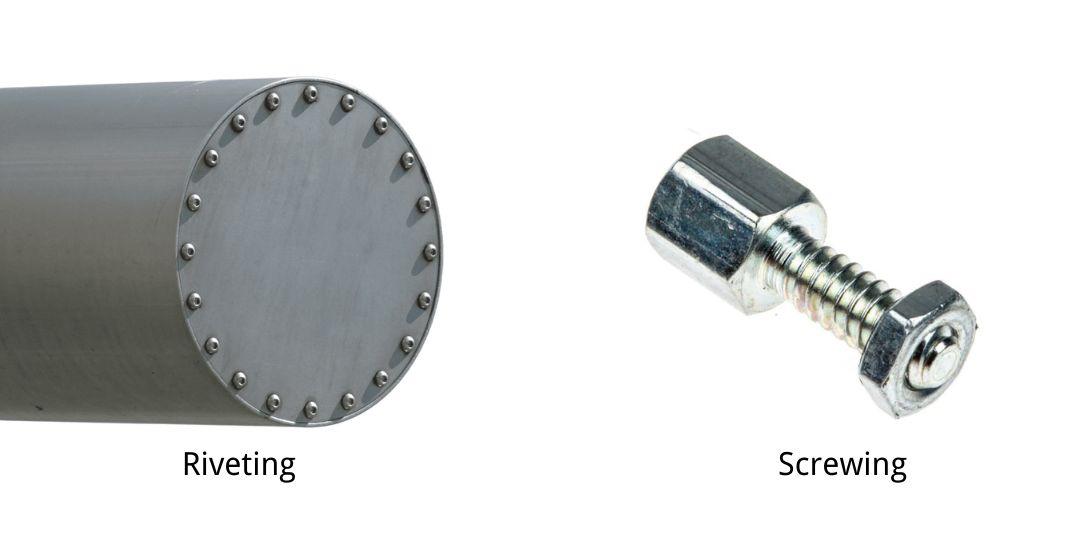
3.1 Connection Strength
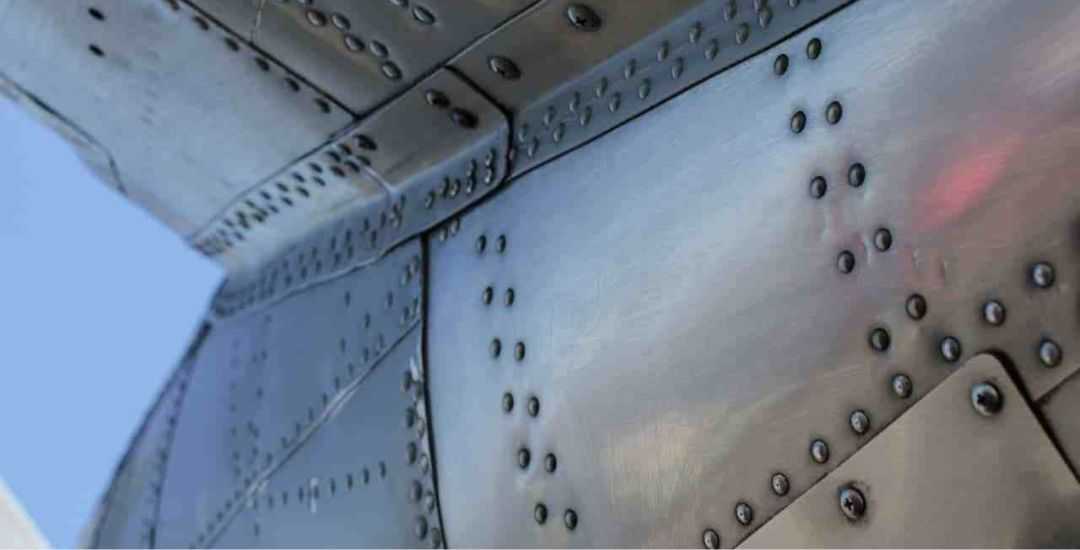
Rivets provide excellent shear strength, vibration resistance, and consistent performance. They are ideal for applications where shear loads dominate, such as aircraft skins, bridges, or heavy machinery. The permanent deformation of rivets ensures that joints remain secure over time, even under repeated stress or vibration.
Screws, in contrast, offer high tensile strength and rely on properly applied preload torque to maintain joint integrity. While they resist separation effectively when tightened correctly, screws may loosen under vibration if anti-loosening measures, such as lock nuts or thread-locking compounds, are not employed.
Rivets are superior in shear-intensive and vibration-prone applications, whereas screws excel in tensile load resistance and allow for controlled preload adjustment.
3.2 Sealing and Airtightness
Riveting can provide partial sealing due to the deformation of the rivet within the hole. When combined with sealants or specialized rivets, such as blind or hollow types, riveted joints can achieve excellent fluid- and airtight performance. This makes them suitable for fuel tanks, marine compartments, and other applications where inherent sealing is critical.
Screw connections do not inherently create a seal; airtight or watertight performance depends on the use of gaskets, O-rings, or sealing compounds. While screws allow removability, achieving a reliable seal requires additional components or treatments.
For applications requiring inherent sealing, rivets are generally the preferred choice, while screws offer flexibility but need supplementary sealing solutions.
In terms of joint strength and airtightness, riveting offers unmatched performance under shear loads, vibration, and potential sealing, whereas screws provide tensile strength and adjustability, making them suitable for applications requiring maintenance or flexibility.
4. Assembly Flexibility and Maintenance of Riveting and Screwing

When selecting a fastening method, ease of assembly, disassembly, and ongoing maintenance are crucial factors, especially for products that require periodic inspection, upgrades, or modular design. The following comparison highlights how rivets and screws perform in these contexts.
Riveting: Rivets create permanent joints through plastic deformation, which means they cannot be removed without destruction. Repairs or modifications require drilling out the rivet head and pushing out the shank, a process that is time-consuming and can slightly damage the surrounding material. This limitation makes riveting less suitable for products that need frequent maintenance, part replacement, or design adjustments after initial assembly.
Screwing: Screws provide fully removable connections. They allow repeated assembly and disassembly without damaging the components, making them ideal for maintenance-heavy applications. For example, electronic enclosures, automotive panels, and machinery housings often use screws to facilitate inspection, component replacement, or modular upgrades. Anti-loosening measures such as lock washers, thread-locking compounds, or torque-controlled tightening ensure that removable joints remain secure even under vibration.
For applications where regular maintenance, inspection, or modularity is required, screws offer clear advantages over rivets. While rivets excel in permanent, high-vibration environments, screws provide flexibility, ease of service, and adaptability for product updates.
5. Cost and Production Considerations: Riveting vs Screwing
Choosing the right fastening method affects both initial investment and long-term production efficiency. Understanding these cost implications is essential for effective assembly planning.
Riveting requires specialized tools and precise alignment, which increases upfront costs. However, it is highly efficient in large-scale automated production, as robotic or automated rivet systems can complete joints quickly and consistently. Manual riveting is also fast and requires minimal training. While initial investment is higher, unit costs decrease significantly in high-volume manufacturing.
Screws have lower initial costs and need only basic tools. Assembly can be slower when precise torque is required, and long-term maintenance or retightening may add to operational costs, especially in high-vibration or frequently used applications.
Rivets are cost-effective for high-volume, automated production, offering speed and consistency. Screws are more flexible with lower upfront costs, ideal for small-batch or on-site assembly.
6. Material and Application Suitability: Riveting vs Screwing
Selecting the appropriate fastening method requires careful consideration of material properties, assembly constraints, and design requirements. The following table summarizes the key differences between riveting and screwing across several practical factors:
| גוֹרֵם | סִמרוּר | Screwing |
| תאימות חומרים | Works well with ductile metals and dissimilar materials, including thin or thick sheets and composites. Does not rely heavily on base material strength. | Requires sufficient hardness and strength in both the screw and base material. Thin or soft metals often need threaded inserts. |
| Weight & Space | Allows lightweight, single-sided installation. Ideal for space-constrained or compact designs. | Typically requires two-sided access. Screw/nut combinations can increase weight and require more installation space. |
| Aesthetics | Exposed rivets create a rugged, industrial appearance, suitable for structural or visible applications. | Screws can be countersunk or covered for a clean, streamlined look, ideal for consumer-facing or high-end products. |
| Technological Developments | Specialty rivets such as self-piercing or blind rivets improve efficiency and automation. | Thread-locking adhesives and high-lock bolts enhance vibration resistance and combine benefits of rivets and screws. |
Riveting is often the preferred choice for joining dissimilar or soft materials, lightweight assemblies, or industrial aesthetics. Screws excel in modular, adjustable, or visually streamlined applications, especially when maintenance and disassembly are required.
7. When to Choose Riveting or Screwing
In practice, the choice between rivets and screws often comes down to the specific needs of the product and its operating environment.
- Prefer riveting when: A permanent connection is required, vibration or high-load tolerance is critical, sealing performance is needed without maintenance, or large-scale automated production prioritizes efficiency and lightweight design.
- Prefer screwing when: Frequent disassembly or maintenance is necessary, the load is moderate, small-batch production or on-site assembly is needed, or precise pre-load torque control is important.
Riveting and screwing are complementary technologies; the optimal choice depends on performance requirements, application context, and cost considerations.
מַסְקָנָה
Rivets excel in applications requiring permanent, vibration-resistant, and shear-stable joints, making them ideal for high-load or sealed assemblies. Screws, on the other hand, offer removable, adjustable, and maintenance-friendly connections, suitable for modular designs or equipment that requires frequent inspection or part replacement.
Choosing the right fastening method should account for material properties, production volume, assembly constraints, and long-term maintenance requirements. Consulting an experienced supplier like the Beska team, who can recommend the optimal solution and provide CNC machining or sheet metal fabrication services helps ensure efficient production, reliable performance, and durable assemblies that meet both engineering and operational demands.
צלול עמוק יותר לתוך המשאבים שלנו
לקריאה מעמיקה, אספנו עבורך רשימה של מאמרים מומלצים:
 Hebrew
 English
 Turkish
 French
 Russian
 German
 Spanish
 Portuguese