


When components operate at elevated temperatures, conventional materials may lose strength, dimensional stability, or corrosion resistance. Heat-resistant alloys are designed to maintain performance under these conditions, but their high-temperature capability also makes them more challenging to machine.
CNC machining these materials requires different strategies from standard metals. Tool selection, cutting parameters, cooling methods, and workholding all influence machining stability and final part quality. This article explores common heat-resistant metals for עיבוד CNC, including Inconel, titanium alloys, stainless steels, and other superalloys, with a focus on material selection and production challenges.
1. What Are Heat-Resistant Metals?
In manufacturing, “heat-resistant” does not refer to a single temperature limit. It describes metals that maintain mechanical strength, dimensional stability, and corrosion resistance when exposed to elevated temperatures.
Compared with conventional steels, these alloys are designed to resist strength loss, creep, oxidation, and other temperature-related degradation. The required temperature capability depends on the alloy type and the application environment.
Common heat-resistant metals used in engineering include:
- Nickel-based superalloys (Inconel, Hastelloy, Waspaloy)
- Titanium alloys (Ti-6Al-4V / Grade 5)
- Stainless steels (310, 316)
- Refractory metals such as tungsten and molybdenum
- Cobalt-based alloys such as Haynes 188
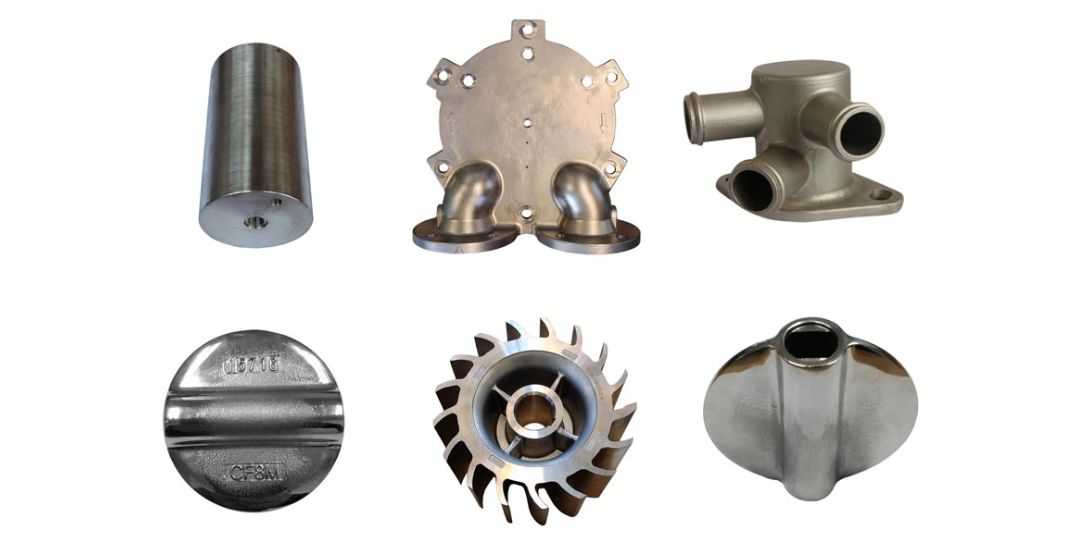
Many of these materials are classified within ISO material group S, which covers heat-resistant superalloys and titanium alloys. They are widely used in aerospace, energy, chemical processing, and other industries where elevated-temperature performance is required.
2. Key Properties to Evaluate
Several material properties determine whether a heat-resistant alloy can perform reliably in service and remain practical to machine during production.
Strength Retention
This describes how well a material maintains its mechanical strength at elevated temperatures. High-temperature alloys are designed to resist strength loss when conventional metals begin to soften.
Creep Resistance
Creep is the gradual deformation of a material under constant load over time. It becomes a critical consideration for components exposed to high temperatures and continuous mechanical stress.
Oxidation and Corrosion Resistance
Heat-resistant materials must withstand hot gases, moisture, and chemical exposure. Alloying elements such as chromium and אֲלוּמִינְיוּם improve resistance to oxidation in many high-temperature environments.
מוליכות תרמית
Low thermal conductivity causes heat to remain concentrated near the cutting zone during CNC machining, increasing tool wear and making temperature control more difficult. Titanium alloys and nickel-based superalloys are common examples of materials with relatively low thermal conductivity.
Coefficient of Thermal Expansion (CTE)
CTE affects dimensional stability when components experience temperature changes or when different materials are assembled together. It is especially important for precision parts with tight dimensional requirements.
A material that performs well in one area may still be unsuitable if another property does not match the application. The operating temperature, load conditions, environment, and machining requirements should all be considered before selecting a heat-resistant alloy.
3. Common Heat-Resistant Metals for CNC Machining
Heat-resistant alloys are selected for applications where conventional metals cannot maintain sufficient strength, dimensional stability, or corrosion resistance at elevated temperatures. However, the same properties that provide high-temperature performance often make these materials more challenging to machine.
The following materials are commonly used in CNC machining because they offer a balance between temperature capability, mechanical performance, and application requirements.
Inconel (Nickel-Based Superalloy)
Inconel is one of the most widely used nickel-based superalloys for high-temperature applications. Many Inconel grades are designed for environments above 600°C, depending on alloy composition and service conditions.
From a machining perspective, Inconel is difficult because of its low thermal conductivity, high cutting forces, and strong work-hardening tendency. Heat remains concentrated near the cutting zone instead of being carried away with the chip, which accelerates tool wear. Successful machining requires rigid setups, sharp tooling, stable cutting parameters, and effective heat management.
Common applications include gas turbine components, aerospace engine parts, nuclear equipment, and oil and gas components.
Titanium Alloys (Grade 5 / Ti-6Al-4V)
Titanium alloys provide an excellent strength-to-weight ratio together with strong corrosion resistance, making them widely used in aerospace and medical applications.
The main CNC machining challenge with titanium is heat concentration. Its low thermal conductivity keeps cutting heat near the tool edge, increasing tool wear and reducing tool life. Titanium is also chemically reactive at elevated cutting temperatures, which requires careful control of cutting speed, tooling, and cooling conditions.
Carbide tools, appropriate coatings, high-pressure coolant, and stable machining parameters are commonly used to improve process reliability.
Typical applications include aerospace structural components, compressor parts, medical implants, and lightweight performance components.
Stainless Steel (Grades 304, 316, and 310)
Stainless steels are widely used because they combine corrosion resistance, strength, and relatively practical machining characteristics.
Different stainless grades serve different purposes. Grades 304 and 316 are commonly selected for corrosion-resistant environments, while higher-alloy grades such as 310 are better suited for elevated-temperature applications where oxidation resistance is important.
During CNC machining, austenitic stainless steels require careful control because they work-harden easily. Excessive rubbing or unstable cutting conditions can create a hardened surface layer, increasing tool wear and reducing machining stability. Sharp tools, consistent feed rates, and proper coolant application help prevent these issues.
Common applications include heat exchangers, industrial equipment, exhaust components, marine parts, and food processing equipment.
Hastelloy (Nickel-Based Alloy)
Hastelloy alloys are designed for environments that combine high temperature with aggressive chemical exposure. They provide strong corrosion resistance while maintaining mechanical performance under demanding conditions.
Similar to Inconel, Hastelloy is challenging to machine because of its high strength and work-hardening tendency. Cutting forces can increase quickly if machining parameters are not controlled properly, leading to accelerated tool wear. Advanced cooling approaches, including minimum quantity lubrication (MQL) and cryogenic cooling methods, can improve tool life in some applications.
Typical uses include chemical processing equipment, aerospace components, nuclear applications, and oil and gas equipment.
Tungsten and Tungsten Alloys
Tungsten has the highest melting point among metals and maintains excellent strength at extreme temperatures. It is used in specialized applications such as high-temperature components, electrical contacts, and certain aerospace applications.
Machining tungsten is challenging because of its high hardness, density, and low machinability. Rigid machine setups, suitable tooling, controlled cutting parameters, and effective cooling are required to achieve acceptable tool life and surface quality.
Because of its machining difficulty, tungsten is typically reserved for applications where its unique temperature capability justifies the additional manufacturing challenges.
Molybdenum and Molybdenum Alloys
Molybdenum retains high strength and stiffness at elevated temperatures, while TZM alloys improve performance through additions of titanium, zirconium, and carbon.
The main machining challenges come from its hardness and abrasive characteristics. Specialized tooling and carefully controlled machining parameters are required to achieve stable production and acceptable surface finish.
Common applications include furnace components, aerospace parts, electronics, and other high-temperature systems.
These materials share a common machining challenge: the properties that allow them to perform in extreme environments often increase cutting difficulty. Reliable CNC machining of heat-resistant alloys requires the right combination of tooling, cutting parameters, cooling strategy, and process control.
4. Heat-Resistant Metals Comparison for CNC Machining
The following comparison highlights the differences between common heat-resistant metals used in CNC machining. It provides a starting point for material screening, while final selection should consider the operating environment, mechanical requirements, and machining process.
חוֹמֶר | Max Service Temp | מוליכות תרמית | יכולת עיבוד | Primary Strength |
Inconel 718 | ~620°C | 11.4 W/m·K | Poor | Creep and oxidation resistance |
Titanium Grade 5 | ~600°C | ~6.7 W/m·K | Poor | Strength-to-weight ratio |
Stainless 316 | ~800°C | ~16 W/m·K | לְמַתֵן | Corrosion resistance |
Hastelloy | ~870°C | ~10 W/m·K | Poor | Chemical and heat resistance |
ווֹלפרָם | >3,000°C | 174 W/m·K | Very Poor | Melting point and density |
Note: Service temperature limits depend on alloy grade, loading conditions, environment, and exposure time. Machinability ratings are relative comparisons based on common CNC machining experience.
5. Practical Machining Considerations
Machining heat-resistant alloys requires different strategies from conventional steels and aluminum. Tool selection, heat management, work hardening control, and machine rigidity all influence machining stability and final part quality.
בחירת כלי
Heat-resistant alloys place high demands on cutting tools because of their strength, toughness, and low thermal conductivity. Carbide tools with appropriate coatings are commonly used for nickel-based alloys and titanium. In some applications, ceramic tooling can provide higher productivity when cutting conditions and machine capability allow.
The correct tool grade, cutting speed, feed rate, and depth of cut must be matched to the specific alloy and machining operation.
Cooling and Lubrication
Heat-resistant alloys retain cutting heat near the tool edge because of their poor thermal conductivity. Effective coolant delivery helps control temperature, remove chips, and reduce tool wear. High-pressure coolant, minimum quantity lubrication (MQL), and cryogenic cooling methods are used in demanding applications to improve machining stability.
הקשחת עבודה
Many heat-resistant alloys develop a hardened surface layer during machining. This increases cutting forces and accelerates tool wear, especially when tools rub instead of cutting effectively. Maintaining proper feed rates, avoiding excessive dwell time, and using stable cutting parameters help minimize work-hardening effects.
Surface Finish and Burr Formation
Nickel-based alloys and other superalloys can produce burrs during drilling, grooving, and milling operations. Tool geometry, chip evacuation, and cutting conditions have a direct impact on surface quality and edge condition.
Machine Rigidity
Heat-resistant alloys generate high cutting forces, making machine rigidity and workholding stability critical. A rigid setup, sufficient spindle power, and proper fixturing help maintain dimensional accuracy, improve surface finish, and extend tool life during production.
6. Application Examples of Heat-resistant Metals
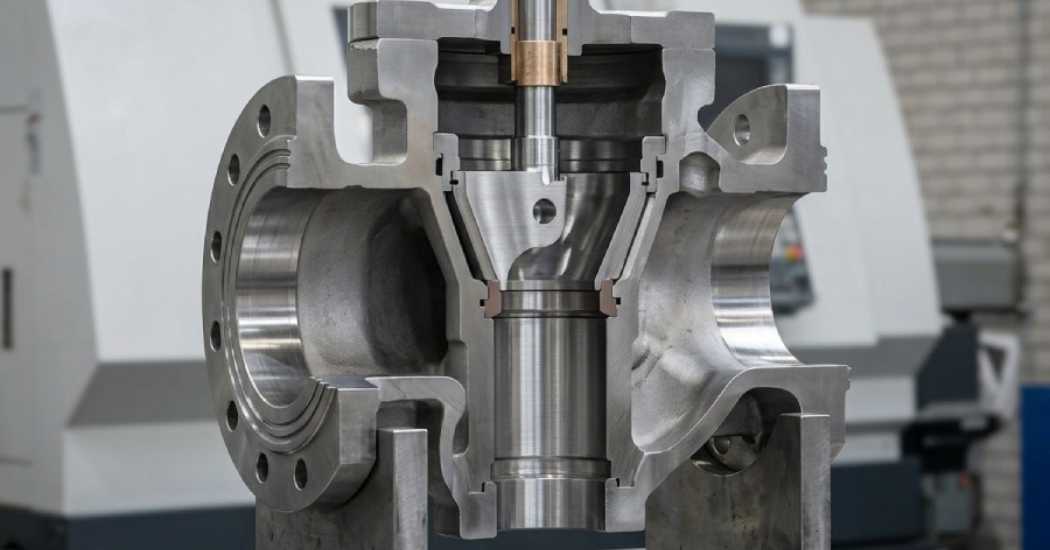
Heat-resistant metals are selected based on the operating environment, mechanical requirements, and reliability expectations of the final component. The following examples show how material performance requirements influence both material choice and machining strategy.
Gas Turbine Blades (Inconel 718)
Gas turbine blades operate under high temperatures and mechanical loads, making creep resistance and oxidation resistance critical factors. Inconel 718 is commonly used because it maintains performance in demanding thermal environments.
The machining challenge comes from complex blade geometries and the material’s low thermal conductivity. 5-axis machining, rigid setups, suitable tooling, and effective coolant delivery are required to maintain process stability.
Aerospace Fasteners (Titanium Grade 5)
Titanium Grade 5 is widely used in aerospace applications where strength-to-weight ratio and corrosion resistance are important. The weight advantage becomes significant when many fasteners are used throughout an aircraft structure.
Machining titanium requires careful control of cutting parameters because heat remains concentrated near the cutting edge. Proper tooling, coatings, and stable feeds help reduce built-up edge and work-hardening issues.
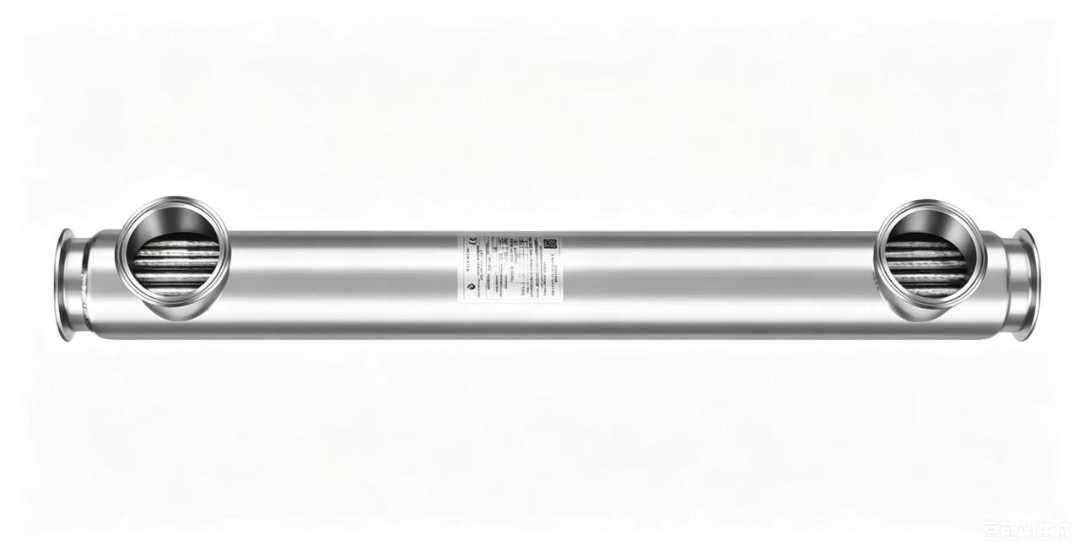
Heat Exchanger Components (Stainless Steel 316)
Stainless Steel 316 is commonly selected for heat exchanger applications because it provides corrosion resistance and a practical balance between performance and cost compared with higher-alloy materials.
During machining, work hardening can become a challenge. Consistent feed rates, sharp carbide tools, and stable cutting conditions help maintain surface quality and tool life.
Chemical Reactor Components (Hastelloy C276)
Hastelloy C276 is used in chemical processing environments where both corrosion resistance and high-temperature capability are required. Its combination of properties makes it suitable for demanding chemical applications.
The main machining challenges are high cutting forces and rapid tool wear. Careful parameter control and advanced cooling methods may be required for stable production.
In these applications, material selection is driven by operating requirements first. The manufacturing process must then be adapted through appropriate tooling, machining strategies, and process control.
7. When to Choose Heat-Resistant Metals
Heat-resistant metals are not required for every high-temperature application. The right choice depends on operating temperature, mechanical loading, environmental exposure, and production requirements.
Choose heat-resistant metals when:
- Conventional materials cannot maintain sufficient strength or dimensional stability at operating temperatures
- Long-term loads require creep resistance
- Oxidation or corrosion resistance is required in high-temperature environments
- The application requires reliable performance under demanding conditions, such as aerospace, energy, or chemical processing
Consider alternatives when:
- A standard alloy can already meet the required temperature and mechanical requirements
- Cost is the primary concern and extreme temperature performance is unnecessary
- Alternative materials, including specialized polymers or lower-cost alloys, can satisfy the application requirements
One factor that is often overlooked is assembly compatibility. When heat-resistant components are assembled with other materials, differences in thermal expansion can affect clearances, alignment, and sealing performance. Material selection should consider the complete assembly, not only the hottest component.
Peak temperature alone does not determine whether a material is suitable. Thermal cycling, mechanical loading, corrosion exposure, and manufacturing requirements all influence long-term performance. A material that performs well in one environment may not be the best choice in another.
In general, nickel-based alloys such as Inconel are selected when high-temperature strength and creep resistance are the priority. Titanium is preferred when weight reduction is important, while stainless steels remain practical when corrosion resistance and cost balance are the main considerations. The final choice should consider the complete operating environment and manufacturing requirements.
8. Heat-Resistant Metal CNC Machining Services
Selecting the right heat-resistant alloy is only the first step. These materials also require careful process planning, appropriate tooling, and stable machining conditions.
At Beska, we provide CNC machining services for difficult-to-machine materials, including heat-resistant alloys such as Inconel, titanium alloys, stainless steels, and Hastelloy.
Our capabilities include:
- 3-axis, 4-axis, and 5-axis CNC milling
- CNC turning with live tooling
- Tight-tolerance machining for critical features
- DFM feedback to improve manufacturability before production
A common question is: “What makes heat-resistant alloys more challenging to machine?”
Compared with conventional metals, these materials often generate higher cutting forces, retain more heat near the cutting zone, and require more careful control of tooling and machining parameters.
At Beska, we review material selection, part geometry, and production requirements early in the process to help customers understand manufacturability, cost factors, and potential machining challenges before production begins.
מַסְקָנָה
Heat-resistant metals allow components to perform in environments where conventional materials may not provide enough strength, stability, or corrosion resistance. However, these alloys are usually more difficult to machine because of their high strength, low thermal conductivity, and work-hardening behavior.
Material selection should start with the actual requirements of the part, including operating temperature, mechanical load, and service environment. The manufacturing process should be considered early, especially when working with difficult-to-machine alloys.
 Hebrew
 English
 Turkish
 French
 Russian
 German
 Spanish
 Portuguese