


Chrome plating removal is not simply a matter of taking the coating off. Decorative chrome, hard chrome, nickel underlayers, and different base metals can require very different stripping approaches, and the wrong process may alter dimensions or damage the exposed substrate.
A successful removal process starts with identifying the coating structure and understanding what the part needs after stripping. This article explains the main removal methods, how to select them for different component conditions, and what should be checked before machining, replating, or returning the part to service.
1. Identify the Chrome Plating Before Removal
Before stripping begins, the coating structure and base material need to be identified. A decorative chrome finish and an industrial hard-chrome coating may look similar at the surface, but they are built differently and can require different removal strategies.
Decorative Chrome
Decorative chrome is usually a thin chromium top layer applied over nickel, and some systems also include a copper underlayer. In this case, removing the visible chrome does not necessarily mean the entire plating system has been removed.
If the part will be refinished or replated, the required stripping depth depends on whether the chrome alone, the nickel layer, or the complete coating stack needs to be removed.
Hard Chrome
Hard chrome is a functional chromium coating used for wear resistance, friction control, or dimensional restoration on components such as shafts, rods, and tooling.
Unlike decorative systems, it is commonly treated as the working coating itself. Removal therefore needs to consider both the remaining substrate condition and the dimensions required after stripping.
Underlayers and Base Material
The material beneath the chrome is just as important as the coating on top. Steel, stainless steel, aluminum, and other substrates can respond differently to chemical, electrochemical, or mechanical stripping.
Nickel or copper underlayers may also need to remain in place or be removed, depending on the repair plan. For this reason, the stripping process should be selected only after the coating stack, substrate, and next manufacturing step are known.
2. Why Chrome Plating Is Removed
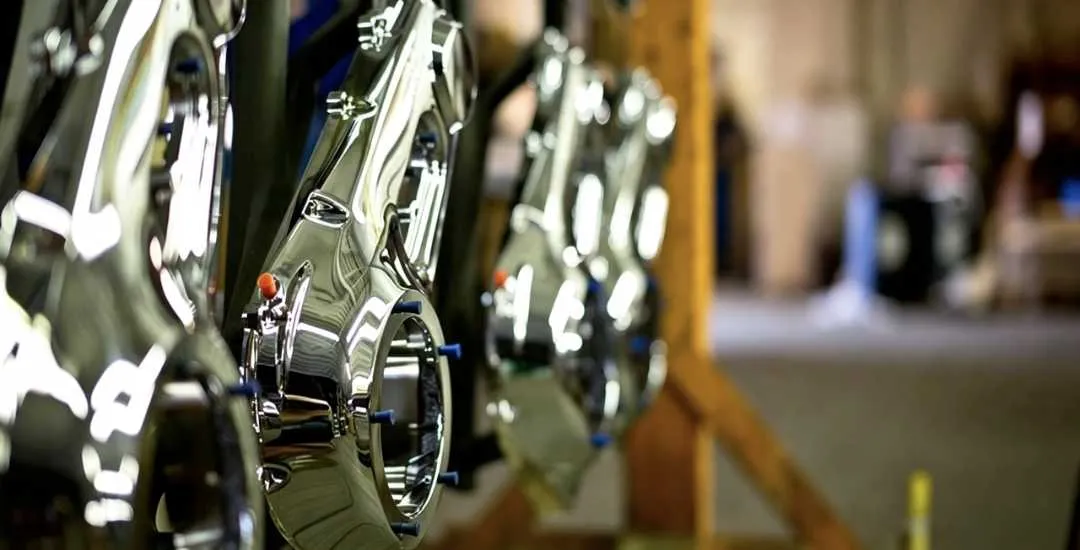
Chrome plating is usually removed when the existing coating can no longer meet the part’s functional or surface requirements.
Common reasons include worn, cracked, peeling, or damaged chrome that must be stripped before replating; dimensional correction when a plated surface needs to be restored; and replacement of the existing chrome with a different coating or surface finish.
The condition of the exposed substrate also matters. If severe pitting, corrosion, or damage is present beneath the coating, stripping may reveal that further repair is required before the part can be reused or replated.
3. Main Methods for Removing Chrome Plating
Chrome plating can be removed by electrochemical, chemical, or mechanical methods. Each method removes the coating in a different way, so the appropriate choice depends on the coating structure, substrate material, dimensional requirements, and what will happen to the part after stripping.
Electrochemical Stripping
Electrochemical stripping removes chromium by reversing the electroplating process. The plated component is connected as the anodic part of a controlled electrical system, allowing the chromium coating to be dissolved from the surface.
This method is often considered for hard-chrome components and other parts where coating removal needs to be closely controlled. It can be useful when dimensions must be preserved for subsequent grinding, machining, or replating.
Its suitability still depends on the substrate and material condition. High-strength steels, for example, may require additional consideration because some electrochemical and chemical processes can introduce hydrogen and create embrittlement concerns.
Chemical Stripping
Chemical stripping uses a formulated solution to dissolve or break down the plated layer without mechanical cutting.
Its effectiveness depends on selectivity: the stripping chemistry needs to remove the intended coating without unacceptable attack on the substrate or any underlayer that must remain. This is particularly important with decorative chrome systems, where chromium may sit over nickel or copper.
Chemical stripping can be practical for complex shapes and coating systems where mechanical access is difficult, but the substrate and complete plating stack need to be identified before the process is selected.
Mechanical Removal
Mechanical removal uses grinding, abrasive finishing, or other physical methods to remove the chrome layer.
Unlike chemical or electrochemical stripping, the abrasive does not stop automatically at the coating interface. Once the chrome is removed, the same process can begin removing or altering the base material. This makes dimensional control and surface integrity important considerations.
Mechanical removal can be useful for localized rework, surface restoration, or components that already require grinding or machining after stripping. It is less suitable when the original substrate dimensions must remain essentially unchanged.
Comparison of Chrome Removal Methods
| שִׁיטָה | Main Advantage | Main Limitation | Typical Consideration |
| Electrochemical | Controlled coating removal | Requires compatible process and equipment | Precision refurbishment |
| Chemical | Removes coating without mechanical cutting | Chemistry may attack substrate or underlayers | Coating and substrate compatibility |
| Mechanical | Direct physical removal | Can also remove or alter substrate | Local rework or planned dimensional correction |
The comparison provides a starting point rather than a fixed selection rule. The same chrome coating may require a different removal approach when the substrate, tolerance, coating stack, or next manufacturing step changes.
4. How to Choose the Right Removal Method
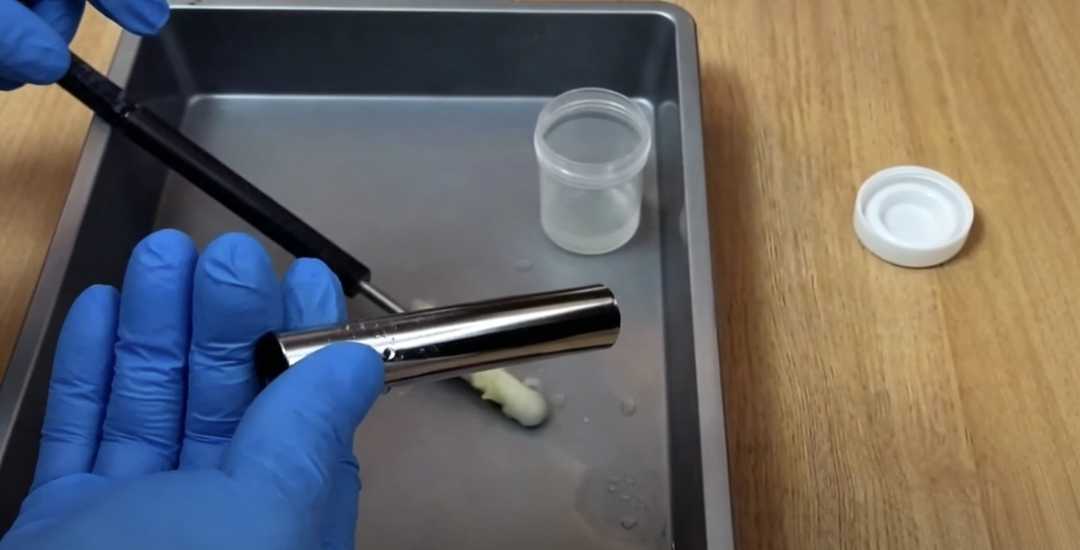
The right chrome removal method depends on the complete coating system and the condition of the part. Decorative chrome with nickel or copper underlayers may require a different approach from hard chrome applied directly to a functional surface, and the substrate must also be compatible with the selected stripping process.
Dimensional requirements are equally important. Precision surfaces that need to remain close to their original size require tighter control, while parts scheduled for later grinding or machining may allow more material change. The decision also depends on whether only a damaged area needs to be stripped or the entire coating must be removed.
The next manufacturing step should be considered before stripping begins. Replating, machining, grinding, welding, or applying a different finish can each require a different substrate condition after removal.
High-Strength Steel and Hydrogen Embrittlement
Some chemical and electrochemical processes can introduce hydrogen into susceptible high-strength steels. Where this is a concern, stripping and any required hydrogen-relief treatment should follow the applicable material, plating, or customer specification.
5. Inspection and Rework After Chrome Removal
Once the chrome has been removed, the exposed substrate should be inspected before any new coating or finishing process begins. Stripping can reveal pitting, corrosion, cracks, wear, or previous damage that was hidden beneath the plating.
Critical dimensions should also be rechecked, especially on shafts, mold surfaces, bearing areas, and other functional features. If wear or previous processing has changed the geometry, grinding or machining may be required before the part can be replated or returned to its intended size.
Before replating, the surface also needs to meet the condition required by the next coating process. Final inspection should confirm the repaired geometry, surface condition, and any dimensions that are critical to the part’s function.
6. Safety and Environmental Considerations
Chrome removal can generate hazardous chromium-containing waste, corrosive process solutions, and contaminated residues. Depending on the stripping chemistry and original plating system, hexavalent chromium exposure may also be a concern.
Mechanical removal introduces a different risk because grinding or abrasive processes can generate chromium-containing dust. Appropriate ventilation, containment, personal protection, and waste handling are therefore required according to the process and applicable regulations.
Industrial chrome stripping should be carried out under controlled conditions with suitable environmental and occupational safety measures. Waste solutions, removed coating material, rinse water, and contaminated abrasives must be handled according to local regulatory requirements.
מַסְקָנָה
Removing chrome plating requires more than choosing between electrochemical, chemical, and mechanical methods. The coating structure, substrate material, dimensional requirements, and condition of the part all influence which approach is appropriate.
After stripping, the exposed substrate should be inspected and critical dimensions rechecked before machining, grinding, or replating continues. For susceptible high-strength steels or other critical components, any additional treatment should follow the applicable material and process specifications.
For parts that require dimensional restoration after chrome removal, Beska can support עיבוד CNC, grinding coordination, and final dimensional inspection before the next surface treatment.
 Hebrew
 English
 Turkish
 French
 Russian
 German
 Spanish
 Portuguese