


In precision manufacturing workflows, shaping the metal is only half the job. When parts need to resist wear, hold their shape, or handle high heat, heat treatment makes that possible.
This process of heat treatment goes far beyond simply making a part harder or stronger. It’s about tailoring the internal structure of the material to meet the specific demands of its intended application. That’s why heat treatment has been widely used from aerospace brackets and automotive shafts to surgical instruments and CNC-machined components.
In this article, we’ll take a closer look at what heat treatment is, where it’s commonly used, and why it’s often a key step in precision machining and fabrication workflows.
1. What Is Heat Treatment?
Heat treatment refers to a group of thermal processes used to modify the microstructure of metals and alloys. As part of many precision manufacturing workflows, this method involves heating a material to a specific temperature, holding it there for a designated time, and then cooling it at a controlled rate.

These controlled thermal cycles form the foundation of what is commonly known as industrial heat treatment, a process that significantly improves mechanical and physical properties such as hardness, strength, ductility, and corrosion resistance.
Heat treatment complements other manufacturing methods like casting, forging, and welding. When applied correctly, it enhances the performance, durability, and reliability of precision-machined components across multiple industries.
2. How Heat Treatment Works
The fundamental principle of the heat treatment process is to alter the internal microstructure of metals. This includes changes to grain size and phase composition, achieved by precisely controlling temperature and time.
Common microstructures affected include ferrite, austenite, pearlite, and martensite, each playing a key role in defining the metal’s mechanical properties.
Key Steps in the Heat Treatment Process
- Heating: The metal is heated to a critical temperature where phase transformations occur (for example, austenitizing in steel), enabling structural changes within the material.
- Soaking (Holding): The material is held at this temperature long enough to ensure a uniform transformation throughout the part, which is essential for consistent performance.
- Controlled Cooling: The cooling rate—whether by air, oil, water quenching, or furnace cooling—is carefully managed to achieve the desired microstructure, directly influencing properties like hardness, strength, and ductility.

Factors That Influence Heat Treatment
There are several variables impacting the results:
| גוֹרֵם | תֵאוּר |
| Heating Temperature | Depends on the material’s critical transformation points (e.g., Ac1, Ac3 for steel). |
| Soaking Time | Duration at temperature affects how completely phase transformations occur. |
| Cooling Rate | Controls final microstructure: slow cooling forms pearlite, fast cooling forms martensite. |
| Material Composition | Elements like carbon, chromium, nickel, and molybdenum impact hardenability and phase changes. |
These factors collectively determine how a material responds to heat treatment, making careful control essential for achieving the desired mechanical properties and performance in real-world applications.
3. The Advantages of Heat Treatment
Heat treatment offers several key benefits that improve the performance, reliability, and manufacturability of metal parts in various industries.

3.1 Enhancing Mechanical Properties
One of the primary benefits of heat treatment is boosting mechanical properties like hardness, strength, toughness, and wear resistance. For instance:
- Gears often undergo carburizing or induction hardening to increase surface wear resistance while preserving core toughness.
- Tools and dies require high hardness for durability, typically achieved through quenching and tempering.
- Shafts and hooks that face impact loads benefit from a quench and temper process, which balances strength and toughness.
3.2 Improving Machinability
Some metals are too hard or brittle to machine effectively. Heat treatment techniques such as spheroidizing and annealing soften the material or refine its structure, improving cutting efficiency and extending tool life. For example:
- Spheroidizing is commonly applied to high-carbon steel before cold forming or rolling.
- Annealing reduces hardness and internal stress in castings and forgings, making subsequent machining easier.
3.3 Relieving Internal Stresses
Residual stresses caused by casting, welding, or machining can lead to distortion or cracking. Stress relief heat treatment methods help stabilize parts and maintain dimensional accuracy:
- Stress-relief annealing is performed below transformation temperatures, followed by slow cooling to release internal stress.
- Precision components often require multiple stress-relief cycles during manufacturing to ensure stability.
3.4 Improving Physical and Chemical Properties
Beyond mechanical strength, heat treatment can also enhance other material properties such as thermal conductivity, electrical performance, and corrosion resistance. Examples include:
- Solution treatment of stainless steel improves corrosion resistance by dissolving carbides and forming a passive chromium-rich surface.
- Annealing densifies cast or sintered parts by eliminating porosity.
3.5 Refining Microstructure
Heat treatment enables manufacturers to control microstructure for consistent, high-quality results:
- Homogenizing annealing reduces chemical segregation in castings.
- Recrystallization annealing restores ductility and removes strain hardening effects after cold working.
These advantages show how heat treatment is not just a single process but a versatile set of techniques that improve materials’ performance, reliability, and manufacturability across industries.
4. Common Types of Heat Treatment
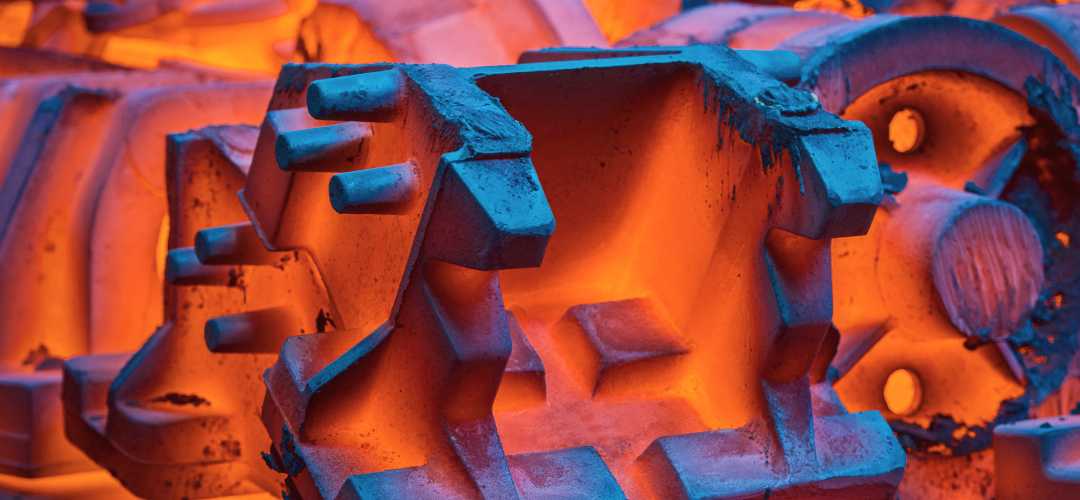
Different heat treatment methods are selected based on the desired material properties and the type of metal being processed. Here are some of the most common heat treatment processes used in manufacturing:
4.1 Annealing
- Purpose: Soften materials, improve ductility, and relieve internal stresses.
- Process: Heating above the critical temperature followed by slow furnace cooling to achieve uniform softening.
- Typical Applications: Castings, forgings, and welded components benefit from annealing to enhance machinability and reduce brittleness.
4.2 Normalizing
- Purpose: Refine grain structure to improve toughness and strength.
- Process: Heating above the critical temperature with subsequent air cooling for a more uniform and fine-grained structure.
- Typical Applications: Medium-carbon steels and low-alloy steels often undergo normalizing before further processing.
4.3 Quenching
- Purpose: Maximize hardness and wear resistance by forming martensitic structures.
- Process: Rapid cooling from the austenitizing temperature, usually using oil or water as the quenching medium.
- Typical Applications: Tools, dies, gears, and shafts require quenching for enhanced surface durability.
4.4 Tempering
- Purpose: Reduce brittleness caused by quenching while increasing toughness.
- Process: Reheating quenched parts to a lower temperature, followed by controlled cooling.
- Typical Applications: Springs, structural components, and high-strength fasteners benefit from tempering for improved performance.
4.5 Quenching and Tempering (Q&T)
- Purpose: Achieve a balance between high strength and good toughness.
- Process: Combines rapid quenching with high-temperature tempering to optimize mechanical properties.
- Typical Applications: Drive shafts, connecting rods, and axles in automotive and industrial machinery.
These widely used processes illustrate what heat treatment truly is: A set of controlled thermal techniques that transform metals to meet demanding performance requirements.
5. Common Surface Hardening Methods and Applications
Here’s a quick comparison of the most common surface hardening techniques and where they’re typically used:
| Surface Hardening Method | מַטָרָה | שִׁיטָה | יישומים אופייניים |
| Carburizing | Increase surface hardness while retaining core ductility | Heat in a carbon-rich environment | Gears, cams |
| ניטרידינג | Enhance surface hardness, wear, and corrosion resistance | Heat in nitrogen-rich atmosphere | Molds, precision components |
| Induction Hardening | Harden selected areas without affecting the entire part | Localized heating via electromagnetic induction | Shafts, crankshafts, gear teeth |
As materials and production demands evolve, combining these surface hardening techniques with precise heat treatment strategies is becoming an effective way to achieve superior performance.
6. Applications of Heat Treatment Across Industries
Heat treatment supports various industries by enhancing the performance and durability of metal parts.
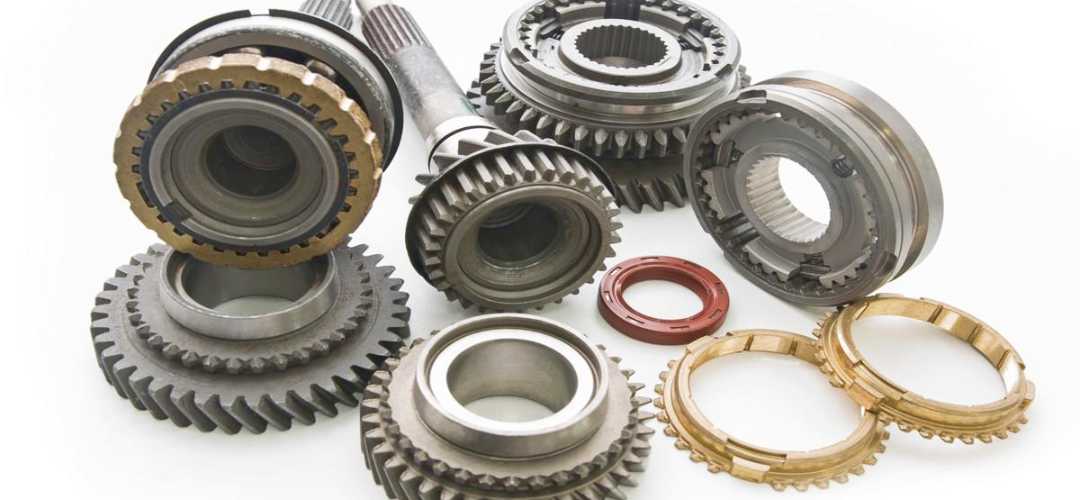
Mechanical Manufacturing
Heat treatment improves wear resistance, strength, and toughness in essential components:
- Gears: Carburized and tempered to increase surface hardness and durability.
- Shafts: Quenching and tempering (Q&T) ensure high strength and impact resistance.
- Fasteners: Treated to achieve an optimal balance of hardness and ductility.
Automotive and Rail
In automotive and rail applications, heat treatment extends component life and performance under stress:
- Engine components: Crankshafts and valves undergo heat treatment for fatigue resistance and wear reduction.
- Suspension and driveline parts: Processes enhance strength and surface hardness to withstand heavy loads.
תעופה וחלל והגנה
High-performance aerospace and defense parts rely on advanced heat treatment methods:
- Turbine blades and engine parts: Solution treatment and aging maintain strength and stability at elevated temperatures.
- Structural assemblies: Stress relief treatments prevent deformation and ensure dimensional accuracy in service.
Tooling and Molds
Durability and precision in tooling depend heavily on proper heat treatment:
- Cold work dies: Quenched and tempered for maximum hardness and wear resistance.
- Hot work tools: Treated to resist heat fatigue and thermal cracking.
- Plastic injection molds: Surface hardened to extend tool life and maintain mold precision.
Metallurgy and Material Processing
Heat treatment processes optimize material properties before and during manufacturing:
- Annealing before rolling: Enhances formability and reduces internal stress.
- Normalizing: Improves uniformity and mechanical properties in steel plates and rods.
- Specialty steels: Customized heat treatment sequences boost performance for applications like bearing steels.
Electronics and Precision Devices
Precision and stability are crucial in electronic and instrumentation components:
- Electronic housings: Stress-relief annealing prevents distortion after assembly.
- Precision gears and shafts: Treated to maintain dimensional accuracy and wear resistance.
- Magnetic materials: Controlled annealing optimizes magnetic and electrical properties.
Looking across these sectors, it’s clear that heat treatment is no longer just a finishing step but a strategic tool for engineers to fine-tune performance, reduce life-cycle costs, and gain a competitive edge.
7. Common Heat Treatment Issues and Solutions
Even with precise control, heat treatment can introduce challenges. Below are frequent issues and ways to address them:
Deformation and Cracking
Thermal stresses during heating and cooling may cause parts to deform or crack, especially in complex geometries. Common solutions include preheating materials to reduce thermal shock, applying controlled temperature ramps, and performing stress-relief annealing before quenching. Optimizing the cooling strategy can also minimize distortion in sensitive components.
Surface Oxidation and Decarburization
Exposure to air at high temperatures can lead to surface oxidation or decarburization, reducing hardness and surface quality. Using protective atmospheres such as inert gases or vacuum environments helps prevent these effects. Limiting furnace door openings and post-treatment grinding to remove affected layers are also effective practices.
Dimensional Variations
Heat-induced expansion and contraction may cause dimensional inconsistencies. To address this, designs should allow for thermal changes, and fixtures or jigs can support parts during heat treatment. Final finishing steps after heat treatment help ensure the required tolerances.
Inconsistent Hardness
Variations in hardness across parts can stem from uneven heating or cooling. Regular furnace calibration, proper part placement with adequate spacing, and maintaining uniform agitation and temperature in quenching media contribute to consistent hardness results.
Rather than treating these problems reactively, teams that build in preventive measures and process validation up front consistently achieve higher-quality parts and lower scrap rates
מַסְקָנָה
From carbon steel to tool steel, heat treatment fundamentally shapes its final properties. By carefully adjusting microstructures and mechanical characteristics, heat treatment transforms raw metals into components that meet exacting demands. It’s a cornerstone process in precision manufacturing that balances strength, durability, and performance.
If you have specific part drawings or need to confirm dimensions after heat treatment, it helps to consult with your manufacturing partner early. With the right process control, you can ensure both performance and precision in the final product. If you’d like to discuss how heat treatment can be tailored to your specific project requirements, feel free to להושיט יד the Beska team. We’re committed to delivering custom manufacturing solutions with surface treatment.
צלול עמוק יותר לתוך המשאבים שלנו
לקריאה מעמיקה, אספנו עבורך רשימה של מאמרים מומלצים:
 Hebrew
 English
 Turkish
 French
 Russian
 German
 Spanish
 Portuguese