


In a steel mill where electric arc furnaces run beyond 1600°C and in a laser welding setup where molten metal is controlled within microns, one fundamental thermophysical parameter quietly directs every stage of manufacturing. It determines when metal transitions from solid to liquid.
For stainless steel, the melting point is not just a number printed in material tables. It is a boundary that influences process feasibility, energy consumption, thermal deformation, corrosion stability at elevated temperature, and final component reliability.
This article explains how melting point works in stainless steel systems, why stainless alloys do not have a single fixed melting temperature, how composition affects melting range, and how this property guides decisions in welding, forging, casting, heat treatment, and high-temperature service environments.
1. Melting Point Matters: Stainless Steel Under the Heat

Nearly every processing method is temperature-dependent. Melting point is the anchor reference for thermal decision-making.
Melting defines the lower limit of furnace operation
In EAF or AOD/VOD refining, steel must be heated 150–250°C above liquidus to fully dissolve alloy components without excessive energy loss or refractory damage.
Melting range dictates solidification behavior
During casting and continuous casting, superheat (20–50°C over liquidus) ensures flow and mold filling without inducing cracking or segregation.
Melting sets safe upper limits for hot working
Forge or rolling temperatures sit below solidus by 100–300°C to allow deformation without overheating or partial melt formation.
Welding performance depends on melt matching
Differences in melting temperature between base metal and filler influence fusion quality, grain shape, and defect risk during cooling.
These melting behaviors guide how stainless steel moves from the furnace to finished shapes, shaping everything from micro-welds to large forged components.
2. How Alloying Elements Shape Stainless Steel’s Melting Behavior
Stainless steel is built on an iron base, enhanced with chromium, nickel, molybdenum, titanium, niobium, and carbon to achieve strength, corrosion resistance, and stability. Pure metals melt at fixed points (Fe ~1538°C, Cr ~1907°C, Ni ~1455°C). Once alloyed, however, the melting point becomes a range rather than a single number, influenced by elemental composition and microstructure.
Common stainless steel families and typical melting intervals:
| Type | Structure | Typical Melting Range | Key Traits |
| Austenitic (304, 316) | FCC | 1375–1420°C | Excellent ductility and corrosion resistance |
| Ferritic (430) | BCC | 1425–1510°C | Good oxidation resistance, lower cost |
| Martensitic (410) | BCC/Tetragonal | 1480–1530°C | High strength and hardness after heat treatment |
| Duplex (2205) | Mixed FCC and BCC | 1380–1450°C | High strength and improved chloride resistance |
The melting interval reflects the thermal energy required to disrupt each crystal structure. Engineers select stainless steel grades with this in mind, as melting point influences furnace capacity, forging windows, and heat treatment strategies.
3. Why Stainless Steel Has No Single Melting Point
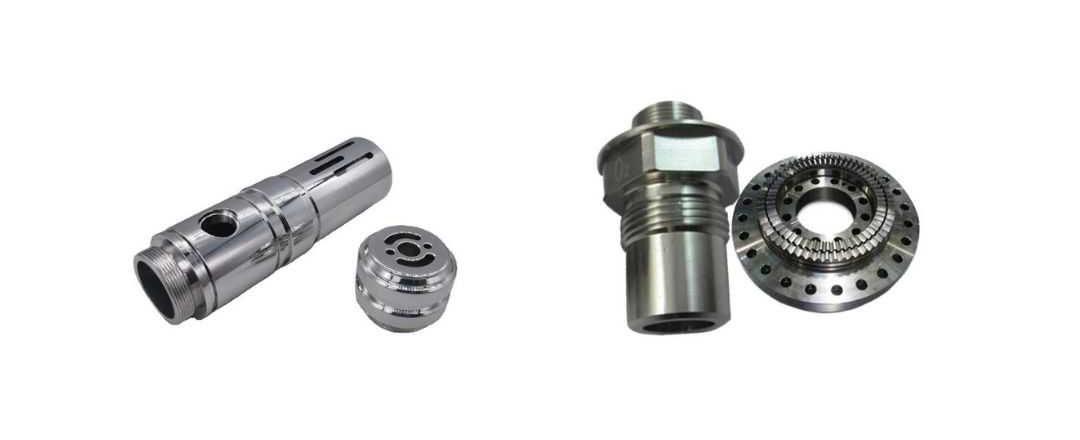
Search any reference source and you will find different values for stainless steel melting temperature. This variation is not an error. It is inherent to multi-element alloy systems. Key alloying elements and their influence:
Chromium: corrosion shield and melting adjuster
At 10.5–20% Cr, the melting point tends to increase slightly. Beyond 20%, changes in phase composition may reduce melting temperature instead of raising it.
Nickel: stabilizes austenite, reduces melting range
Higher Ni promotes FCC structure, improving ductility and weldability while gradually lowering the melting point.
Carbon: strengthens but makes melting more sensitive
Martensitic grades with 0.1–1.2% C melt at lower ranges than ferritic or austenitic grades. Carbon increases strength but narrows temperature stability when heated.
Mo, Ti, Nb: secondary modifiers
Molybdenum may slightly increase melting resistance while improving pitting corrosion. Titanium and niobium enhance stabilization and add marginal thermal elevation, useful in high-temperature or welded components.
Representative compositions and melting ranges
| Grade | Main Alloying Elements | Melting Range (°C) | Application Notes |
| 304 | 18–20% Cr, 8–10% Ni | 1400–1450 | General manufacturing, food equipment |
| 316 | Cr+Ni with 2–3% Mo | 1375–1450 | Marine, chemical, medical |
| 430 | Cr-only (low cost) | 1450–1500 | Appliances, heat-exposed housings |
| 310S | High Cr/High Ni | 1450–1500 | Furnaces, aerospace, extreme heat |
| 410/420 | 12–14% Cr, high C | 1400–1480 | Cutlery, valves, wear-resistant parts |
Stainless steel melts across a range because each element adjusts phase balance, and the final thermal behavior is the result of composition rather than a single temperature.
4. How Stainless Steel Melts Across Manufacturing Methods
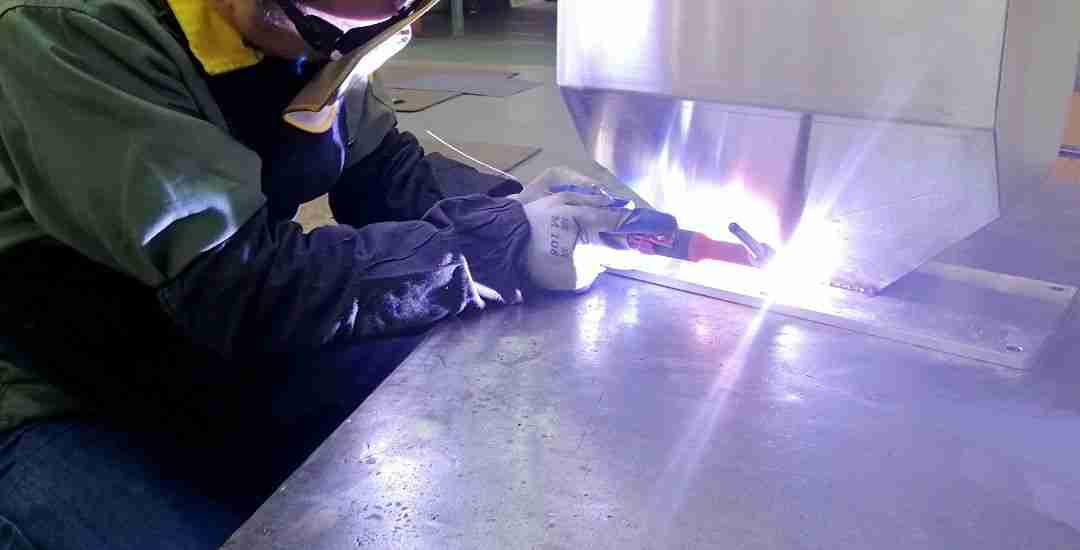
Stainless steel’s melting range influences how it behaves in various manufacturing processes:
- Casting: Superheat above the liquidus (typically 20–50°C) ensures smooth mold filling and uniform alloy distribution. Too little or too much heat can cause defects or material segregation.
- Forging and Rolling: Heating below the solidus by 100–300°C allows deformation without partial melting. Lower-melting austenitic grades need less heat, while ferritic or martensitic steels require higher temperatures.
- Welding and Cladding: Accurate temperature control prevents poor fusion, grain coarsening, or alloy loss. Each grade’s melting range dictates the optimal heat input.
- Additive Manufacturing: In laser or electron beam melting, controlling energy relative to the steel’s melting range avoids incomplete fusion, distortion, or microstructural issues.
Across all these processes, knowing the melting behavior helps engineers set temperatures that protect material integrity while achieving the desired shape and performance.
5. Performance and Safety: Melting Point as a Heat-Use Boundary
Stainless steel’s melting point defines the safe thermal limits for both industrial and everyday applications. Key points to consider:
- Structural stability under high heat: Exceeding the thermal softening threshold causes strength loss, deformation, and long-term creep. Partial melting may occur only at extreme temperatures.
- Industrial applications: Furnaces, kilns, and other equipment above 1000°C require high-melting grades like 310S. Lower-melting steels (e.g., 304) in these conditions oxidize faster, lose strength, and have shorter service lives.
- Everyday use: Cookware or metal tools subjected to prolonged dry heating can approach their softening range, leading to warping, thinning, or permanent shape changes.
- Material selection: Understanding melting points ensures the right stainless steel grade is chosen for both performance and safety under thermal stress.
This approach highlights how melting point acts as a practical boundary, guiding safe use and informed material choice across industries and daily life.
6. Common Misunderstandings About Stainless Steel Melting Point
Several points about stainless steel melting behavior are often misunderstood:
Higher melting point does not automatically mean better steel
The “best” stainless steel depends on application requirements. Corrosion resistance, weldability, mechanical strength, and cost often matter more than a high melting temperature.
Not all stainless steel melts at the same temperature
Different alloy compositions create a range of melting points. Variations between grades can exceed 100°C, reflecting differences in chromium, nickel, carbon, and other alloying elements.
Material properties can change below the melting point
Even without reaching the melting range, high temperatures (600–1000°C) can alter strength, ductility, corrosion resistance, and oxidation behavior. Designers must consider these shifts for safe, reliable operation.
Higher melting point doesn’t automatically mean better performance. Consider corrosion resistance, weldability, and cost alongside thermal tolerance.
Conclusion
The melting point of stainless steel is a key thermal property that influences alloy design, furnace operation, casting, welding, hot-working, and high-temperature performance. Engineers who understand the melting range can select the right grade, optimize processing, and reduce the risk of component failure.
When planning precision parts or high-temperature components, knowing the thermal behavior of your material is only part of the solution. Consulting an experienced CNC machining supplier like the Beska team ensures that the chosen stainless steel is processed correctly, maintaining dimensional accuracy, surface quality, and overall reliability.
Dive Deeper Into Our Resources
For some insightful reads, we’ve curated a list of recommended articles just for you:
- How to weld stainless steel
- CNC machining stainless steel
- Stainless steel machinability chart
- Laser engraving on stainless steel
 English
 Hebrew
 Turkish
 French
 Russian
 German
 Spanish
 Portuguese