

Galvanizing Service
Galvanizing Service with Beska

How to make the metal parts more corrosion resistant? Our hot-dip galvanizing process doesn’t just coat steel. It can transform the parts. What’s the process? By immersing components in molten zinc at 450°C, we can create a bonded layer of galvanized steel with a coating thickness of 85-120 microns. The thickness is far exceeding industry standards.
You’ll see the difference in the details. How do we perfect the parts? The Beska team applies precise temperature controls to ensure every bolt, beam, or custom metal piece emerges with a uniform finish that laughs off rust. Need custom solutions? We would like to customize your metal parts through CNC machining with galvanizing.
Applicable Materials for Galvanizing
Steel
Steel is perfect for galvanizing because it is durable and versatile. When galvanized, it becomes even more resistant to corrosion, which is crucial for applications like car brakes and engines. Galvanizing steel also enhances its longevity, ensuring that it remains strong and efficient in harsh conditions. This makes galvanized steel ideal for both industrial and everyday uses.
Mild Steel
Mild steel benefits greatly from galvanizing due to its high hardness and abrasion resistance. Galvanizing adds a protective zinc layer, making it more resistant to rust and wear. This treatment extends the lifespan of mild steel tools and components, ensuring they remain effective and reliable. It’s especially useful for tools and applications requiring durability under stress.
Galvanized Steel
Galvanized steel has been treated with zinc to improve its corrosion resistance. This process creates a strong bond between the zinc and steel, making it exceptionally durable and rust-resistant. The enhanced properties make galvanized steel ideal for outdoor and industrial applications where long-lasting performance is needed. Its durability and resistance to environmental damage make it a top choice for many uses.


Types of Galvanizing
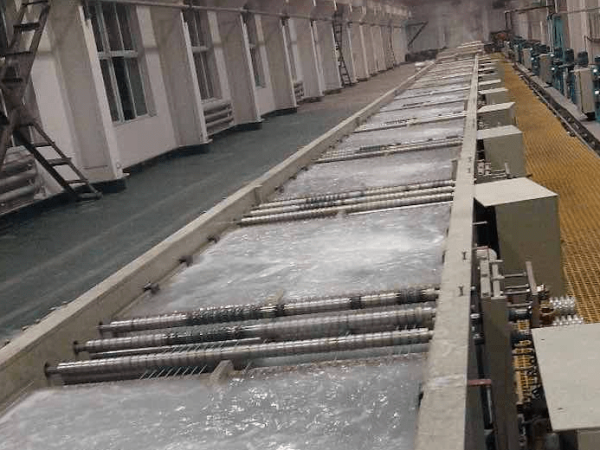
Hot-Dip Galvanizing
Hot-dip galvanizing is a popular method where metal parts are dipped into a bath of molten zinc. Here’s the interesting part, this process creates a thick coating that offers excellent protection against corrosion and rust. It is ideal for large structural components and outdoor applications. The durability and long-lasting nature of hot-dip galvanizing make it a preferred choice for many industrial uses.
Electrogalvanizing
Mechanical Plating
Other Post Processing

Chrome Plating
It’s a process that coats a metal surface, typically steel, with a thin layer of chromium through electroplating. This coating improves the metal part’s durability, corrosion resistance, and aesthetic appeal.

Heat Treatment
The process involves heating the material to a specific temperature, holding it at that temperature for a certain period, and then cooling it at a controlled rate.

Polishing
It’s a a finishing process that smooths and shines metal surfaces, enhancing their appearance and often improving their resistance to corrosion.

Electroplating
It is widely used for various applications such as corrosion protection, wear resistance, decoration, and dimensional build-up.

Bead Blasting
It’s a surface finishing process that uses high-pressure abrasive beads to remove surface imperfections of the metal parts and create a uniform matte finish.

Brushing
It’s a surface finishing process that creates a textured surface on metal parts using an abrasive brush.
Galvanizing Solutions for Every Industry
Perfect Your CNC Machining Sheet Metal Fabrication Needs with Us
Features of Galvanizing
Corrosion Resistance
Cost-Effectiveness
Easy Inspection
Definition of Galvanizing
Benefits of Galvanizing
Low Maintenance
One of the major benefits of galvanizing is its low maintenance requirements. Once applied, the zinc coating does not need frequent upkeep, saving time and money on maintenance efforts. This makes galvanizing an excellent choice for businesses looking to reduce the ongoing costs associated with metal care.
Comprehensive Coverage
The galvanizing process offers comprehensive coverage of all surfaces, including hard-to-reach areas. This thorough protection is essential for preventing rust and corrosion in every part of the metal product. Beska’s careful galvanized process guarantees that every inch of your metal components is shielded from potential damage.
Eco-Friendly
Galvanizing is an environmentally friendly option as it extends the life of metal products, reducing the need for frequent replacements. Additionally, the zinc used in the process is recyclable, contributing to sustainable metal fabrication. So what’s the point? This eco-friendly aspect aligns with the growing emphasis on green initiatives in various industries.
Application of Galvanizing
Agriculture and Farming
Galvanized steel is commonly used in agriculture for equipment, fencing, and structures. The protective coating helps withstand harsh outdoor conditions and exposure to chemicals.
Telecommunications
Telecommunications towers and poles often use galvanized steel to prevent rust and deterioration. The zinc coating protects against weather conditions, ensuring the longevity of these structures.
Construction Industry
Galvanizing is widely used in the construction industry to protect structural steel components. For example, beams, columns, and frameworks are galvanized to prevent rust and extend their lifespan.

3 Tips to Consider When Choosing a Galvanizing Service
#1 Chemical Cleaning
When choosing a galvanizing service, make sure they perform thorough chemical cleaning. This step removes impurities and prepares the metal surface for the zinc coating. Proper cleaning is crucial for achieving a strong bond between the metal and the zinc. Here’s why that’s important: a service that prioritizes chemical cleaning promotes the longevity of the galvanized product.
#2 Flux Application
The application of flux is important in the galvanizing process. Flux removes oxides from the metal surface and promotes the adhesion of zinc. Choosing a service with expertise in flux application guarantees a smoother and more uniform coating. This expertise can lead to improved protection and a more aesthetically pleasing finish.
#3 Offers Post-Treatment
Post-treatment is important for enhancing the durability and appearance of galvanized products. For example, quenching and passivation treatments guarantee that the coating will last longer. Beska provides comprehensive post-treatment services to secure the highest quality and performance of their galvanized products. This attention to detail helps maintain the integrity and longevity of the metal.
Dive Deeper Into Our Resources
Looking for more diverse service options? Browse through our handpicked selections:
For some insightful reads, we’ve curated a list of recommended articles just for you:
- Electro Galvanizing Process: Step-by-Step Guide
- 7 Key Steps in the Zinc Plating Process
- Galvanized Steel VS Stainless Steel
- Hot-dipped Galvanized VS Galvanized
- Electro Galvanized Sheet Thickness Chart
Still haven’t found what you’re looking for? Don’t hesitate to contact us. We’re available around the clock to assist you.
 English
 Hebrew
 Turkish
 French
 Russian
 German
 Spanish
 Portuguese