


Fiberglass combines glass fibers with a polymer resin to create a lightweight composite material used in everything from marine structures and chemical equipment to automotive and industrial components. Its appeal comes from a useful combination of strength, corrosion resistance, electrical insulation, and the ability to form complex shapes.
Those advantages depend heavily on how the material is made. Glass type, resin system, fiber orientation, temperature, and operating environment can all change how a fiberglass part performs. These differences matter not only when selecting the material, but also when cutting, drilling, bonding, or machining finished fiberglass components.
1. What Is Fiberglass?
In engineering applications, fiberglass usually refers to a composite made from glass fibers embedded in a polymer resin. The glass fibers provide much of the reinforcement, while the resin binds the fibers together, transfers loads between them, and helps protect them from the surrounding environment.
The glass begins as fine filaments that can be bundled into strands, woven into fabrics, or chopped into mats. These reinforcements are combined with resin systems such as polyester, vinyl ester, or epoxy, depending on the required properties and manufacturing process.
Unlike metals, fiberglass does not necessarily have the same strength in every direction. Fiber orientation can be arranged around expected load paths, allowing strength and stiffness to be concentrated where they are needed most. The final properties therefore depend on the glass type, fiber arrangement, fiber content, and resin system.
2. Types of Fiberglass
Fiberglass properties vary with the glass composition, reinforcement form, and resin system. Each of these factors influences how the finished composite behaves.
Glass Types
Type | Propiedades clave | Mejor para |
|---|---|---|
E-glass | Good strength, excellent electrical insulation, lowest cost | General-purpose applications |
S-glass | Higher strength and stiffness, higher cost | Aerospace, high-performance applications |
C-glass | Good chemical and corrosion resistance, lower strength | Chemical tanks, piping, marine applications |
Actual composite properties depend on the resin system, fiber content, fiber orientation, and manufacturing process.
Common Reinforcement Forms
Glass fibers can be supplied in different forms depending on the required geometry and load direction.
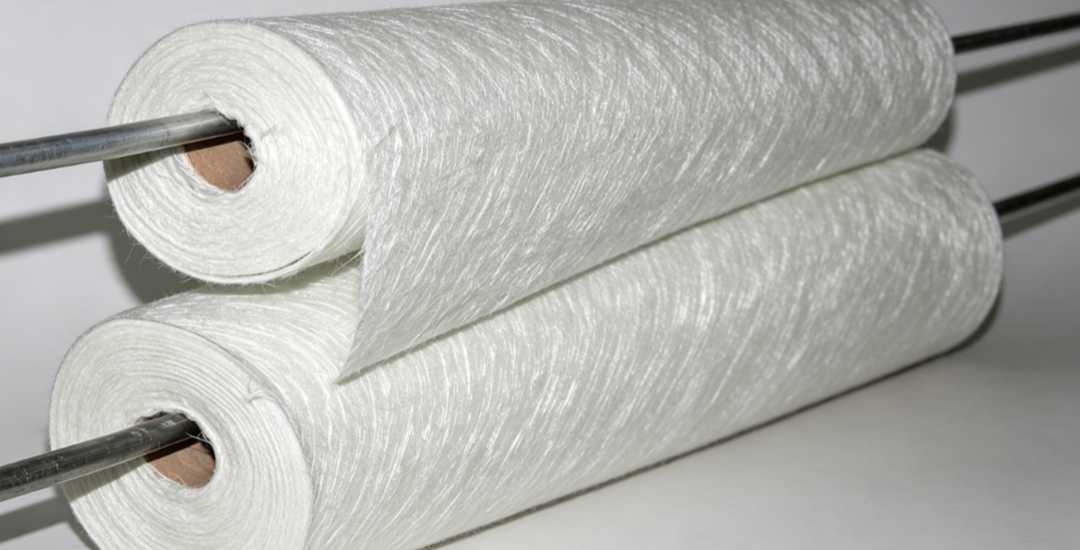
Chopped strand mat consists of short, randomly oriented fibers held together in a mat. It conforms relatively easily to complex shapes and is commonly used where multidirectional reinforcement and easy lay-up are useful.
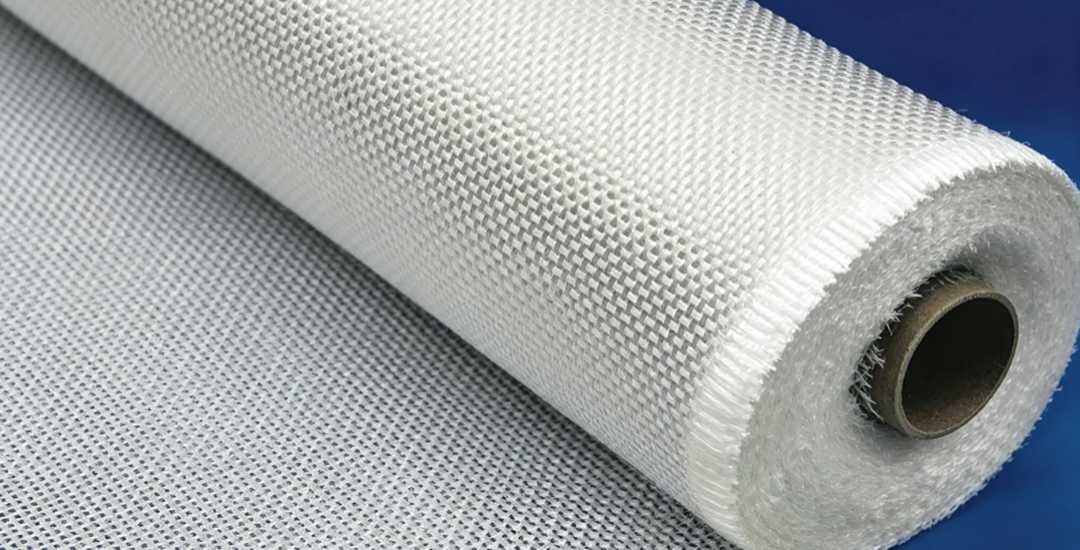
Woven roving and woven fabrics arrange continuous fibers in defined directions, providing greater control over strength and stiffness along the primary fiber orientations.
Continuous roving consists of continuous bundles of glass filaments and is commonly used in processes such as filament winding and pultrusion.
Common Resin Systems
The resin system influences the composite’s chemical resistance, temperature capability, toughness, and processing behavior.
Polyester is widely used for general-purpose fiberglass components because it provides a practical balance between performance and cost. Vinyl ester is often selected when greater chemical resistance or toughness is required. Epoxy provides strong adhesion and high mechanical performance and is commonly used for more demanding composite structures, although material and processing costs are generally higher.
The final material is therefore defined by more than the glass type alone; the reinforcement form and resin system are equally important to its performance.
3. Key Properties of Fiberglass Compared with Aluminum and Steel
Comparing fiberglass with metals requires considering both the glass reinforcement and the resin system. The values below provide a general reference for an E-glass/polyester composite alongside 6061 aluminum and A36 steel.
Propiedad | Fiberglass (E-glass/Polyester) | Aluminum (6061) | Steel (A36) |
|---|---|---|---|
Densidad (g/cm³) | 1.8–2.0 | 2.7 | 7.8 |
Tensile Strength (MPa) | 200–300 | 240–310 | 400–550 |
Specific Strength (MPa/(g/cm³)) | 100–150 | 90–115 | 50–70 |
Max Service Temperature (°C) | 80–120 | 150–200 | 500+ |
Resistencia a la corrosión | Excelente | Good (with anodizing) | Poor (needs coating) |
Values are typical references. Fiberglass properties vary with fiber type, fiber content, orientation, resin system, and manufacturing process.
The low density of fiberglass is one of its main advantages over steel and aluminum. Depending on the laminate design and fiber orientation, fiberglass composites can provide useful strength at considerably lower weight.
Temperature capability is more complicated because the resin system often sets the practical limit. Polyester, vinyl ester, epoxy, and specialty high-temperature resins have different thermal capabilities, so a single maximum service temperature should not be applied to all fiberglass composites.
Environmental resistance follows the same principle. Fiberglass can perform well in marine and chemical environments, but compatibility depends on the resin system, chemical exposure, temperature, and service conditions.
For fiberglass, the material specification matters as much as the material name itself.
4. Advantages of Fiberglass
Fiberglass offers several practical advantages when low weight, environmental resistance, electrical insulation, or complex geometry are important to the application.
Light Weight
Fiberglass has a relatively low density compared with steel and many other structural materials. This can reduce overall component weight, which is useful in transportation, marine structures, and other weight-sensitive applications.
Resistencia a la corrosión
Fiberglass does not rust like ferrous metals and can provide good resistance to many marine and chemical environments. Its actual performance depends strongly on the resin system, chemical exposure, temperature, and service conditions.
Flexibilidad de diseño
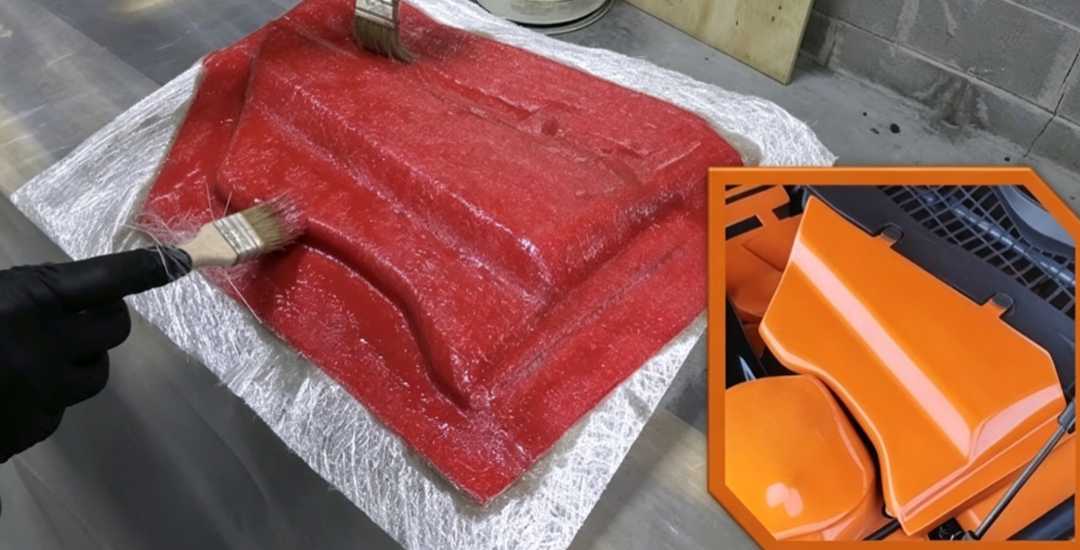
Fiberglass can be molded into curved, contoured, and relatively large one-piece structures. This allows designers to integrate features into a single component and, in some applications, reduce the number of joints, fasteners, or separately assembled parts.
Aislamiento eléctrico
Glass fibers and many commonly used resin systems are electrically insulating, making fiberglass useful for electrical enclosures, insulating structures, and components used around electrical equipment.
Low Maintenance Requirements
Fiberglass does not require corrosion protection in the same way as unprotected carbon steel. In suitable environments, this can reduce routine surface maintenance, although outdoor components may still require gel coats, coatings, or other UV protection depending on the resin system and expected service life.
These advantages are most valuable when they match the actual operating conditions rather than being treated as universal properties of every fiberglass composite.
5. Disadvantages and Limitations of Fiberglass
Fiberglass performance depends strongly on the laminate design, resin system, and service environment. Several limitations should be considered before it is selected for a structural or industrial component.
Impact Damage
Fiberglass composites respond differently to impact than ductile metals. Depending on the laminate and impact conditions, damage can include matrix cracking, fiber breakage, or delamination, some of which may not be immediately visible at the surface.
Anisotropic Behavior
The strength and stiffness of fiberglass depend strongly on fiber orientation. Properties are generally higher along the primary reinforcement directions, making load paths and fiber placement important considerations during component design.
Temperature Sensitivity
The practical temperature capability of a fiberglass composite is often limited by its resin system rather than the glass fibers themselves. Polyester, vinyl ester, epoxy, and specialty resin systems can have substantially different thermal performance, so operating temperature should be evaluated against the specific material system.
Environmental Degradation
Long-term exposure to UV radiation, moisture, chemicals, and changing temperatures can affect some fiberglass composites. The degree of degradation depends on the resin system and service conditions. Gel coats, coatings, or other protective barriers may be used when additional environmental protection is required.
Repair Considerations
Repairing fiberglass differs from repairing metal components. Depending on the type and extent of damage, repair may involve removing damaged material, preparing the surface, adding reinforcement and resin, and completing a controlled curing process.
For structural or safety-critical components, the repair method and acceptance criteria should be evaluated according to the application requirements.
These limitations make material specification and service conditions especially important when evaluating fiberglass for an engineering application.
6. Common Applications of Fiberglass
Fiberglass is used across a wide range of industries, with the material system and reinforcement structure selected according to the application. Some common examples include:
Industria | Aplicaciones típicas | Why Fiberglass |
|---|---|---|
Marina | Boat hulls, decks, docks, storage tanks | Saltwater corrosion resistance, lightweight, long service life |
Automotor | Body panels, truck cabs, underbody shields | Weight reduction, corrosion resistance, design flexibility |
Wind Energy | Turbine blades, nacelle covers | High stiffness-to-weight ratio, fatigue resistance |
Construcción | Building facades, roofing panels, structural profiles | Corrosion resistance, low maintenance, electrical insulation |
Procesamiento químico | Tanks, piping, scrubbers, ductwork | Acid and chemical resistance, lower cost than stainless steel |
The application ultimately determines which combination of glass reinforcement, resin, and manufacturing process is appropriate.
7. Manufacturing Considerations for Fiberglass
Machining and joining fiberglass require different considerations from conventional metals because the glass reinforcement is abrasive, the composite can be sensitive to edge damage, and cutting generates fine dust.
Cutting and Drilling
The abrasive glass fibers in fiberglass composites can accelerate cutting-tool wear. Carbide tools may be suitable for many operations, while diamond-coated or polycrystalline diamond (PCD) tools can provide longer tool life in demanding or repetitive machining applications.
Cutting parameters should be selected according to the resin system, fiber content, laminate structure, tool geometry, and required edge quality. Poorly controlled machining can contribute to delamination, fiber breakout, rough edges, or excessive heat generation.
Machining also generates airborne dust and fibers. Appropriate dust extraction, ventilation, and personal protective equipment should be selected according to the material safety information and workplace requirements.
Surface Preparation and Bonding
Bond quality depends strongly on surface condition. Mold-release residue, dust, oils, and other contaminants can interfere with adhesive performance, so fiberglass surfaces generally require appropriate preparation before bonding.
Depending on the resin system and adhesive, preparation may include cleaning, controlled abrasion, or a compatible primer. Epoxy adhesives are commonly used for structural bonding, but the final adhesive and preparation method should be selected according to the substrate, joint design, environment, and service requirements.
Tooling, edge quality, dust control, and surface preparation all need to be considered when fiberglass components require secondary machining or assembly.
Conclusión
Fiberglass combines low weight, useful mechanical performance, electrical insulation, and resistance to many environmental conditions, but its performance depends heavily on the glass reinforcement, resin system, fiber orientation, and manufacturing process. It should therefore be specified as a complete composite system rather than treated as a single material with fixed properties.
When fiberglass components require secondary machining, factors such as tool wear, edge quality, dust control, and surface preparation also become part of the manufacturing plan. Matching these requirements to the material system early helps avoid problems during mecanizado and assembly.
 Spanish
 English
 Hebrew
 Turkish
 French
 Russian
 German
 Portuguese