


In many industrial components, unexpected wear or loss of precision can lead to costly downtime. Shafts, valve parts, and small mechanical components are especially vulnerable when the material cannot balance hardness, toughness, and corrosion resistance.
3Cr13 stainless steel is a martensitic alloy that addresses this challenge, offering the durability and machinability needed for precision parts while maintaining moderate corrosion resistance. Its versatility has made it a common choice in applications ranging from CNC-machined shafts to sheet metal components, where consistent performance under stress is critical. Projects that require precision 3Cr13 components? You can request samples from us to evaluate performance and fit before production.
In the sections that follow, we will take a closer look at 3Cr13’s composition, key properties, machining considerations, typical applications, and how it compares to other martensitic stainless steels.
1. What is 3Cr13 Stainless Steel?

3Cr13 is a martensitic stainless steel that stands out for its combination of hardness, strength, and moderate corrosion resistance. Its low to medium carbon content, combined with 12–14% chromium, allows the steel to be hardened through heat treatment while maintaining enough toughness to resist cracking or deformation. Unlike austenitic stainless steels such as 304, which prioritize corrosion resistance over hardness, 3Cr13 achieves a balance that makes it suitable for components requiring wear resistance without sacrificing structural integrity.
As a martensitic alloy, 3Cr13 can form a hard, wear-resistant microstructure while retaining sufficient ductility for bending or shaping in solid or semi-finished forms. This balance between hardness and toughness gives it a unique place among stainless steels, making it a reliable option where both mechanical strength and moderate corrosion resistance are needed.
2. Chemical Composition of 3Cr13 Stainless Steel
The performance of 3Cr13 stainless steel is largely determined by its chemical makeup. A closer look at its composition explains why this steel achieves a practical balance between hardness and corrosion resistance.
| Elemento | Typical Content | Main Effect |
| Carbon (C) | 0.12–0.20% | Provides hardenability and wear resistance after heat treatment |
| Cromo (Cr) | 12–14% | Improves corrosion resistance and contributes to hardness |
| Manganese (Mn) | ≤1% | Enhances strength and toughness |
| Silicon (Si) | ≤1% | Improves oxidation resistance and hardness |
| Phosphorus (P) & Sulfur (S) | ≤0.03% | Trace elements: excessive amounts reduce toughness |
Compared with higher-carbon martensitic steels like 440C, 3Cr13 is easier to machine and less prone to cracking during bending or forming. Against austenitic grades like 304, it achieves higher hardness and wear resistance, although with slightly reduced corrosion resistance.
In practice, the combination of moderate carbon and relatively high chromium makes 3Cr13 a reliable choice for components that require both toughness and moderate hardness without overly complicating machining or forming processes.
3. Key Properties of 3Cr13 Stainless Steel
The performance of 3Cr13 stainless steel can be understood through its mechanical, thermal, and corrosion-resistant properties, each contributing to its versatility in manufacturing.
Propriedades Mecânicas
3Cr13 stainless steel exhibits a hardness ranging from 38 to 45 HRC after heat treatment, offering reliable wear resistance for components under load. Its yield strength typically falls between 450 and 600 MPa, providing sufficient structural support while maintaining adequate toughness. This combination of hardness, strength, and ductility ensures that parts can resist cracking or deformation even under repeated stress.
Thermal Properties
The thermal behavior of 3Cr13 allows it to perform well under moderate temperature conditions. Its coefficient of thermal expansion is stable, and thermal conductivity is moderate, making it suitable for components exposed to occasional heat cycles during processing or in service. Heat treatment processes, such as quenching and tempering, can further adjust hardness and toughness without compromising the material’s overall thermal stability.
Resistência à corrosão
3Cr13 offers moderate corrosion resistance, primarily due to its 12–14% chromium content. While not as resistant as austenitic grades like 304, it performs well in indoor, mildly humid, or lightly corrosive environments. Proper surface finishing and maintenance can further enhance its longevity, especially in components that experience occasional exposure to moisture or mild chemicals.
Overall, the combination of mechanical strength, thermal stability, and moderate corrosion resistance makes 3Cr13 a dependable material for components that must endure both mechanical and environmental stresses.
4. CNC Machining and Fabrication of 3Cr13 Stainless Steel
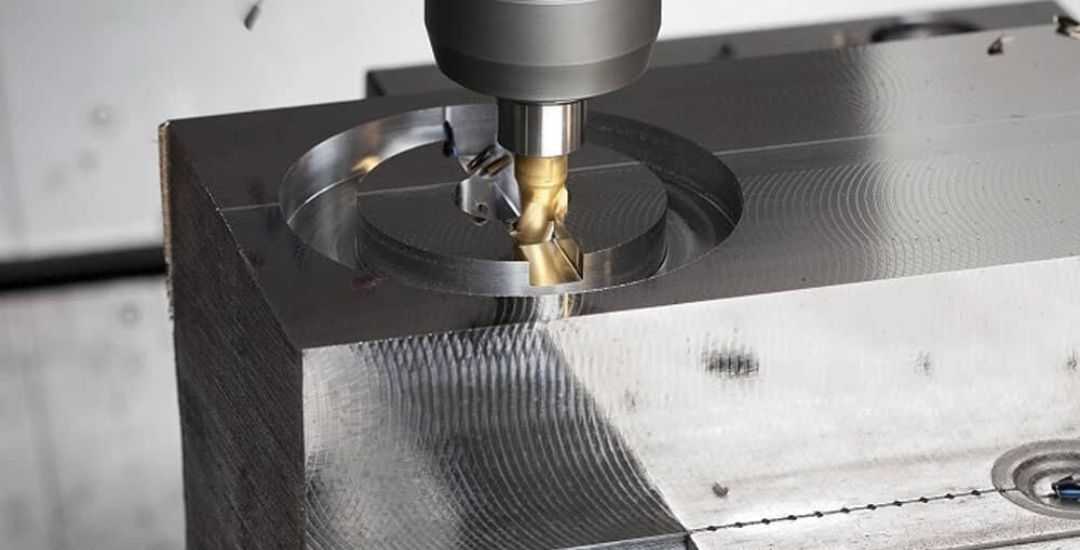
3Cr13 stainless steel requires careful handling during machining and fabrication to maintain precision and surface quality. Its combination of moderate hardness and toughness means that improper techniques can lead to tool wear, burrs, or minor deformation.
| Processo | Recommendations | Key Considerations |
| Usinagem CNC | Use carbide or coated tools; moderate cutting speeds; proper feed rates | Avoid excessive heat or cutting forces to prevent burrs and surface imperfections |
| Fabricação de chapas metálicas | Bending and stamping with controlled force | Prevent cracking or springback due to material hardness |
| Soldagem | Spot welding, TIG, or MIG | Monitor heat-affected zones (HAZ) to minimize distortion |
| Acabamento de superfície | Polishing, blackening, or coating | Enhances corrosion resistance and aesthetic appearance |
Proper tool selection, machining parameters, and post-processing allow for high-precision 3Cr13 components. Experience shows that when these techniques are applied consistently, the material’s toughness and hardness can be fully leveraged without compromising dimensional accuracy or surface quality.
5. Advantages and Limiations of 3Cr13 stainless steel
3Cr13 stainless steel offers several advantages that make it suitable for a range of applications.
Good hardness and wear resistance
Its moderate carbon content allows 3Cr13 to achieve hardness in the range of approximately 35–45 HRC after heat treatment, which is sufficient for wear-resistant components while maintaining reasonable toughness. This makes it suitable for parts such as shafts, gears, and cutting tools where moderate abrasion resistance is required.
Usinabilidade
In the solution-annealed condition, 3Cr13 is relatively easy to machine compared with higher-carbon martensitic steels. Proper selection of cutting tools and speeds helps reduce tool wear and improves surface finish, making it efficient for precision CNC operations.
Custo-efetividade
Compared with high-grade martensitic steels such as 440C, 3Cr13 provides a practical balance of performance and affordability. Its lower alloying content reduces material cost while still providing adequate mechanical properties for many general-purpose components.
At the same time, there are some limitations to consider.
Moderate corrosion resistance
3Cr13 does not match the corrosion resistance of austenitic grades like 304. In harsher environments, protective coatings, passivation, or oiling may be necessary to prevent surface oxidation, especially for parts exposed to moisture or mild chemicals.
Lower tensile strength
While strong enough for many general-purpose components, its ultimate tensile strength is typically around 600–850 MPa, which is lower than high-strength martensitic grades, making it unsuitable for heavily loaded structural applications.
Weldability considerations
Welding requires careful control of heat input, and post-weld heat treatment may be needed to restore hardness and toughness. This should be factored into the fabrication sequence to maintain mechanical properties.
These factors provide a clear view of when 3Cr13 is suitable and when other stainless steels might be preferable. Its combination of machinability, moderate hardness, and cost efficiency makes it a versatile choice for components that do not require extreme corrosion resistance or maximum tensile strength.
6. Applications of 3Cr13 Stainless Steel in Manufacturing
The versatility of 3Cr13 stainless steel makes it suitable for a wide range of industries, from automotive to kitchenware. Its combination of hardness, corrosion resistance, and machinability allows it to meet different functional requirements while maintaining precision and durability.
- Automotive: Used for small shafts, valve components, and tool inserts that require wear resistance and dimensional stability.
- Industrial Machinery: Applied in gears, levers, and other moving parts where toughness and moderate corrosion resistance are essential.
- Kitchenware: Commonly selected for knives and cutting tools due to its ability to hold a sharp edge while resisting moderate corrosion.
- Medical Devices: Sometimes used for small precision instruments where machinability and moderate corrosion resistance are required.
For parts that need to endure wear while maintaining dimensional accuracy, 3Cr13 proves to be a practical and versatile material.
7. Comparison with Other Martensitic Stainless Steels
When selecting a martensitic stainless steel, understanding the differences in hardness, ductility, and machinability is essential. 3Cr13 offers a unique balance that sets it apart from other common grades.
| Steel Grade | Dureza | Ductility/Toughness | Usinabilidade | Key Notes |
| 3Cr13 | Moderado | Bom | Easy | Balanced choice for moderate hardness and corrosion resistance |
| 410 | Mais baixo | Fair | Moderado | Slightly less tough and harder to machine precisely |
| 420 | Mais alto | Moderado | Moderado | Harder than 3Cr13, but more prone to cracking during forming |
| 440C | Muito alto | Mais baixo | Difficult | Excellent wear resistance, but challenging to machine and bend |
For projects that demand moderate hardness, reliable machinability, and adequate corrosion resistance, 3Cr13 provides a practical balance without the trade-offs of higher-carbon martensitic steels.
8. Cost and Availability of 3Cr13 Stainless Steel
For many manufacturing projects, balancing material performance with cost and availability is crucial. 3Cr13 stainless steel stands out for offering a practical combination of affordability and accessibility.
- Cost: Generally more cost-effective than higher-carbon martensitic steels like 440C due to its moderate alloy content. Pricing can vary depending on sheet or bar thickness and heat treatment, but it provides good value for applications requiring hardness, wear resistance, and machinability.
- Availability: Widely stocked in bar and sheet formats, making it easy to source for CNC machining, sheet metal fabrication, or specialized tooling. Multiple suppliers ensure reliable supply even for small to medium production runs.
- Practicality: Its balance of cost and consistent supply allows engineers to plan production without compromising component performance or manufacturing efficiency.
Overall, 3Cr13 combines affordability and accessibility with dependable material properties, making it a practical choice for a wide range of industrial applications.
Mergulhe mais fundo em nossos recursos
For some insightful reads, we’ve curated a list of recommended articles just for you:
- How to weld stainless steel
- Titanium alloys vs stainless steel
- What is 17-4 stainless steel
- Usinagem CNC de aço inoxidável
 Portuguese
 English
 Hebrew
 Turkish
 French
 Russian
 German
 Spanish