
Alodine Treatment Service
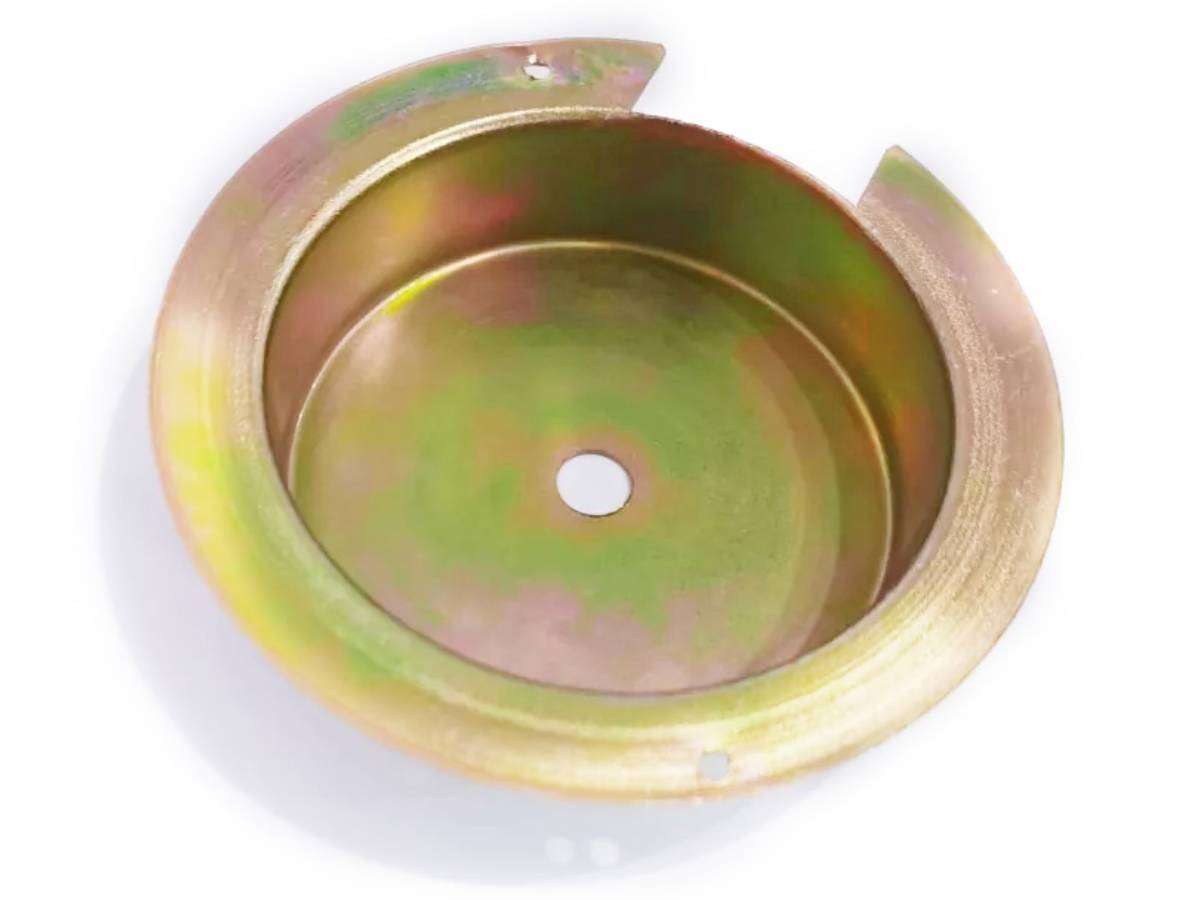
- Ideal coating for aluminum parts
- Maintaining electrical conductivity without effecting the tolerance

Beska – Melhor qualidade com preço competitivo.
Com experiência em fabricação de chapas metálicas e usinagem CNC, estamos aqui.
What Is Alodine?
Alodine is a crucial surface finishing step to make aluminum parts with excellent performance and durability standards. If you’re designing components that require conductivity, corrosion resistance, or paint adhesion without changing the base dimensions, Alodine can be your ideal surface finishing choice.

How does alodine work? The alodine process creates an ultra-thin chemical conversion coating (typically 0.5–4 microns thick). It’s an ideal surface finish for aluminum or other precision parts. Through applying a controlled alodine chemical formula, we could enhance paint adhesion, improve conductivity, and block oxidation of the parts without adding bulk.
That’s why it’s widely used on aerospace brackets, which specially need anti-corrosion without weight penalties. At Beska, we often combine Usinagem CNC, aluminum, and alodine surface finish to create custom parts. Are you ready to start a new project?
Beska – Melhor qualidade com preço competitivo.
Com experiência em fabricação de chapas metálicas e usinagem CNC, estamos aqui.
The Advantages of Alodine on Aluminum Parts
After alodine, it creates a thin, chemically bonded conversion coating, which can protect aluminum surfaces from oxidation and corrosion.
The Alodine surface improves the parts’ adhesion of paints, primers, and adhesives, creating more durable finishes and stronger bonds.
Alodine still maintains the aluminum’s natural electrical conductivity.
Compared to surface treatments like anodizing or plating, Alodine can be a faster and more economical solution.
There are several environmentally friendly alodine processes like low-chromate or chromium-free options.
Alodine produces a consistent and thin conversion layer. It does not significantly alter part dimensions or tolerances.


Aluminum Alloy
Alumínio 6061
Types of Alodine Treatment
When it comes to chromate conversion coating on aluminum, several types of Alodine are commonly used in various applications. Each type gets its key features and typical use cases. You can choose a proper type for your aluminum project.
| Type | Cor | Principais características | Typical Use Cases |
|---|---|---|---|
| Alodine 1200 | Golden/Yellow | Excellent corrosion resistance; leaves visible finish; conductive | Aerospace parts, military components, electrical enclosures |
| Alodine 1000 | Colorless | Minimal visual impact; slightly lower corrosion resistance than 1200 | Electronic housings, components requiring high conductivity |
| Alodine 5200 | Transparent | Chromium-free version; environmentally friendly; RoHS-compliant | Consumer electronics, green manufacturing |
| Alodine 5700 | Blue-tinted clear | Advanced non-chromium formulation; optimized for paint adhesion and conductivity | Automotive, marine, and medical devices |
Tip: Choosing the right type can make the parts better than you expected. For example, alodine 1200 is preferred when both visual confirmation and corrosion resistance are critical.
Anodize vs Alodine: Which Should You Choose
Both anodizing and alodine are popular surface finishing options. They may appear similar at first glance, but they differ significantly in purpose, performance, and application.

Anodizing is an electrochemical process that thickens the natural oxide layer on the surface of aluminum. It significantly enhances wear resistance, supports vibrant color finishes, and offers excellent protection in harsh environments. However, anodizing also renders the surface electrically non-conductive, which may not be suitable for assemblies requiring grounding or conductivity.
In contrast, Alodine treatment forms a thin, conductive protective layer without requiring electrical current. It’s particularly valued in the aerospace, defense, and electronics industries. In those applications, lightweight corrosion protection must coexist with electrical conductivity and paint adhesion. Alongside that, Alodine can be applied at room temperature, which makes it faster and more cost-effective solution for specific use cases. Saber mais
Outro pós-processamento
Except for alodine, we also apply other surface finishing options on the custom metal components. Let’s take a closer look at these options:

Revestimento em pó
It is a popular surface finishing for machining metal parts, offering durability, a sleek look, cost – effectiveness, and environmental friendliness.

Anodização
Envolve a imersão do metal em uma solução eletrolítica e a aplicação de uma corrente elétrica, que forma uma camada protetora de óxido nas partes metálicas.

Niquelagem
It’s a widely used process that involves depositing a thin layer of nickel onto a substrate, enhancing the durability, corrosion resistance, and aesthetic appeal of various machining metal components.

Jateamento de areia
It’s a surface finishing process that uses high – pressure air to propel abrasive sand particles onto a surface, effectively removing impurities, smoothing rough edges, and creating a uniform texture.

Cromagem
It’s a process that coats a metal surface, typically steel, with a thin layer of chromium through electroplating. This coating improves the metal part’s durability, corrosion resistance, and aesthetic appeal.

Tratamento térmico
O processo envolve aquecer o material a uma temperatura específica, mantê-lo nessa temperatura por um certo período e depois resfriá-lo a uma taxa controlada.
Aperfeiçoe seu Usinagem CNC Fabricação de chapas metálicas Moldagem por injeção Precisa Conosco
Perguntas frequentes
Yes. One of the advantages of Alodine coating for aluminum parts is that it can retain electrical conductivity. It is crucial for grounding components in aerospace and electronic assemblies.
It depends on the type you choose. There are two common types: One appears gold (Type I) and the other clear (Type II). The color does not affect performance but may be useful for visual inspection.
Yes, Alodine is often used alone to protect aluminum surfaces from corrosion. But it’s also commonly used as a pretreatment before painting or powder coating to improve adhesion.
No. One of the main benefits of alodine is that it adds only a very thin film (usually just a few hundred nanometers). That's why it's the ideal choice for creating precision-machined aluminum parts.
Type I uses hexavalent chromium and forms a golden coating. It can offer strong corrosion resistance. But it has environmental and safety concerns.
Type II works by using trivalent chromium and forms a clear coating, meeting RoHS compliance standards.
Application of Alodine Treatment
Alodine treatment is valued across multiple industries for its ability to protect metal surfaces, improve corrosion resistance, and maintain electrical conductivity. Below are some key sectors where this process delivers significant benefits.
Militar e Defesa
Indústria Marítima
Electronics and Electrical Applications
3 Tips to Consider When Choosing Alodine Treatment
Selecting the right alodine treatment provider can make a significant difference in the protection, appearance, and longevity of your metal components. Here are three key factors to keep in mind when evaluating your options.
#1 Chromate Solution Expert
#2 Achieve Golden and Iridescent Finishes
#3 Post Treatment Processes
Mergulhe mais fundo em nossos recursos
Procurando opções de serviços mais diversificadas? Navegue pelas nossas seleções criteriosamente selecionadas:
For some insightful reads, we’ve curated a list of recommended articles just for you:
Ainda não encontrou o que procura? Não hesite em Contate-nosEstamos disponíveis 24 horas para ajudar você.
 Portuguese
 English
 Hebrew
 Turkish
 French
 Russian
 German
 Spanish