


Aircraft-grade aluminum, also known as aerospace-grade aluminum, is more than just a metal. It’s a carefully engineered family of alloys designed for demanding environments. Combining high strength, low weight, corrosion resistance, and excellent machinability, these alloys form the backbone of modern aircraft, spacecraft, and other high-performance engineering projects.
Beyond aerospace, this material is gaining attention in automotive, robotics, defense, and precision manufacturing, wherever you need components that are strong, lightweight, and reliable.
In this article, we’ll explore what makes aircraft-grade aluminum unique, its key properties, common alloy series, processing methods, and practical applications.
1. What Is Aircraft-Grade Aluminum?
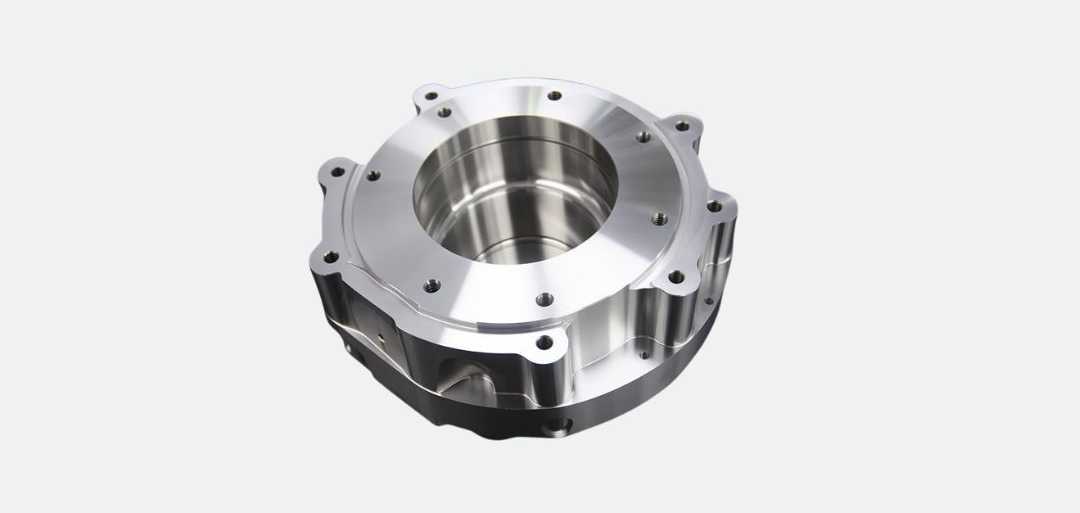
The term “aircraft grade aluminum” refers to a select group of high-performance alloys developed for aerospace use. Unlike standard aluminum, these alloys are engineered to combine high strength with low weight and long-term durability, making them suitable for demanding and safety-critical applications.
Main Features That Define Aircraft-Grade Aluminum
Aircraft-grade aluminum stands out for three defining factors:
- Precise Alloy Composition—These alloys contain carefully balanced elements such as copper, zinc, magnesium, manganese, and lithium. Each adds unique benefits: zinc and magnesium boost strength, copper improves machinability, and lithium lowers density. Common alloys include 2024, 6061, and 7075.
- Controlled Heat Treatment—To achieve the required properties, the material undergoes processes like solution treatment, quenching, and aging. These steps refine the microstructure, and the results are indicated with “T” designations (e.g., T6, T651).
- Strict Standards and Certifications—Aerospace applications demand compliance with rigorous specifications such as AMS, MMPDS, and EN standards. Careful monitoring throughout production and inspection ensures consistency and traceability.
In short, aircraft-grade aluminum is not defined by chemistry alone but by the combination of alloying, processing, and certification that ensures its reliability in aerospace.
2. Key Properties That Make Aircraft-Grade Aluminum Unique
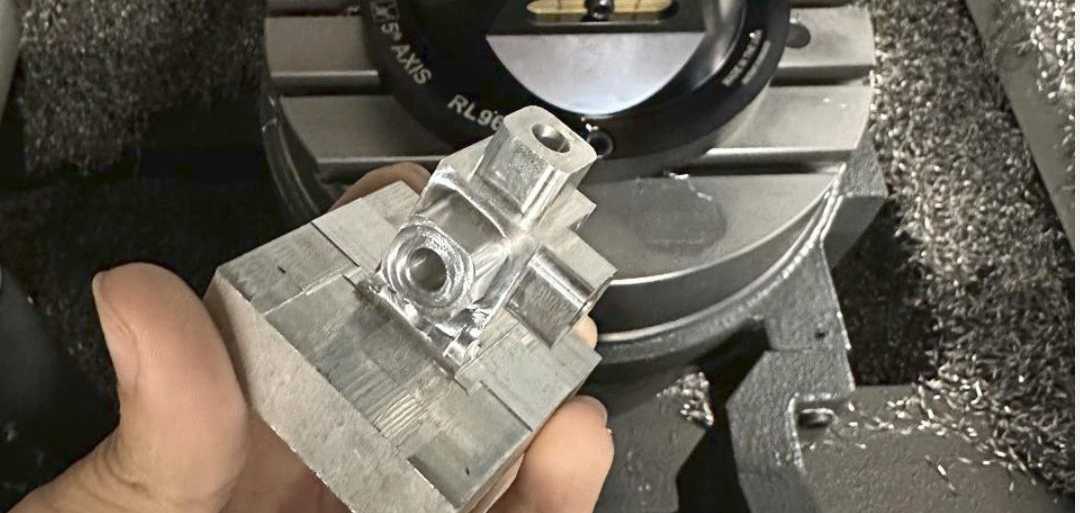
Aircraft-grade aluminum stands out due to its combination of mechanical and physical characteristics:
- High Strength-to-Weight Ratio – Its strength can approach that of steel while weighing only about one-third as much. This reduction in structural weight is essential in aerospace and automotive applications.
- Excellent Fatigue Resistance – Cyclic loads from turbulence and pressure changes can cause fatigue cracks. Aerospace aluminum is treated to resist crack growth, providing a long service life under repeated stress.
- Good Corrosion Resistance – Some alloys, such as 6061, resist corrosion naturally. Others, like 7075, are clad with pure aluminum layers (Alclad) for added protection in harsh environments.
- Toughness and Impact Resistance – Many aerospace alloys maintain toughness even at high strength, allowing them to absorb energy without brittle failure.
- Machinability—Despite their high strength, alloys like 2024 are easy to machine, making them suitable for complex, high-precision components.
- Heat Resistance—Certain series, such as 2XXX, retain mechanical stability under elevated temperatures, which is useful near engines or high-friction areas.
Collectively, these properties define the material’s suitability for critical aerospace and other high-performance engineering applications.
3. Main Alloy Series and Applications
Different alloys serve different purposes in aerospace and other industries.
| Alloy Series | Example Grades | Principais características | Aplicações comuns |
| 2000 Series (Al-Cu) | 2024-T3 | High strength, fatigue resistance, lower corrosion resistance | Fuselage skins, wing ribs, door structures |
| 7000 Series (Al-Zn-Mg) | 7075-T6, 7050-T7451 | Ultra-high strength, good SCC resistance (in T7 states) | Landing gear, wing spars, engine mounts |
| Al-Li Alloys | 2195, 5A90 | Reduced density, improved stiffness, high strength | Fuselage panels, fuel tanks, spacecraft structures |
| 6000 Series (Al-Mg-Si) | 6061-T6 | Medium strength, excellent corrosion resistance, machinable | Interior parts, non-load-bearing aircraft parts |
| 5000 Series (Al-Mg) | 5052-H32 | Excelente resistência à corrosão | Fuel lines, hydraulic systems |
The mechanical performance of these alloys depends heavily on their heat treatment condition (T3, T6, T73, T77, etc.), which balances strength, toughness, and corrosion resistance.
4. Production and Quality Control of Aircraft-Grade Aluminum
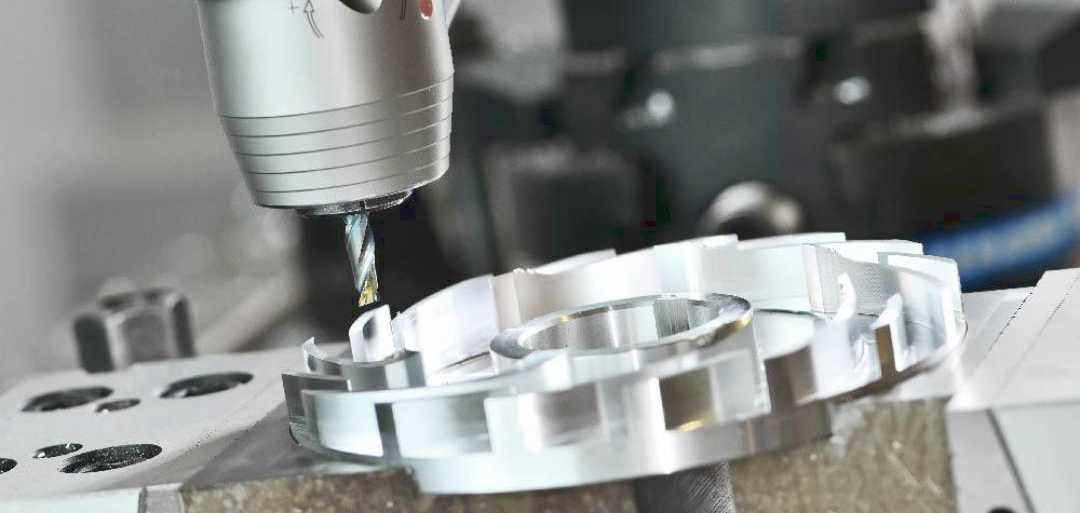
Producing aerospace aluminum involves carefully controlled processes to ensure consistent performance and reliability in demanding applications.
Smelting and Casting
- Begins with ultra-high-purity aluminum (typically ≥99.99%), with impurities such as iron and silicon kept very low (≤0.12%).
- Techniques like vacuum degassing and electron beam melting help remove unwanted elements.
- Precision casting or isothermal extrusion at controlled temperatures (around 380–420°C) and extrusion speeds (5–10 mm/s) ensures a uniform grain structure and minimizes internal defects.
Heat Treatment and Forming
- Alloys undergo solution treatment at carefully monitored temperatures (typically ±1.5°C tolerance), followed by quenching and aging to develop the desired mechanical properties.
- Advanced processes such as retrogression and re-aging (RRA) can refine precipitates to 10–50 nm and may triple fatigue life compared to standard treatments.
Surface Treatment and Inspection
- Hard anodizing layers (generally 50–100 μm thick) improve corrosion and wear resistance, with microhardness often reaching ≥400 HV.
- Non-destructive testing, including phased-array ultrasonics and high-resolution CT scanning (≤0.1 mm³), ensures the material is free from internal defects.
Certification
- Aerospace aluminum must meet rigorous standards such as AS9100D, AMS specifications, and relevant airworthiness approvals (e.g., CAAC for C919 components).
These tightly controlled production, treatment, and inspection steps ensure aircraft-grade aluminum consistently meets the demanding mechanical and safety requirements.
5. CNC Machining of Aircraft-grade Aluminum

After undergoing precise production and quality control, aircraft-grade aluminum is ready for high-precision Usinagem CNC. Its combination of strength, toughness, and dimensional stability makes it suitable for a wide range of demanding components, including:
- Structural Parts – wing ribs, fuselage frames, and load-bearing brackets benefit from a strength-to-weight ratio up to 250–600 MPa while maintaining a density around 2.7 g/cm³, allowing for significant weight reduction without compromising safety.
- Engine Components – mounts, housings, and heat-sensitive parts maintain stability under machining and operational stress, even at temperatures up to 150–200°C for certain 2XXX and 7XXX series alloys.
- Complex Precision Components – alloys such as 2024 and 6061 can achieve surface finishes under 0.8 μm Ra and dimensional tolerances within ±0.05 mm, making them ideal for intricate geometries and tight-fitting assemblies.
Using proper tooling, optimized cutting speeds, and adequate cooling ensures efficient material removal, minimal tool wear, and consistent dimensional accuracy.
These characteristics allow aerospace aluminum to be machined into reliable, high-precision components, meeting the strict requirements of aerospace, automotive, and other advanced engineering applications.
6. Market Trends and Innovations
The aerospace aluminum industry is evolving rapidly, driven by technological advances, sustainability goals, and global market dynamics. Key trends include:
- Aluminum-Lithium (Al-Li) Alloys—These alloys offer reduced weight and increased strength, making them increasingly popular in commercial aircraft. By lowering structural weight, they also contribute to fuel efficiency and lower emissions.
- Additive Manufacturing (3D Printing) – New high-strength alloys, such as GA570, enable the production of complex aerospace components through 3D printing. This approach can improve fatigue performance while reducing manufacturing lead times.
- Sustainability and Recycling – The production of recycled aluminum is advancing, with recovery rates exceeding 90%. These efforts help reduce environmental impact and support circular manufacturing practices.
- Global Supply Chain Dynamics—Tariffs, policies, and strategies for localized production influence the sourcing, availability, and cost of aerospace aluminum worldwide.
Overall, these trends show that the aerospace aluminum sector is not only innovating in materials and manufacturing but also adapting to sustainability and global market challenges.
Conclusão
Aircraft-grade aluminum goes beyond typical aerospace applications. It consists of carefully engineered alloys that offer a combination of high strength, low weight, corrosion resistance, and excellent machinability. These properties make it valuable across aerospace, automotive, robotics, defense, and precision manufacturing.
With the ongoing demand for lighter, stronger, and more reliable materials, aerospace aluminum continues to drive innovation in advanced engineering. For projects requiring such high-performance materials, consulting a trusted supplier like the Beska team ensures you get alloys that meet strict specifications and machining requirements.
Deeper into Our Resources
For some insightful reads, we’ve curated a list of recommended articles just for you:
- CNC Machining Aluminum Service
- Processo de anodização
- Aluminum 6061 vs 6063
- Alloy Steel vs Aluminum
- Case Study: Aluminum Anodizing Solutions
- Materiais
 Portuguese
 English
 Hebrew
 Turkish
 French
 Russian
 German
 Spanish