


Drilling may appear simple at first glance, yet in precision machining, it often determines whether a part performs flawlessly or fails during assembly. A hole that is even slightly off in size or alignment can compromise the fit, sealing, or structural integrity of an entire component.
This is where the CNC drilling process makes a difference. Guided by computer control and advanced motion systems, it turns what used to rely on manual skill into a precise, repeatable, and highly efficient operation. From tiny holes in circuit boards to deep holes in metal blocks, CNC drilling ensures that every detail matches the design with remarkable accuracy.
In this article, we’ll explore what CNC drilling really involves, from how the process works and what equipment is used to its applications and common challenges.
1. What Is CNC Drilling?

CNC (Computer Numerical Control) drilling is a machining process that uses computer programming to guide the drilling tool along precise paths and parameters. It is designed to create holes of specific diameters and depths on materials such as metals, plastics, and composites with exceptional accuracy.
At its core, CNC drilling converts a traditional manual operation into a fully automated workflow. The system controls spindle speed, feed rate, and drilling depth while continuously monitoring cutting conditions. This real-time control ensures that every hole is positioned and sized exactly as defined in the digital design, maintaining precision even during large-scale or complex part production.
By eliminating manual intervention, CNC drilling achieves high repeatability and consistent quality. The result is a process capable of meeting strict dimensional and surface finish requirements across a wide range of industrial applications.
2. CNC Drilling vs Traditional Drilling: The Key Advantages


Traditional drilling relies heavily on manual skill, making accuracy inconsistent and efficiency relatively low. Operators often spend additional time adjusting fixtures or replacing tools, leading to longer cycle times and higher scrap rates, especially when handling complex or miniature holes.
In contrast, CNC drilling offers multiple advantages:
- Higher Accuracy: With precise servo motors and numerical control systems, hole position accuracy can reach ±0.01 mm, and hole diameter tolerance can be maintained within 0.005 mm.
- Improved Efficiency: Automated operation allows 24/7 production. A CNC drilling machine can be 3–5 times more efficient than traditional setups, especially in batch manufacturing.
- Superior Consistency: Uniform cutting parameters (spindle speed, feed rate, depth) ensure that hole quality and location remain consistent throughout the production run.
- Material Flexibility: CNC drilling supports multiple materials, from metals, plastics to composites, and various hole types such as through-holes, blind holes, stepped holes, and deep holes. Program adjustments allow quick transitions between different jobs.
By integrating precision control with automation, CNC drilling not only improves accuracy and speed but also redefines what manufacturers can achieve in modern machining.
3. Core Components of a CNC Drilling Machine
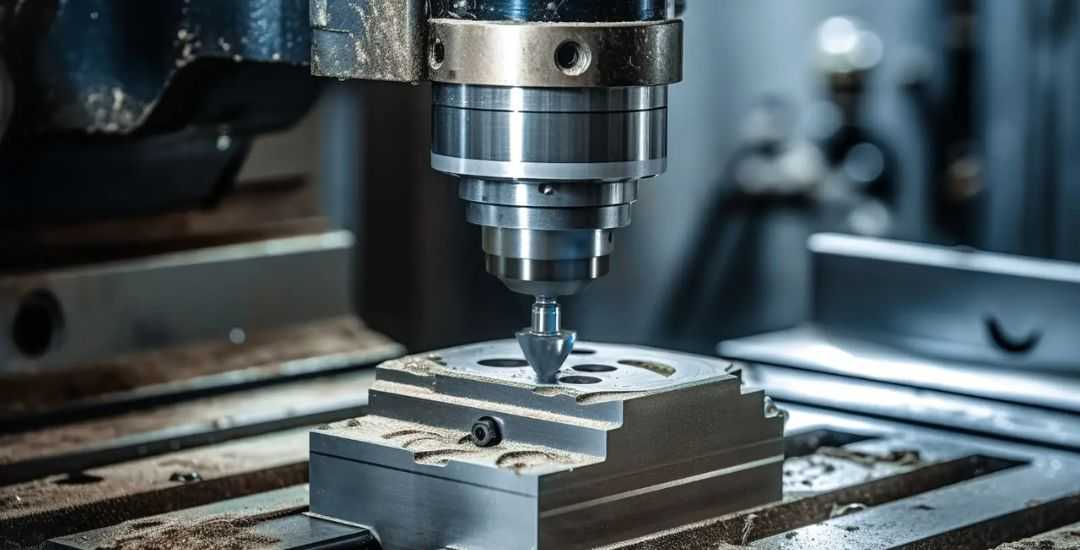
A CNC drilling system functions like a coordinated team, with each component playing a critical role in achieving precision machining.
- CNC Control System. This serves as the brain of the equipment. It interprets the G-code, sends precise instructions to each part of the machine, and continuously monitors real-time performance to ensure accuracy.
- Spindle Unit. The spindle provides cutting power and rotation for the drill. Its speed, typically ranging from 3,000 to 20,000 rpm, and runout precision of 0.003 mm or less, directly influence both the surface finish and dimensional accuracy of the holes.
- Servo System. The servo system controls linear movements through servo motors and ball screws. A more responsive and precise servo system results in higher positioning accuracy and consistent hole placement.
- Cutting Tools. High-speed steel tools are suitable for soft materials, while carbide or diamond tools are used for metals and ceramics. The sharpness, geometry, and wear of the tool directly affect the surface quality and dimensional precision of each hole.
- Workholding and Table. These components securely clamp the workpiece to prevent any movement during drilling. The flatness and rigidity of the table are essential for maintaining positional accuracy throughout the machining process.
- Cooling and Chip Removal Systems. Coolants reduce heat buildup and provide lubrication, while chip removal systems such as spiral conveyors or air-blast mechanisms clear debris from the cutting area. Together, they maintain stable cutting conditions and protect both tools and workpieces.
Each component works in harmony to ensure that CNC drilling delivers the precision, consistency, and efficiency required in modern manufacturing.
4. Step-by-Step CNC Drilling Process
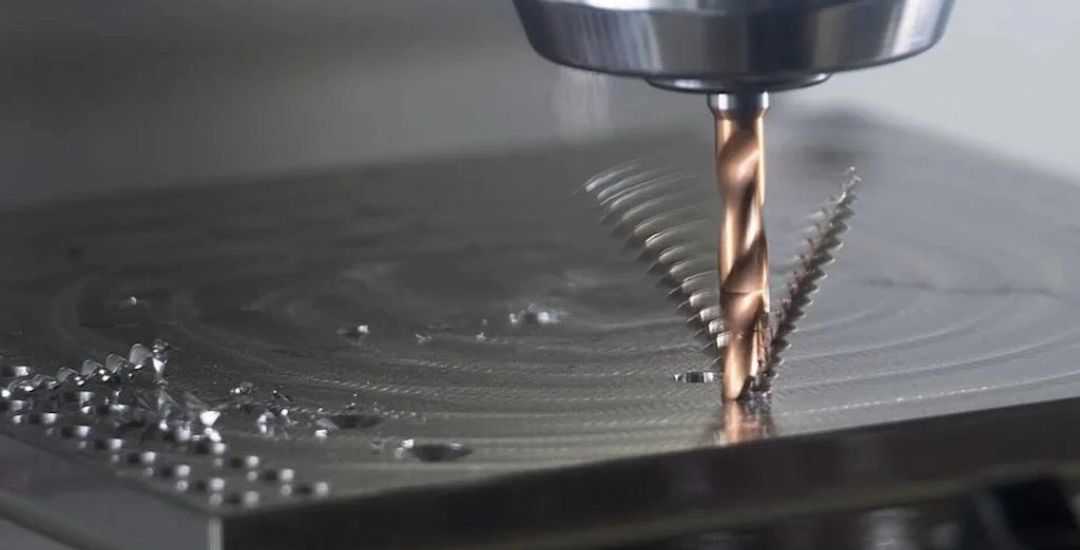
CNC drilling is a structured workflow that combines preparation, machine setup, execution, and inspection. Each stage plays a crucial role in achieving high precision and efficiency.
1. Pre-Machining Preparation
Engineers first review the part drawing to confirm all hole coordinates, diameters, depths, and types, such as through-holes, blind holes, or counterbores. They then define the operation sequence and determine whether all drilling can be completed in a single setup or requires multiple stages. CNC programs are created using CAM software like Mastercam, NX, or Fusion 360, or through manual G-code for simpler hole patterns. Appropriate drill types and clamping fixtures are selected to ensure rigidity and optimal cutting performance.
2. Machine Setup
The workpiece is mounted securely on the worktable and aligned precisely. Drill bits are installed and calibrated for length and offset. The work coordinate system is established, and the program is verified, often with a dry run, to ensure accuracy before actual drilling begins.
3. Machining Execution
The programmed cycle is started, and the spindle rotates to perform drilling operations, including peck drilling or deep-hole cycles as required. Feed rate, retraction, and coolant flow are all automatically controlled to maintain precision and protect both the tool and the workpiece.
4. Post-Processing and Inspection
After machining, the part is removed and cleaned. Deburring is performed to eliminate sharp edges. Hole dimensions, depth, and positions are checked using gauges, micrometers, or a Coordinate Measuring Machine (CMM) to verify accuracy. Surface roughness is inspected to ensure that hole walls meet quality standards.
5. Troubleshooting and Optimization
For batch production, continuous monitoring and adjustment are critical. Oversized holes can result from tool wear or spindle runout, while position deviations often arise from inaccurate fixture alignment or coordinate setup. Poor surface finish may be caused by low coolant flow or dull tools, and broken drills typically result from excessive feed rates or chip clogging. Engineers use these observations to adjust parameters and tool paths, improving both efficiency and accuracy.
By following this systematic process, CNC drilling ensures consistent precision, repeatability, and quality, even for complex or high-volume production.
5. Applications of CNC Drilling
The CNC drilling process is widely applied in industries where precision, efficiency, and repeatability are essential.
Indústria Eletrônica
CNC drilling is commonly used for printed circuit boards, where numerous micro-holes are required to interconnect circuit layers. High-speed spindles, often capable of tens of thousands of rpm, combined with vacuum worktables, help maintain stability and minimize material deformation during drilling.
Fabricação automotiva
Engine blocks, transmission housings, and other automotive components require multiple holes for fasteners, oil channels, and coolant passages. Multi-spindle CNC drilling centers allow simultaneous machining of several holes, significantly increasing productivity and ensuring consistent quality.
Indústria aeroespacial
Components such as landing gear parts and structural elements often use difficult-to-machine materials like titanium or high-temperature alloys. Deep-hole CNC drilling, together with appropriate coolant and chip removal strategies, ensures precise, straight, and reliable holes even under challenging conditions.
Equipamentos Médicos
Surgical instruments and implantable devices demand high precision and cleanliness. CNC drilling allows tight dimensional tolerances and smooth surface finishes. Post-machining cleaning processes, such as ultrasonic cleaning, help ensure contamination-free parts suitable for medical applications.
Mold Manufacturing
Mold cavities, vent holes, and other features rely on CNC drilling for accurate placement and proper function. Machining centers capable of combining drilling, milling, and boring operations in a single setup reduce setup errors and enhance overall mold precision.
By applying CNC drilling across these industries, manufacturers achieve a balance of accuracy, efficiency, and repeatability that supports complex designs and high-quality production.
6. Common Challenges and Solutions in CNC Drilling
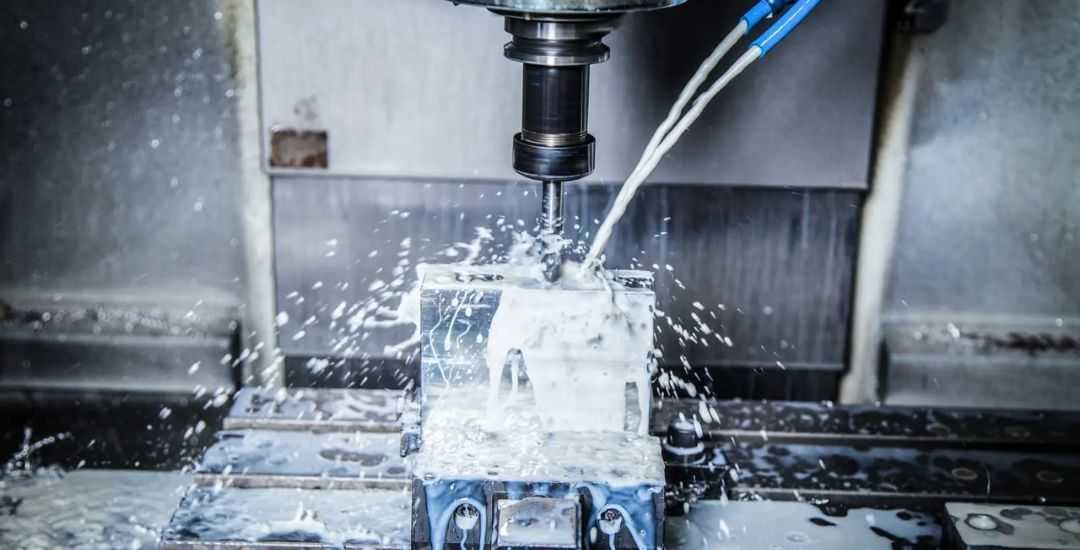
Even with precise CNC control, several challenges can affect drilling quality and tool life. Focusing on the most common issues allows for efficient troubleshooting and process optimization.
1. Drill Breakage
Drills may break due to excessive feed rates, chip clogging, severe tool wear, or insufficient rigidity caused by a high length-to-diameter ratio. Proper feed settings, secure fixturing, and regular tool inspections can prevent breakage.
2. Incorrect Hole Diameter
Holes can become oversized or undersized if the drill edges wear unevenly, the spindle has excessive runout, or machining parameters are incorrect. Monitoring tool condition and optimizing cutting parameters ensures accurate hole dimensions.
3. Hole Position Deviation
Holes may be misaligned when programming coordinates are inaccurate, the workpiece is improperly set up, or initial positioning is skipped. Careful setup and precise programming help maintain correct hole placement.
4. Poor Surface Finish or Burr Formation
Rough hole walls or burrs can occur if the drill is dull, feed rates are inappropriate, or cooling and lubrication are insufficient. Using sharp tools and adequate coolant flow improves surface quality and reduces post-processing needs.
Addressing these key challenges ensures consistent hole quality, prolongs tool life, and maximizes the efficiency of CNC drilling operations.
Conclusão
Although it may seem like a basic operation, CNC drilling is a foundational process that underpins modern manufacturing across multiple sectors. From smartphones and vehicles to aircraft and medical implants, every high-precision component depends on the accuracy and consistency provided by CNC drilling.
As CNC technology continues to advance, with faster spindles, smarter controls, and improved automation, the drilling process will further enhance manufacturing precision, efficiency, and reliability.
Looking for a precision machining solution? Consulting the right CNC drilling partner like the Beska team, who can ensure that your components meet exacting quality standards and production requirements.
Mergulhe mais fundo em nossos recursos
For some insightful reads, we’ve curated a list of recommended articles just for you:
 Portuguese
 English
 Hebrew
 Turkish
 French
 Russian
 German
 Spanish