


Materials sometimes fail in ways that seem unexpected. A stainless steel component exposed to high temperatures or a chloride-rich environment may develop corrosion or lose strength faster than anticipated. Inconel can resist extreme heat and aggressive chemicals, but its cost is much higher
This article explores Inconel and stainless steel across composition, temperature performance, mechanical strength, corrosion resistance, and machinability.
1. Definition and Basic Composition: Inconel vs Stainless Steel
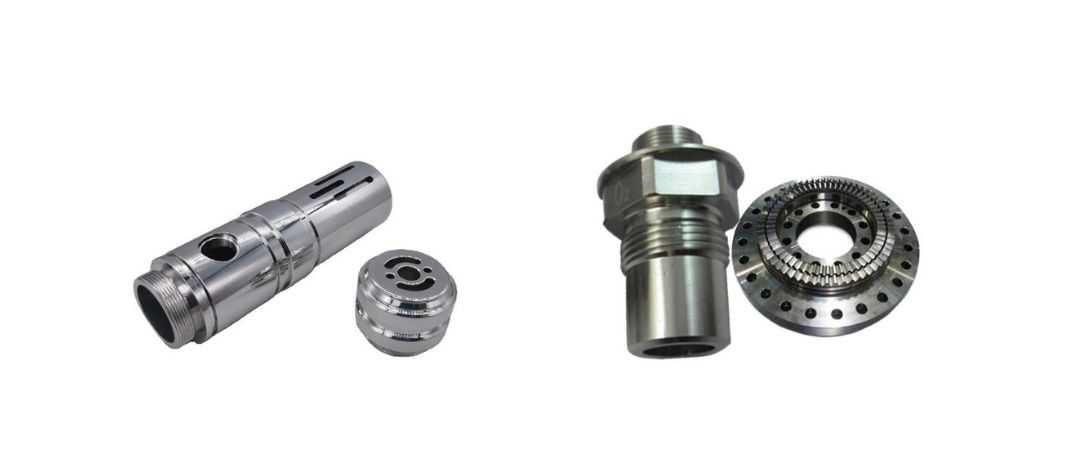
Stainless steel is an iron-based alloy with at least 10.5% chromium. The chromium forms a dense, passive oxide layer on the surface, giving stainless steel its signature corrosion resistance. Based on microstructure, it can be categorized as austenitic (304, 316), ferritic, martensitic, or duplex. For example, 316 stainless steel contains roughly 16–18% chromium, 10–14% nickel, and 2–3% molybdenum, which improves its resistance to pitting compared to 304.
Inconel, on the other hand, is a nickel-based superalloy. Typical compositions exceed 50% nickel and can reach over 70%. For instance, Inconel 600 has more than 72% nickel, 14–17% chromium, and 6–10% iron. Unlike stainless steel, Inconel was not designed for general corrosion resistance but for high-temperature stability and extreme corrosion resistance. In short:
- Stainless steel = “Iron reinforced with chromium”
- Inconel = “Nickel reinforced with chromium”
This fundamental compositional difference drives their divergent performance characteristics across all subsequent metrics.
| Material | Base Element | Key Alloying Elements | Typical Composition (Example Grade) |
| Aço inoxidável 304 | Fe | Cr, Ni | Fe≈69%, Cr 18–20%, Ni 8–10.5%, C≤0.08% |
| Aço inoxidável 316 | Fe | Cr, Ni, Mo | Fe≈65%, Cr16–18%, Ni10–14%, Mo2–3% |
| Inconel 625 | Ni | Cr, Mo, Nb | Ni≥58%, Cr20–23%, Mo8–10%, Nb3.15–4.15%, Fe≤5% |
| Inconel 718 | Ni | Cr, Mo, Ti | Ni 50–55%, Cr 17–21%, Mo 2.8–3.3%, Fe remainder |
The primary difference lies in the base element: stainless steel is iron-based for general corrosion resistance, while Inconel is nickel-based for high-temperature and extreme corrosion environments, setting the stage for their different performance characteristics.
2. High-Temperature Performance: Inconel vs Stainless Steel
High-temperature resistance is one of the most critical differences between the two.
- Stainless steel faces two major challenges at elevated temperatures: oxide scaling and reduced creep strength. For 316 stainless steel, continuous use is generally recommended below 600°C (≈1110°F). While the melting point is around 1400°C, mechanical properties degrade sharply above 700°C, and surface oxidation becomes severe.
- Inconel, by contrast, is engineered for heat. Its stable austenitic matrix and solid-solution strengthening from molybdenum, niobium, and other elements allow it to maintain structural integrity and oxidation resistance even above 1000°C. In high-temperature environments, Inconel develops a dense, strongly adherent chromium or aluminum oxide layer that effectively blocks further oxygen penetration.
| Alloy | Max Service Temp (approx.) | Melting Point Range | High-Temp Characteristics |
| 316 Stainless Steel | 600°C (continuous) / 850°C (intermittent) | 1370–1400°C | Strength drops >800°C, prone to oxidation and scaling |
| Inconel 600 | 980°C (oxidation resistance) / 700°C (structural) | 1370–1425°C | Excellent high-temp oxidation resistance, chloride SCC resistant |
| Inconel 625 | 982°C | 1290–1350°C | Extremely high creep rupture strength, resistant to multiple corrosive media |
Stainless steel performs well at moderate temperatures but weakens above 700°C, while Inconel retains strength and oxidation resistance in extreme heat, making it the preferred choice for high-temperature applications.
3. Mechanical Strength and Structural Performance: Inconel vs Stainless Steel
Mechanical strength determines how a material withstands applied loads and structural stress:
- Baseline strength: Standard austenitic stainless steels (304, 316) have moderate tensile strength (around 500–700 MPa) and excellent ductility, making them suitable for general structural applications. Precipitation-hardened stainless steels, such as 17-4PH, can reach tensile strengths over 1300 MPa after heat treatment, offering high performance for critical components.
- Inconel strength characteristics: Inconel alloys, such as 625 and 718, combine high yield and tensile strength with excellent fatigue resistance. Their nickel-based matrix provides strong solid-solution and precipitation strengthening, making them suitable for components under cyclic loading, high pressure, or mechanical stress.
- Welded and complex structures: Dissimilar welding of Inconel and stainless steel demonstrates good joint integrity, with tensile strength falling between the two base metals. Inconel’s strength and toughness allow reinforcement of high-stress zones without compromising overall structural performance.
- Deformation and creep resistance (structural relevance): While stainless steel can deform plastically under sustained loads, Inconel maintains dimensional stability under prolonged stress, reducing the risk of creep or permanent deformation in demanding structural applications.
Inconel offers higher structural strength, fatigue resistance, and dimensional stability under load, while stainless steel provides moderate strength with superior ductility, making each suitable for different structural roles.
4. Corrosion Resistance of Inconel and Stainless Steel
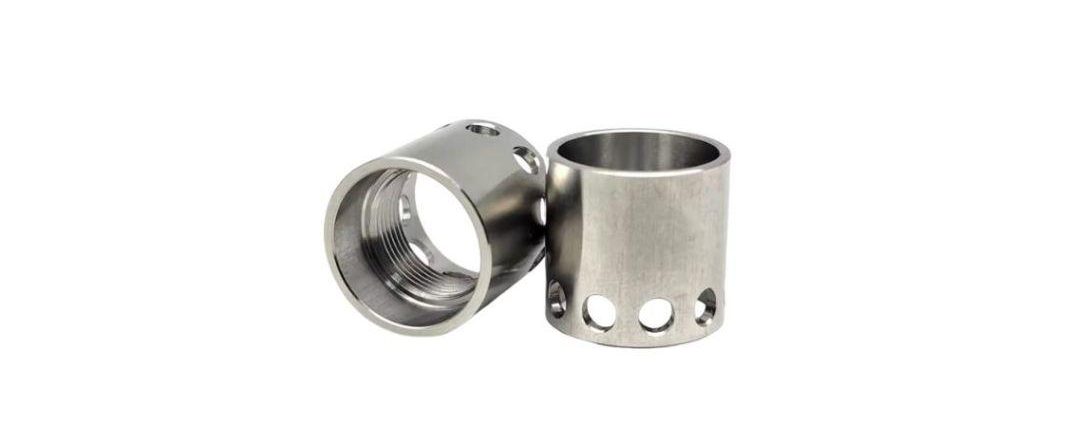
Corrosion resistance is a major factor in choosing between stainless steel and Inconel:
- Stainless steel: 316 stainless steel performs well in most natural and mild industrial environments. Its chromium and nickel content provides general corrosion resistance, while molybdenum improves resistance to chloride-induced pitting.
- Inconel: Inconel takes corrosion resistance to a higher level, especially in aggressive environments.
- Chloride stress corrosion cracking (Cl-SCC): 300-series stainless steels are prone to cracking in high-temperature, high-chloride conditions. Inconel’s high nickel content (over 40%) makes it highly resistant.
- Reducing acids: Inconel 625 can withstand hydrochloric and sulfuric acids even at elevated temperatures.
- Marine and saltwater exposure: The PREN (pitting resistance equivalent number) highlights this difference: 316L has a PREN of about 24–28, while Inconel 625 reaches 46–56, nearly twice as high, providing longer service life in seawater or salt spray.
Stainless steel is reliable in moderate or mildly corrosive environments, while Inconel excels in extreme or aggressive conditions, offering extended durability and resistance where failure is not an option.
5. Machinability and Weldability: Inconel vs Stainless Steel
Material choice affects not just performance but also ease of fabrication and cost:
- Stainless steel: Easily machined and formed with standard tooling. Welding and forming processes are mature and widely established.
- Inconel: More demanding due to rapid work hardening, poor thermal conductivity, and sensitivity to contamination during welding. Specialized tooling, low-speed high-feed machining, and skilled welders are required.
| Propriedade | 316 Stainless Steel | Inconel 625/718 |
| Usinabilidade | Good, standard tools | Challenging, specialized tooling, low speed, high feed |
| Soldabilidade | Medium, mature processes | High difficulty, requires clean environment and experience |
| Custo do material | Baseline (1x) | Very high (5–10x or more) |
| Manufacturing Cost | Baixo | Very high (long machining time, high tool wear) |
Stainless steel is cost-effective and easy to process, while Inconel requires specialized skills and equipment, increasing production complexity and expenses.
6. Material and Lifecycle Costs in Stainless Steel vs Inconel
Cost is often a deciding factor, but the true value of a material goes beyond the initial price:
- Material cost: Inconel alloys are significantly more expensive than 316 stainless steel, often 5–10 times higher depending on the grade. Stainless steel remains the economical choice for projects with strict budget constraints or where material demands are moderate.
- Manufacturing and processing cost: Inconel requires specialized tooling, slower machining speeds, and experienced welders, all of which increase production time and expenses. Stainless steel can be processed with standard equipment, resulting in lower manufacturing costs.
- Lifecycle considerations: In critical applications where failure could cause safety hazards, production downtime, or expensive maintenance, Inconel’s superior high-temperature and corrosion resistance can provide substantial long-term savings. Extended service life and reduced maintenance frequency often outweigh the high upfront cost.
- Decision logic: For standard industrial components or mild environments, stainless steel typically offers the best balance of cost and performance. For extreme environments, aggressive chemicals, or high-stress/high-temperature applications, the higher initial investment in Inconel is justified by reliability and durability over the material’s lifecycle.
Stainless steel is cost-effective for general use, while Inconel represents a strategic investment for demanding environments where long-term reliability and safety outweigh initial expenses.
7. Typical Applications of Stainless Steel and Inconel
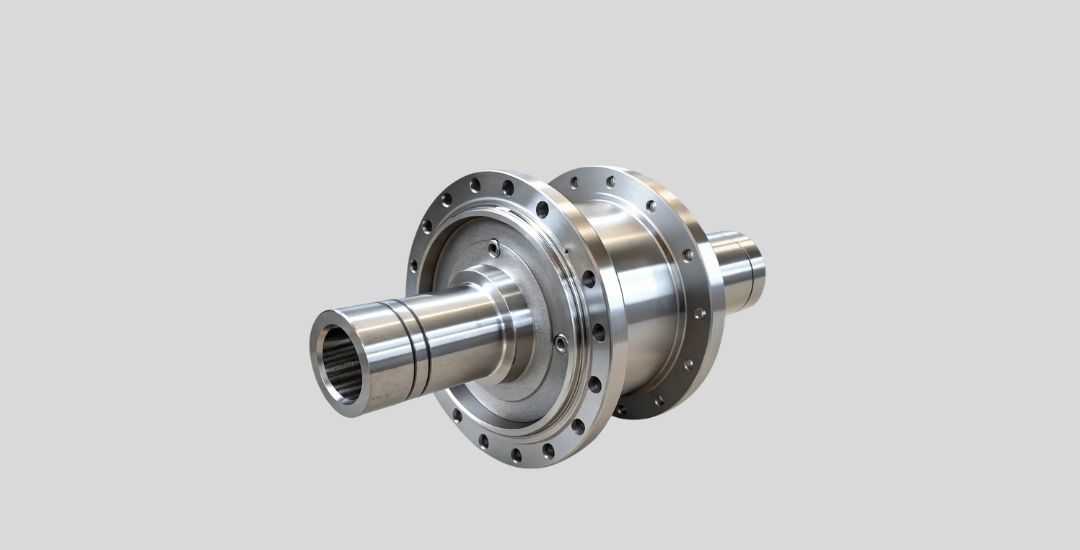
Material choice depends on operating conditions and environment.
316 Stainless Steel performs well in mild to moderate environments. It is used in food processing for tanks, piping, and work surfaces. In marine settings, it protects railings and ship interiors in non-submerged areas. It also suits chemical containers storing oxidizing acids like nitric acid and medical or pharmaceutical equipment such as surgical tools and device housings.
Inconel is designed for extreme conditions. Aerospace components like turbine blades, combustion chambers, and rocket engine parts rely on it for heat and stress resistance. In oil and gas, it protects deepwater wellheads and sour gas pipelines. Nuclear applications include reactor core components and steam generator tubes. Chemical processing often involves reactors and piping handling strong acids, bases, or high temperatures. Heat treatment equipment such as furnace rollers and baskets also benefits from its durability under repeated thermal cycling.
Stainless steel is reliable and cost-effective for moderate conditions. Inconel delivers long-term performance in extreme environments where failure is not an option.
8. Material Selection: Practical Guidance
Deciding between stainless steel and Inconel comes down to operating conditions and risk factors. A simple comparison highlights the best choice for common scenarios:
| Decision Factor | Preferred Stainless Steel | Preferred Inconel |
| Operating Temperature | <500°C | >600°C |
| Cooling Medium | Water, air, organic solvents | High-chloride seawater, strong acids/bases |
| Stress Conditions | Routine | High thermal or mechanical fatigue |
| Budget Orientation | Low initial cost, easy replacement | Low lifecycle cost, critical reliability |
For standard conditions, 316L stainless steel balances cost and performance. Inconel is justified in extreme temperatures, corrosive environments, or high-stress applications where reliability is essential.
Conclusão
Stainless steel offers a balance of cost, machinability, and versatility, making it suitable for moderate temperatures and typical industrial environments. Inconel stands out under extreme conditions, providing excellent resistance to high heat, aggressive chemicals, and mechanical stress, ensuring long-term reliability where failure is not an option. The choice between the two affects equipment performance, maintenance needs, and overall lifecycle costs.
Consulting a supplier like the Beska team experienced in both stainless steel and Inconel ensures the material is matched to the application, production runs smoothly, and long-term operational goals are met.
Mergulhe mais fundo em nossos recursos
For some insightful reads, we’ve curated a list of recommended articles just for you:
 Portuguese
 English
 Hebrew
 Turkish
 French
 Russian
 German
 Spanish