


C10100 copper is often selected when high electrical conductivity alone is not enough. Its key distinction is the combination of at least 99.99% copper purity, extremely low oxygen content, and a minimum electrical conductivity of 101% IACS. This makes it particularly useful where high conductivity must be combined with resistance to hydrogen embrittlement in elevated-temperature environments.
From a manufacturing perspective, C101 is soft and highly ductile, which can make machining more demanding than its low hardness might suggest. Long chips, built-up edge, surface marking, and temperature-related dimensional changes all require attention during production. These characteristics also help explain when C101 is worth specifying instead of more common high-conductivity grades such as C110.
1. What is C101 Copper?
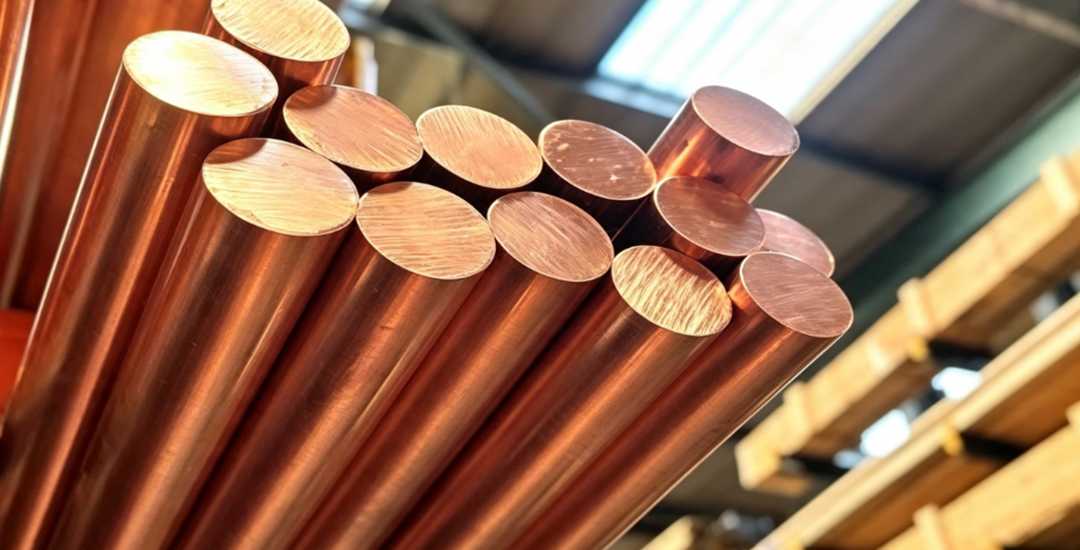
C10100 is an oxygen-free electronic (OFE) copper grade known for very high electrical conductivity and tightly controlled oxygen content. It contains at least 99.99% copper, with oxygen limited to very low levels, making it different from more common electrolytic tough pitch copper grades such as C11000.
The low oxygen content becomes important when copper is exposed to hydrogen at elevated temperatures. In oxygen-bearing copper, hydrogen can react with copper oxides and form water vapor within the material, which may lead to grain-boundary damage and hydrogen embrittlement. Oxygen-free copper greatly reduces this risk.
C10100 is therefore used where high conductivity must be combined with high purity or resistance to hydrogen-related embrittlement. ASTM F68 covers C10100 oxygen-free copper intended for electron-device applications, while other ASTM specifications apply depending on the required product form.
2. Key Properties of C101 Copper
C10100 combines very high electrical conductivity with high copper purity and extremely low oxygen content. These properties are more useful for material selection than treating conductivity alone as the reason to specify the grade.
| Propriedade | Typical / Specified Value | Note |
| Copper content | ≥99.99% | UNS C10100 composition requirement |
| Oxygen content | ≤5 ppm | One of the key differences from oxygen-bearing copper grades |
| Electrical conductivity | ≥101% IACS | Minimum in the annealed condition |
| Thermal conductivity | About 390 W/(m·K) | Representative value near room temperature |
| Densidade | About 8.94 g/cm³ | Typical room-temperature value |
| Melting temperature | About 1083°C | Representative value for high-purity copper |
C101 is also relatively soft and ductile, particularly in the annealed condition. Its mechanical properties can change considerably with temper and cold work, so hardness and strength should be checked against the actual material condition rather than treated as fixed values.
For electrical components, operating temperature also matters because copper resistivity increases as temperature rises. Current-carrying designs should therefore use the applicable temperature-dependent electrical data rather than assuming the room-temperature conductivity remains constant in service.
3. Advantages of C101 Copper
C101 combines very high electrical and thermal conductivity with high purity and excellent formability. Its main advantage becomes most apparent when these properties are required together with extremely low oxygen content.
High Electrical and Thermal Conductivity
C101 provides a minimum electrical conductivity of 101% IACS in the annealed condition, together with high thermal conductivity. This makes it suitable for conductors, electrical contacts, heat-transfer components, and other parts where electrical or thermal losses need to be minimized.
The conductivity advantage should not be viewed in isolation, however. Other high-conductivity copper grades can offer similar performance, so C101 is usually specified when conductivity must be combined with tighter purity and oxygen requirements.
Low Oxygen Content
The extremely low oxygen content is one of the most important advantages of C101. In oxygen-bearing copper, exposure to hydrogen at elevated temperatures can cause reactions with copper oxides and lead to internal grain-boundary damage. C101 greatly reduces this susceptibility, which is valuable in applications involving brazing, certain welding processes, vacuum equipment, and electron-device components.
This does not mean that every welding process is automatically suitable for C101. Weldability still depends on the joining method and process conditions, but its oxygen-free composition removes an important limitation associated with oxygen-bearing copper.
Excellent Formability
C101 also has excellent cold-work and hot-forming capability. It can be drawn, bent, stamped, headed, and formed into complex shapes, particularly in softer tempers.
Mechanical properties change with temper and the amount of cold work, so forming limits should be based on the actual material condition rather than a single hardness value.
4. Limitations of C101 Copper
C101 offers high conductivity and very low oxygen content, but these properties do not make it the best copper grade for every application. Its soft, ductile behavior can complicate machining and handling, while its high-purity specification may add cost where oxygen-free copper is not actually required.
Softness and Surface Damage
C101 is relatively soft in the annealed condition. Finished surfaces can therefore be scratched, dented, or marked by aggressive workholding, and thin sections may deform if clamping forces are too high.
The exact hardness depends on temper and prior cold work, so machining and handling methods should be based on the supplied material condition rather than a single hardness value.
Work Hardening and Machinability
Like other copper materials, C101 becomes stronger and harder as it is cold worked. This can affect forming operations and may require intermediate annealing when substantial deformation is involved.
Its ductility also makes machining more demanding. Long chips, material smearing, and built-up edge can affect surface finish and chip control, particularly when cutting edges are not sharp. These machining characteristics are discussed in more detail later in this article.
Higher Material Cost
C101 may carry a higher material cost than more common high-conductivity grades such as C110 because of its tighter purity and oxygen requirements.
That premium is easier to justify when the design specifically requires oxygen-free electronic copper, high purity, or resistance to hydrogen-related embrittlement. When those requirements are absent, another high-conductivity copper grade may provide a more economical option.
5. Typical Applications of C101 Copper
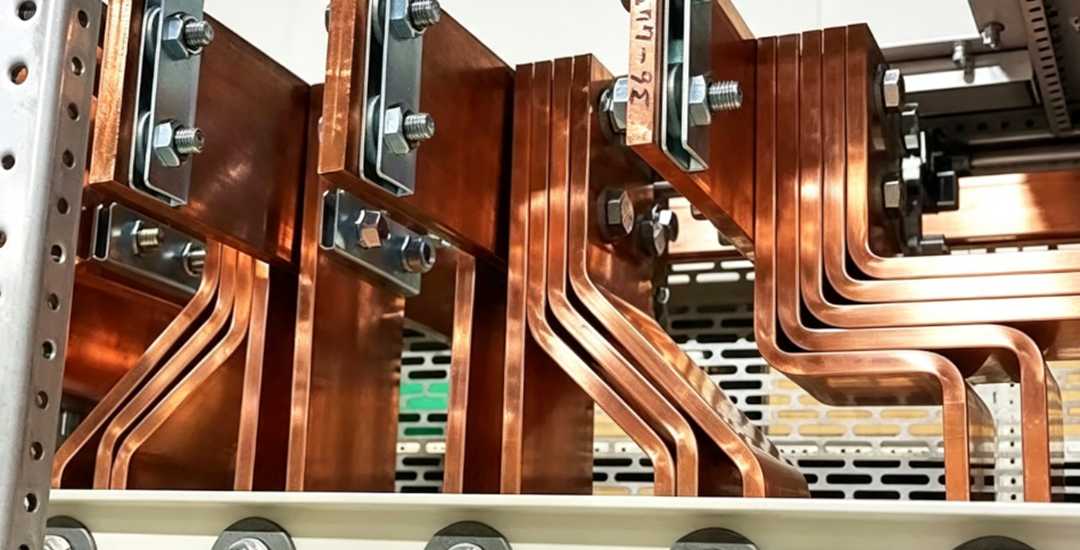
C101 is mainly selected when high electrical or thermal conductivity must be combined with high purity and very low oxygen content. This makes it useful in both general conductive components and more demanding electron-device or high-temperature applications.
Electrical and Electronic Components
C101 is used for conductors, electrical contacts, bus bars, terminals, and other components that need high electrical conductivity. Its value becomes more significant when the design also requires tighter purity or oxygen control.
For applications where conductivity is the only priority, grades such as C110 may provide similar electrical performance at a lower material cost.
Electron-Device and Vacuum Components
The oxygen-free composition of C101 makes it suitable for waveguides, vacuum-tube components, feedthroughs, and other parts used in controlled-atmosphere or high-vacuum systems.
Its very low oxygen content reduces susceptibility to hydrogen-related grain-boundary damage under elevated-temperature conditions, which is important in these applications.
Heat-Transfer Components
C101 can also be used for heat spreaders, cooling plates, heat sinks, and other components that rely on efficient thermal transfer.
Its high thermal conductivity is valuable in thermal-management systems, although other high-conductivity copper grades may also be suitable when oxygen-free composition is not required.
Brazed and Welded Components
C101 is often considered for brazed or welded copper parts when low oxygen content is important to the joining process or service environment.
Its oxygen-free composition reduces the risk of hydrogen-related embrittlement associated with oxygen-bearing copper at elevated temperatures. The final material choice should still consider the specific joining method, joint design, and operating conditions.
6. C101 vs C110 Copper: Key Differences
C101 and C110 are both high-conductivity copper grades, and their machining behavior is broadly similar. The more important difference is composition: C101 is a high-purity oxygen-free electronic copper, while C110 is an electrolytic tough pitch copper that contains more oxygen.
| Propriedade | C10100 | C11000 |
| Copper purity | ≥99.99% | ≥99.90% |
| Oxygen content | ≤5 ppm | Oxygen-bearing ETP copper |
| Electrical conductivity | ≥101% IACS | ≥100% IACS |
| Machinability rating | 20 | 20 |
| Hydrogen embrittlement resistance | High resistance due to very low oxygen | Susceptible under certain high-temperature reducing conditions |
| Typical use | Electron devices, vacuum components, high-purity or oxygen-sensitive applications | Bus bars, conductors, terminals, and general electrical components |
| Relative material cost | Generally higher | Generally lower |
The low oxygen content of C101 becomes important when copper is exposed to hydrogen at elevated temperatures. Oxygen-bearing copper can develop grain-boundary damage through reactions involving copper oxides, while oxygen-free C101 avoids this specific failure mechanism.
For general electrical parts that mainly require high conductivity, C110 is often sufficient and more economical. C101 becomes more appropriate when the drawing or service environment specifically requires higher purity, extremely low oxygen content, or resistance to hydrogen-related embrittlement.
7. Machining C101 Copper
C101 is relatively soft, but that does not make it easy to machine. Its high ductility can produce long, continuous chips, material smearing, and built-up edge, while its thermal expansion and low stiffness can complicate dimensional control on precision parts.
Machining Behavior and Surface Finish
Sharp cutting edges and positive tool geometry are important when machining C101. Dull tools tend to push and smear the material rather than produce a clean cut, which can leave torn surfaces, burrs, or visible tool marks.
Chip control also requires attention because ductile copper tends to form long chips that can wrap around the tool or workpiece. Cutting conditions should therefore be selected to maintain a stable cut and remove chips effectively.
Tooling and Workholding
Carbide tooling is commonly used for general C101 machining, while PCD may be considered when very good surface finish or longer tool life is required in production. Tool choice should depend on the operation, tolerance, surface requirement, and production volume rather than on a single tooling rule.
Workholding is equally important. Excessive clamping force can mark soft copper surfaces or distort thin sections, so jaws, contact surfaces, and clamping pressure should be selected carefully.
Estabilidade Dimensional
Copper has a relatively high coefficient of thermal expansion, about 17 × 10⁻⁶/°C. Temperature changes during machining can therefore create measurable dimensional differences on tight-tolerance parts, especially when dimensions are checked before the part has returned to a stable temperature.
Residual stresses from cold-worked stock can also cause movement as material is removed. For sensitive geometries, machining sequence, stock condition, balanced material removal, and temperature control should all be considered before final dimensions are produced and inspected.
8. When to Choose C101 Instead of C110
C101 is the better choice when the design specifically requires very high copper purity, extremely low oxygen content, or resistance to hydrogen-related embrittlement in relevant high-temperature environments. It is also appropriate when the drawing or industry specification explicitly calls for oxygen-free electronic copper.
C110 is often sufficient for general electrical conductors, bus bars, terminals, and other parts where high conductivity is the main requirement. Its electrical performance is close to C101, while the material is generally more widely available and less expensive.
The decision should therefore be based on purity, oxygen control, joining conditions, service environment, and applicable material specifications rather than conductivity alone.
Conclusão
C101 is most valuable when high conductivity must be combined with very low oxygen content. If those requirements are not critical, a more common copper grade may be more practical.
For CNC-machined copper parts, material selection should be considered together with tolerance, geometry, and finishing requirements. Beska can review these factors before production to help reduce unnecessary cost and manufacturing risk.
 Portuguese
 English
 Hebrew
 Turkish
 French
 Russian
 German
 Spanish