


When cutting thin or intricate metal sheets, even a slight deviation can lead to misaligned parts, wasted material, or costly rework. Traditional methods like plasma or flame cutting often struggle with precision and surface quality, especially on delicate or high-reflectivity metals.
Metal laser cutting addresses these challenges by providing contactless processing, high accuracy, and faster cutting speeds, making it a reliable solution for manufacturers seeking both efficiency and precision.
This article explains the main types of metal laser cutters, their suitable materials and thickness ranges, typical cutting accuracy, common challenges and solutions, as well as practical applications across industries.
1. Key Types of Metal Laser Cutting Machines

Metal laser cutting works by using a high-energy laser beam to melt or vaporize metal, often assisted by a gas to achieve the cut. Different types of laser cutting machines suit different applications, and selecting the right one depends on your specific requirements.
1.1. Fiber Laser Cutting Machines—The Mainstream Choice
How it works: Fiber lasers transmit the beam through a fiber, focusing energy on an extremely small spot (down to 0.1 mm). The high energy density allows fast, precise cutting.
Key features:
- High energy efficiency (up to 30% or more), reducing operating costs.
- Excellent beam quality, smooth edges, and high precision.
- Strong interference resistance, low maintenance.
- Suitable for continuous, long-duration production.
1.2. CO₂ Laser Cutting Machines – For Specialized Metals
How it works: CO₂ gas is energized to produce a 10.6 μm wavelength laser, which certain metals absorb effectively.
Key features:
- Longer wavelengths allow better absorption for reflective metals like copper and brass.
- Moderate cutting speed, ideal for medium-thickness metals.
1.3. YAG Laser Cutting Machines – For Thick Plates
How itworks: Usingan Nd:YAGG crystal with flash-lamp pumping, this laser emits a 1.06 μm wavelength beam, using high-energy pulses to cut thicker metal plates.
Key features:
- High pulse energy enables cutting of thick metals (e.g., carbon steel over 20 mm).
- Stable laser output suitable for applications requiring deep cuts.
Choosing the Right Machine by Application
| Material / Scenario | Recommended Machine | Key Reason |
| Thin sheets (<6mm), high precision, high speed | Fiber Laser | Fast cutting, high absorption, low maintenance, suitable for batch production |
| Medium-thick plates (>10mm), low-carbon steel | CO₂ Laser | Stable for thick plates, energy-efficient with oxygen cutting |
| Highly reflective metals (copper, aluminum) | Fiber Laser | 1.06 μm wavelength absorbs reflective metals better than CO₂, preventing damage |
| Ultra-thick plates (>20mm), high budget | Disc Laser | Efficient for very thick cuts under high power, though expensive |
| Precision micro-cutting (<0.5mm) | YAG Laser | Extremely high accuracy for small batches or specialized applications |
The right laser cutter depends on material, thickness, and precision needs, with fiber lasers leading for thin sheets, CO₂ for medium-thick steel, and YAG or disc lasers for specialized or ultra-thick applications.
2. Vantagens do corte a laser em relação aos métodos tradicionais
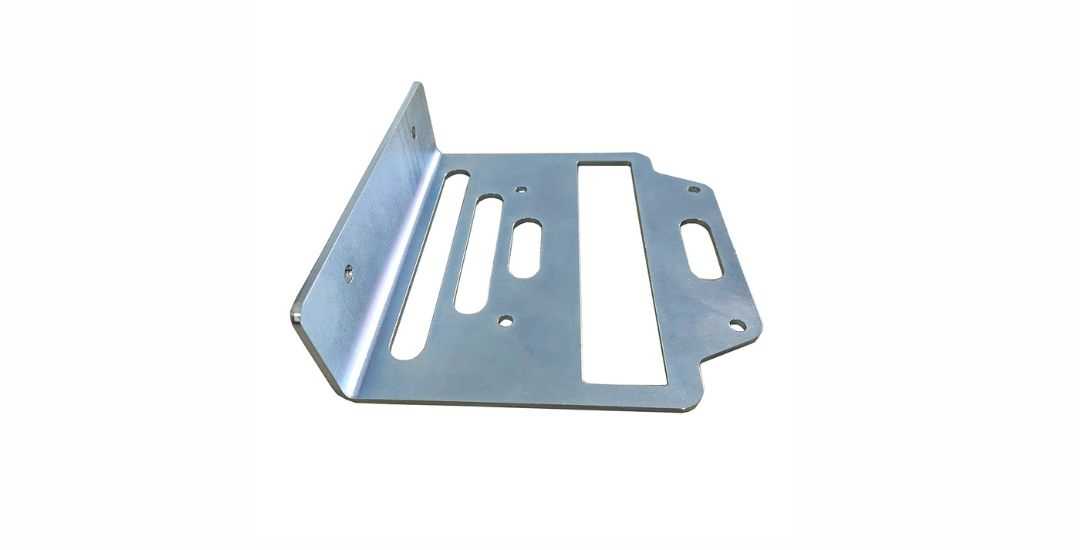
Laser cutting offers clear advantages compared with traditional plasma, flame, or mechanical cutting:
- High Precision: Fiber lasers can cut thin carbon steel sheets (0.5–6 mm) with ±0.05 mm accuracy, producing smooth edges and minimal burrs.
- Contactless Processing: Since the laser does not physically touch the material, deformation or scratches are greatly reduced, which is especially important for thin or delicate metals like aluminum and stainless steel.
- Faster Cutting Speeds: Depending on material and thickness, cutting speeds can reach 10 m/min for thin steel sheets, improving throughput by 30–50% over plasma cutting.
- Flexibility for Complex Designs: Lasers can easily create intricate shapes, micro-holes, and fine patterns without specialized tooling, enabling customization for both prototypes and mass production.
- Lower Maintenance Costs: Fewer moving parts and reduced tool wear compared with mechanical cutting minimize downtime and operational costs.
These benefits make laser cutting a highly efficient and versatile choice, outperforming traditional methods in precision, speed, and design flexibility.
3. Materials, Thickness, and Typical Accuracy of Metal Laser Cutting
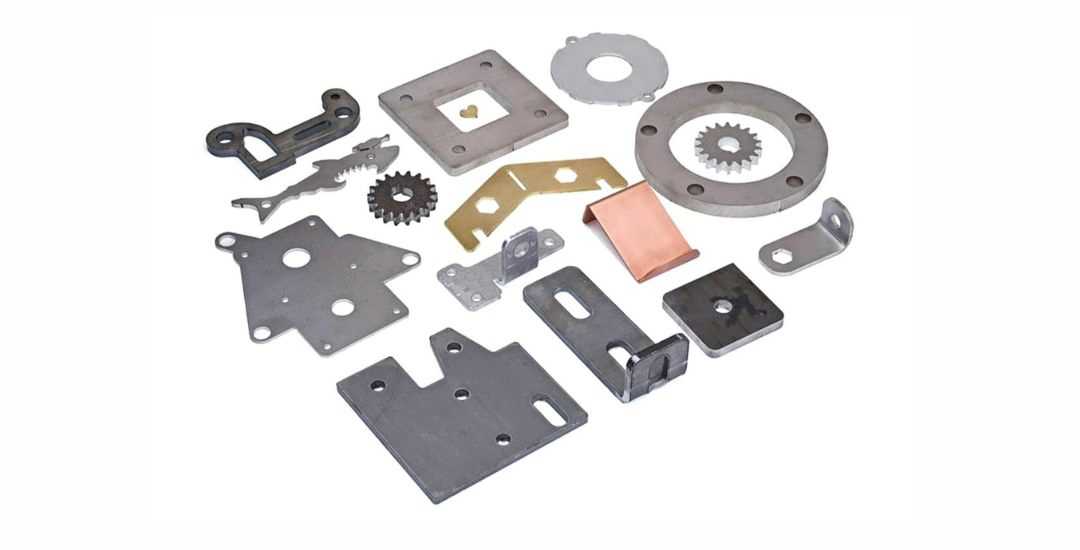
Different metals have unique properties, from melting point and reflectivity, to thermal conductivity. These factors will affect laser cutting feasibility, efficiency, and precision. Below is a summary of common metals, recommended machines, thickness ranges, and typical cutting accuracy:
| Material | Typical Thickness (mm) | Recommended Machine(s) | Typical Accuracy | Notas |
| Aço carbono | 0.5–25 | Fiber Laser; YAG for >20 mm | ±0.05–0.1 mm | Q235, Q355, SPCC; Fiber lasers are efficient for most thicknesses; high-power YAG for very thick plates |
| Aço inoxidável | 0.5–20 | Fiber Laser; CO₂ for thin 430/201 | ±0.05–0.08 mm | 304, 316, 430, 201; control HAZ to prevent oxidation or warping |
| Alumínio | 0.5–15 | High-power Fiber Laser ≥2 kW | ±0.08–0.1 mm | 6061, 5052, 7075, 1060; may require nitrogen gas assistance |
| Copper / Brass | 0.5–8 | High-power Fiber Laser ≥3 kW; CO₂ for thin sheets | ±0,1 mm | T2, H62, QSn6.5-0.1, HPb59-1; reflective and conductive, needs careful parameters |
| Other Metals | Varies | Fiber / CO₂ / Specialized | Varies | Titanium, nickel alloys, galvanized sheets; inert gas or precise control needed |
By reviewing this table, manufacturers can quickly identify which laser type suits a specific metal and thickness while keeping expected precision in mind.
4. Factors Affecting the Cutting Precision of Metal Laser Cutting
The precision of laser cutting metal depends on several key factors that interact closely:
Laser Type and Power
Fiber lasers typically achieve ±0.05 mm on thin carbon steel, while CO₂ lasers are slightly less precise at around ±0.1 mm. High-power lasers can cut thicker plates more quickly but require careful parameter adjustments to maintain edge quality.
Machine Stability
The rigidity of the machine frame, precision of linear rails, and responsiveness of servo motors directly impact repeatability and reduce vibration-induced errors.
Optical System Quality
Lenses, mirrors, and focusing optics determine beam spot size and quality. A well-aligned, high-quality optical system ensures narrow kerf width and smooth edges.
Material Characteristics
The thickness, surface condition, thermal conductivity, and reflectivity of the material all influence cutting accuracy. Thinner sheets are generally easier to cut precisely, while thicker or highly conductive metals may require slower speeds or multiple passes.
Auxiliary Gas
The type and pressure of assist gas affect both precision and surface finish. Oxygen accelerates carbon steel cutting but may cause edge oxidation; nitrogen prevents oxidation on stainless steel and aluminum, producing clean, high-quality edges.
Overall, cutting precision results from the combined effects of laser type, machine stability, optics, material properties, and assist gases, all of which must be carefully controlled for optimal results.
5. Applications of Laser Cutting Metal Across Industries
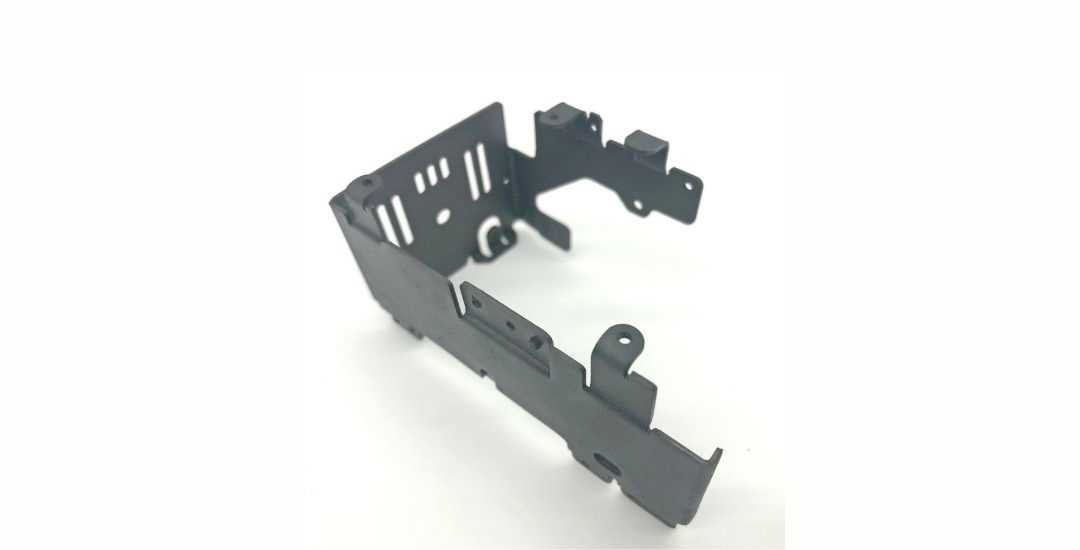
Laser cutting is widely used in multiple industries, where precision, speed, and material versatility are critical:
- Automotive: Laser cutting is used for body panels, brackets, and structural components. High precision and smooth edges reduce assembly errors and improve fit. Typical materials include low-carbon steel (Q235, Q355) and aluminum alloys (6061, 5052).
- Aerospace: Aluminum and titanium alloys benefit from the laser’s high accuracy and minimal heat-affected zone, essential for lightweight structural parts and panels.
- Electronics: Enclosures, connectors, and heat sinks require micro-precision. Laser cutting allows clean edges on thin stainless steel and aluminum sheets, supporting efficient assembly.
- Medical Devices: Surgical instruments, implants, and medical enclosures demand tight tolerances (often ±0.03–0.05 mm) and oxidation-free surfaces, achievable with fiber or YAG lasers.
- General Manufacturing: Industrial machinery, decorative components, and sheet metal parts benefit from faster production, repeatable precision, and the ability to cut complex patterns without additional tooling.
Across industries, laser cutting delivers consistent precision, faster production, and the flexibility to handle diverse materials and complex designs.
6. Future Trends in Metal Laser Cutting
As manufacturing demands evolve, laser cutting technology continues to advance, driven by the need for higher precision, efficiency, and sustainability. Several trends are shaping the future of metal laser cutting:
- Higher-Power Lasers: Increasing laser power allows manufacturers to cut thicker materials more efficiently and tackle complex geometries without compromising precision. This expansion makes high-power fiber and disc lasers essential for heavy-duty industrial applications.
- Automation and Smart Systems: AI and machine learning are being integrated to automatically optimize cutting parameters, monitor equipment health, and predict maintenance needs. These systems reduce human error, improve repeatability, and enable near-unattended operation.
- Sustainable Manufacturing: Energy efficiency, minimized emissions, and optimized material usage are becoming core considerations. Advances in laser optics, assist gas management, and process control contribute to greener production while maintaining quality.
- Integration with Other Technologies: Combining laser cutting with complementary processes—such as 3D printing, waterjet cutting, or bending—enables more versatile fabrication workflows. This hybrid approach allows manufacturers to produce complex parts faster and with fewer steps.
These trends indicate that laser cutting will become even more capable, efficient, and environmentally conscious, meeting the evolving needs of modern manufacturing.
Conclusão
Effective metal laser cutting refers to understanding how material properties, machine capabilities, and process choices interact to shape the final product. Manufacturers who approach these decisions holistically can optimize workflow, reduce trial-and-error, and unlock design possibilities that were previously difficult or costly.
In practice, this means choosing the right laser for each material, carefully managing thickness and reflectivity challenges, and leveraging automation or hybrid processes where appropriate, so every project benefits from both efficiency and reliability.
To turn ideas into reliable results, it’s essential to partner with a supplier like the Beska team who can match the right laser technology to your materials and requirements while provide guidance on thickness and precision challenges.
Mergulhe mais fundo em nossos recursos
For some insightful reads, we’ve curated a list of recommended articles just for you:
- How to Bend Sheet Metal
- Sheet Metal Blanking
- Punching Process in Sheet Metal
- Automotive Sheet Metal Fabrication
- Sheet Metal Forming Service
 Portuguese
 English
 Hebrew
 Turkish
 French
 Russian
 German
 Spanish