
Custom Vacuum Casting Service
- No Expensive Metal Tooling
- ±0.2 mm Dimensional Accuracy
- 3–7 Day Turnaround

Beska – лучшее качество по конкурентоспособной цене.
Мы здесь, обладая опытом в изготовлении листового металла и обработке на станках с ЧПУ.
Почему стоит выбрать вакуумное литье?
Vacuum casting perfectly fills the gap between 3D printing and mass production injection molding. It is ideal when you need:
Small batch production
Economical for short runs from 5 to 200 parts without the high costs and delays of metal tooling. This makes it ideal for rapid prototypes, market tests, or limited production runs.
Rapid turnaround
Compared to plastic injection molding, vacuum casting can deliver parts within days rather than weeks, helping you accelerate your product development cycle.
Versatile material options
Choose from a wide range of polyurethane resins that closely mimic materials like ABS, polypropylene, and flexible rubber-like compounds, enabling you to tailor parts to specific mechanical and aesthetic needs.
Vacuum casting is a flexible and cost-effective solution across industries such as automotive, medical devices, and consumer electronics. It’s a reliable way to combine quality, speed, and affordability at every stage of your project.

Our Vacuum Casting Capabilities
To ensure your project meets the industry standards, we customize the vacuum casting parts tailored to your specific needs. Below is an overview of our key production parameters and service features that guarantee quality, precision, and fast turnaround:
| Capability | Спецификация | Details/Notes |
| Макс. размер детали | Up to 800 mm | Suitable for large prototype and production parts |
| Typical Tolerance | ±0,2 мм | Ensures dimensional accuracy for fit and function |
| Mold Life | 15–25 shots | Dependent on geometry and material used |
| Варианты материалов | Rigid, flexible, transparent, rubber-like | Wide range mimicking ABS, PC, PP, TPU, etc. |
| Color Matching | Pantone, custom colors | Precise color replication available |
| Поверхностная отделка | Matte, gloss, texture, chrome plating, soft touch coating | Various finishes to suit industry needs |
| Объем производства | 5 to 100+ parts | Ideal for rapid prototyping and small batch production |
| Время выполнения | 3 to 7 business days | Fast turnaround from order to delivery |
| Quality Documentation | Inspection reports, sample confirmation photos/videos, packaging records | Full traceability and customer transparency |
Vacuum Casting Process at Beska
At Beska, we have carefully optimized every step of the vacuum casting process to ensure that each part meets the highest standards of quality, precision, and finish:
1. Master Model Creation
Our skilled engineering team starts by producing a highly detailed master pattern, typically using SLA 3D printing or CNC machining. This master serves as the original model from which the silicone mold is made. We focus on achieving a smooth surface finish and accurate dimensions to guarantee the best possible reproduction.
2. Silicone Mold Fabrication
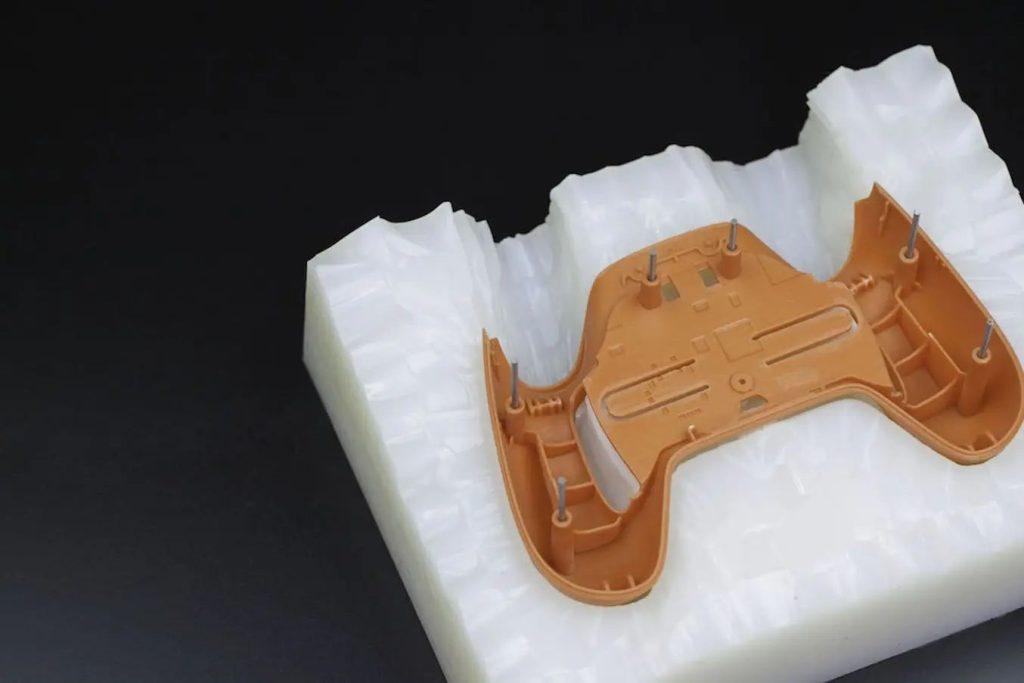
Next, we create flexible silicone molds by carefully pouring and curing liquid silicone rubber around the master model. These molds are durable and capable of producing multiple castings while preserving fine surface details and geometric accuracy.
3. Vacuum Resin Casting
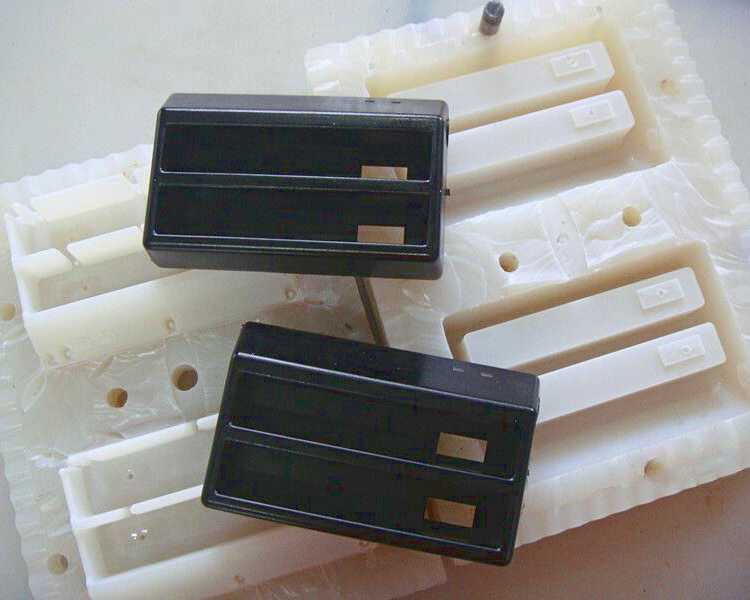
Using a vacuum chamber, we pour high-quality polyurethane resin into the silicone mold. The vacuum environment eliminates air bubbles and ensures the resin completely fills the mold cavity, resulting in parts with excellent surface quality and dimensional accuracy.

4. Curing & Demolding
The resin is rapidly cured under strictly controlled temperature conditions to solidify the parts. Once fully cured, parts are carefully removed from the mold, minimizing any risk of damage or deformation.
5. Post-Processing
To meet your exact aesthetic and functional needs, we offer a wide range of finishing options, including sanding, polishing, painting, plating, and soft-touch coatings. These post-processing steps ensure your parts not only function as intended but also have a professional, production-ready appearance.
We take pride in refining every step from the initial master model to the final finish. With our vacuum casting process, you get custom parts with consistent quality, great detail, and quick turnaround.
Применимые материалы для вакуумного литья
At Beska, we offer a versatile range of polyurethane resins engineered to closely replicate the performance and look of various thermoplastics and elastomers used in production parts:
Rigid Materials
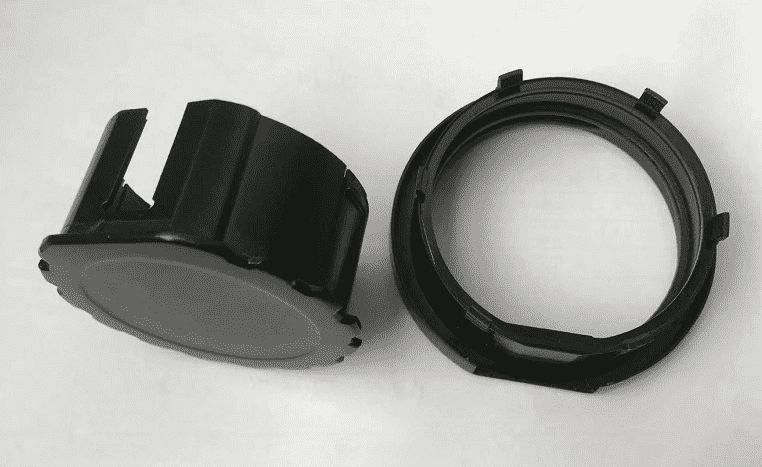
These mimic common engineering plastics like ABS, PC, or PP, providing excellent strength, rigidity, and durability. They deliver a smooth surface finish ideal for functional prototypes and parts that require structural integrity and visual appeal.
Flexible/Rubber-Like Materials
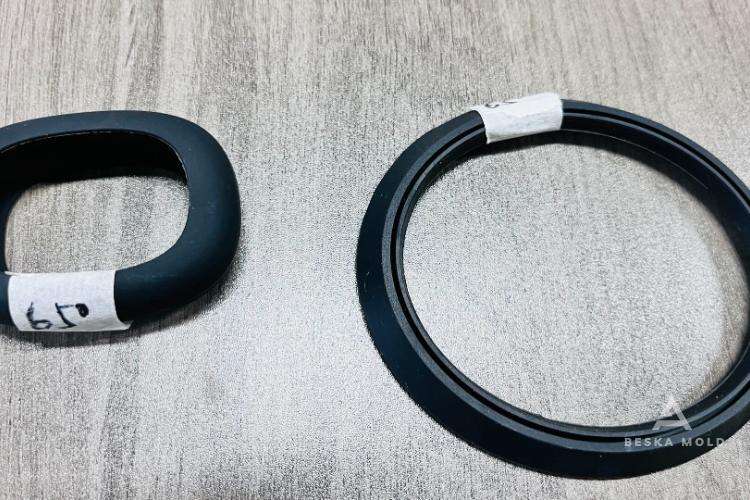
With Shore A hardness ranging from 30A (soft) to 90A (firm), these materials offer elasticity and impact resistance. Perfect for parts like gaskets, grips, and seals, they provide the flexibility needed for components that experience bending, compression, or repeated use.
Transparent & Translucent Resins
Our clear resins feature high light transmission and clarity, suitable for optical applications, light pipes, and display covers. These materials resist yellowing and can be polished or coated to enhance transparency.
Heat-Resistant Options
Designed to withstand temperatures up to 120°C, these resins maintain their mechanical properties and dimensional stability during functional testing of parts exposed to heat, such as engine components or electronic housings.
If you’re unsure which material best suits your project, our experienced materials specialists will help you select the optimal resin to balance performance, appearance, and cost.

ПП (полипропилен)

Совершенствуйте свой Вакуумное литье Потребности с нами
Особенности вакуумного литья
Литье под низким давлением
Быстрая итерация
Детали без пузырей
Определение вакуумного литья
Преимущества вакуумного литья
Vacuum casting offers a range of advantages that make it a smart choice for prototyping and low-volume production. Here are some of the key benefits:
Минимальные отходы и воздействие на окружающую среду
Низкие первоначальные инвестиции
Быстрое время выполнения
Виды услуг вакуумного литья
Полиуретановое литье
Полиуретановое литье использует полиуретановые смолы для создания деталей, которые могут копировать свойства таких материалов, как резина, пластик или даже металл. Этот тип может производить компоненты с различными уровнями твердости и гибкости. Beska преуспевает в использовании полиуретанового литья для предоставления прочных и универсальных решений для различных применений.
Высокотемпературное литье
Высокотемпературное литье используется для материалов, требующих высоких температур отверждения, таких как некоторые передовые полимеры и металлы. Этот тип вакуумного литья необходим для производства деталей, которые должны выдерживать экстремальные условия и высокие нагрузки. Вот что интересно: оно гарантирует, что конечные компоненты сохранят свою целостность и производительность в сложных условиях.
Литье в силиконовые формы
Литье в силиконовые формы подразумевает создание гибкой и прочной силиконовой формы из мастер-модели. Этот тип вакуумного литья популярен за его способность захватывать мелкие детали и производить высококачественные реплики. Силиконовые формы можно использовать многократно, что делает их экономически эффективными для малых и средних производственных циклов.
Применение вакуумного литья
Vacuum casting is a versatile manufacturing method used across multiple industries. Here are some of the most common application areas:
Медицинские приборы
Бытовая электроника
Промышленное оборудование
3 совета, которые следует учитывать при выборе услуги вакуумного литья
#1 может работать с допусками ±0,05 мм
#2 Срок поставки 15–20 дней
#3 Эксперт по программному обеспечению CATIA или AutoCAD
Часто задаваемые вопросы
It depends on the quantity and application of your project. For very low volumes (1–2 parts), 3D printing may be more economical. But if you need 5 to 100 parts with better surface quality and material simulation, vacuum casting is often more cost-effective per part and delivers superior cosmetic results. Plus, it supports custom colors and finishes that most 3D printing processes cannot.
Pricing depends on part size, material, surface finish, and quantity. Generally:
- Silicone mold: $100–$500+
- Per part: $15–$100+
It’s significantly cheaper than injection molding for small runs since there’s no expensive metal tooling.
Vacuum casting is commonly used to produce:
- Product housings and casings (electronics, medical devices)
- Wearable prototypes (grips, buttons, enclosures)
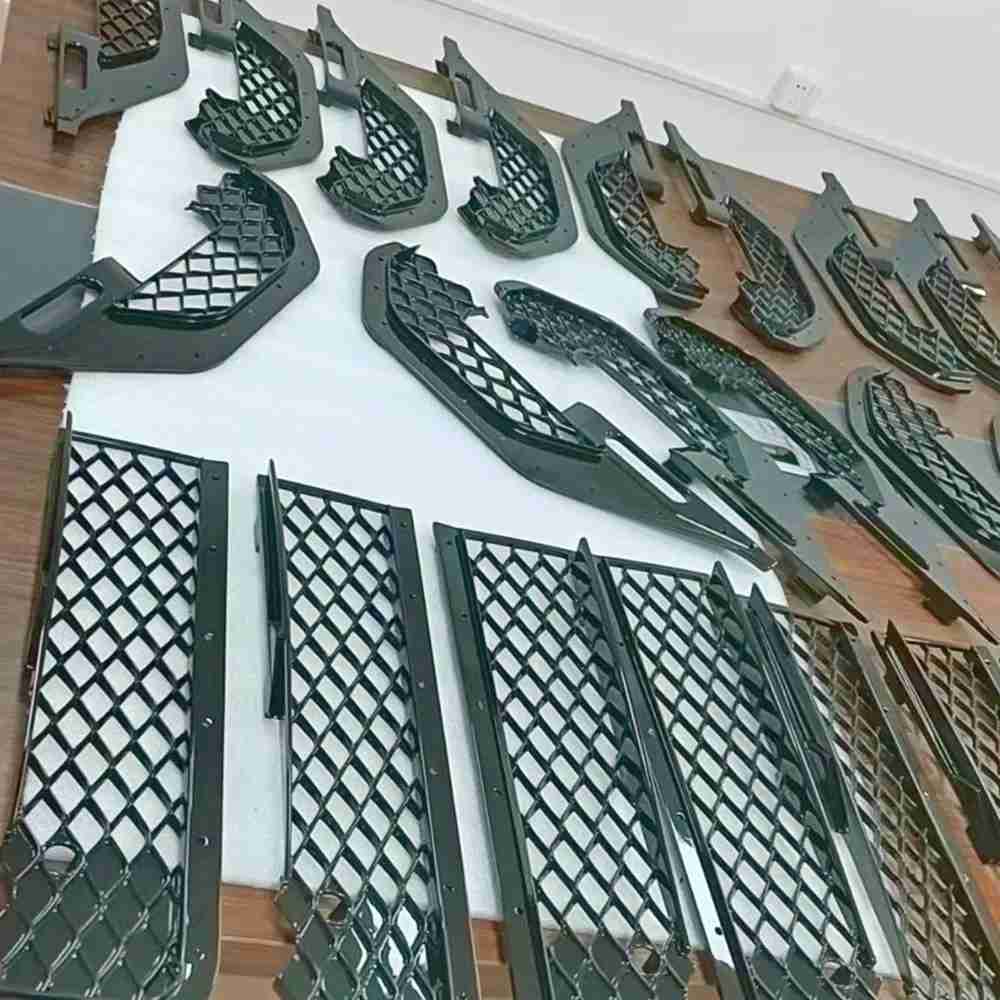
- Automotive trim parts (interior panels, light guides)
- Industrial equipment components
- Design prototypes that need presentation -quality surface finish
The alternatives to vacuum casting include:
- 3D Printing—great for early prototyping but limited in material realism and finish
- CNC Machining—good for tight tolerances but expensive for complex geometries or soft materials
Injection Molding—best for mass production but costly upfront tooling
Vacuum casting sits perfectly in between: fast, flexible, and low-cost for short runs.
While not as precise as CNC machining, vacuum casting provides reliable repeatability and typical tolerances of ±0.2mm, which are sufficient for the majority of prototyping and validation needs.
Погрузитесь глубже в наши ресурсы
Looking for more diverse plastic fabrication service options? Browse through our handpicked selections:
Все еще не нашли то, что искали? Не стесняйтесь связаться с нами. Мы готовы помочь вам круглосуточно.
 Russian
 English
 Hebrew
 Turkish
 French
 German
 Spanish
 Portuguese