


High-strength bolts have become a key fastening solution in modern engineering. It offers enhanced mechanical performance where conventional bolts fall short. From structural assemblies to precision machinery, they’re favored for their high load-bearing capacity, fatigue resistance, and reliability.
Yet, you may often face questions like
- Are high-strength bolts always necessary?
- How should bolt grades be matched with CNC or sheet metal components?
This guide explores the materials, standards, applications, and custom machining approaches for high-strength bolts.
1. What Are High-Strength Bolts?
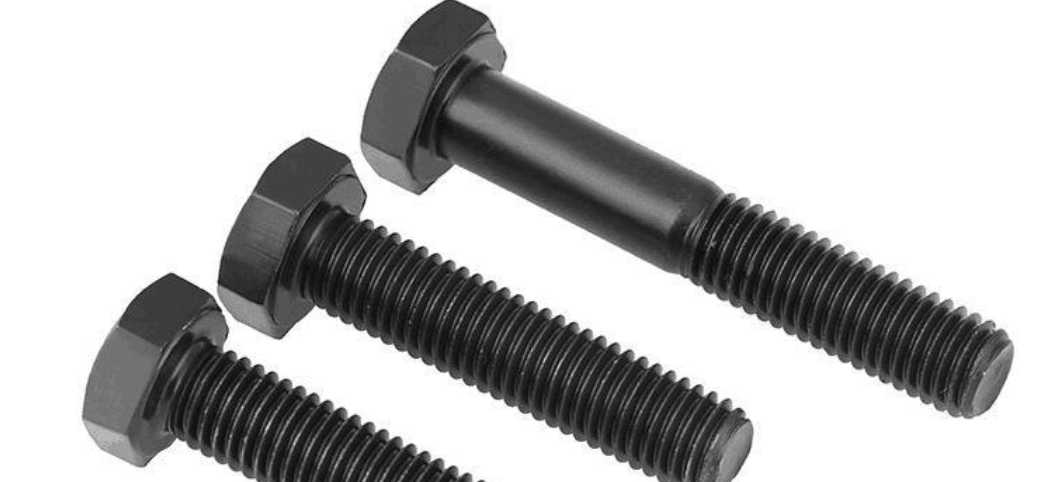
High-strength bolts are fasteners designed to handle high tensile and shear loads. They are typically made from alloy steel and undergo specific heat treatments to meet elevated strength requirements.
Key Differences from Standard Bolts:
- Material: Typically made from medium- or high-carbon alloy steels with enhanced toughness.
- Термическая обработка: Quenched and tempered to achieve higher strength and fatigue resistance.
- Механические свойства: Tensile and yield strengths are significantly higher—often exceeding 800 MPa and 640 MPa, respectively.
- Dimensional Precision: Manufactured under stricter tolerances to ensure consistent load-bearing performance in critical applications.
Common Grades and Standards:
Most high-strength bolts comply with ISO 898-1 or ASTM standards (like A325, A490). Below is an overview:
| Оценка | Tensile Strength (MPa) | Yield Strength (MPa) | Приложения |
| 8.8 | 800 | 640 | General structural use |
| 10.9 | 1040 | 940 | Automotive, machinery |
| 12.9 | 1220 | 1100 | Robotics, heavy load joints |
2. Common Materials for High Strength Bolts
Each material offers different mechanical and physical properties that determine where and how the bolt performs best. Here are the most commonly used materials:
Low Alloy Steel (42CrMo4, 35CrMo, 40Cr)
Widely used for Grade 10.9 and 12.9 bolts, these steels contain elements like chromium, molybdenum, or nickel to improve strength, toughness, and hardenability. After heat treatment, they offer excellent performance in high-load joints, such as those in automotive engines and heavy equipment.
Alloy Structural Steel (SCM435, 40CrNiMoA)
These steels are ideal for applications requiring both high tensile strength and impact resistance. SCM435, for example, is frequently used for Grade 12.9 bolts and can reach tensile strengths above 1200 MPa. You’ll find them in aerospace, robotics, and precision machinery.
Medium to High Carbon Steel (45# steel)
For bolts in the 8.8 to 10.9 grade range, carbon steel provides a good balance of strength, machinability, and cost. After quenching and tempering, it’s commonly used in general structural assemblies and standard mechanical parts.
Stainless Steel (316 or 304 for corrosion resistance)

While not usually as strong as alloy steels, stainless steels are chosen when resistance to rust or chemicals is critical—think marine structures or food-grade machinery. They’re sometimes used for custom fasteners in corrosive environments.
Heat-Resistant Steel (25Cr2Mo1V)
In high-temperature conditions, like engine compartments or turbine housings, bolts must retain strength at elevated temperatures. Specialized steels with enhanced oxidation resistance are needed to maintain long-term reliability.
Each of these materials undergoes quenching and tempering or other controlled heat treatments to reach the required mechanical properties. Always match material choice to your real-world requirements, not just the target grade. If you’re unsure, evaluating factors like tensile loads, vibration, temperature, and corrosion will help you select the right fastener for your application.
3. Applications of High-Strength Bolts
These bolts are widely used in industries where mechanical loads, vibration, or fatigue resistance are critical.
Aerospace Structures
In aircraft manufacturing, minimizing weight while maximizing strength is essential. High-strength bolts are used in airframe joints, landing gear, and engine assemblies where every gram counts but structural integrity can’t be compromised.
Automotive Engineering
These bolts secure critical parts such as suspension arms, brake systems, engine mounts, and steering components. Their strength ensures safety under dynamic loads, road vibrations, and sudden torque.
Robotics and Industrial Machinery
When you’re dealing with repetitive motion, high-cycle fatigue, or compact design constraints, bolts with higher tensile and yield strength are crucial. They’re commonly used in robotic arms, servo assemblies, and automated equipment.
CNC-Assembled Frames and Bases
For machined aluminum or steel base plates, brackets, and fixture components, high-strength bolts provide a rigid and vibration-resistant connection. They help maintain tolerances and ensure mechanical stability throughout the assembly’s lifetime.
Sheet Metal Enclosures and Structures
In structural sheet metal parts, especially those subject to vibration or external force, using 10.9 or 12.9 grade bolts can significantly improve rigidity. Whether it’s a control cabinet, equipment frame, or support housing, choosing the right fastener helps avoid deformation and loosening over time.
4. How Are High-Strength Bolts Manufactured?
The production of high-strength bolts involves several key steps:
1. Material Preparation
It starts with selecting alloy steels such as 4140 or SCM435, known for their strength, hardness, and fatigue resistance. Raw bars are inspected for chemical composition, internal defects, and surface quality before processing begins. Any variation here can compromise the bolt’s final performance.
2. Forging Process
- Cold Heading is typically used for standard or smaller bolts. The process forms the bolt head without heating, preserving grain structure and improving dimensional accuracy.
- Hot Forging is applied to larger or complex bolt shapes. The metal is heated to a specific range to allow better plastic deformation and formability while maintaining structural integrity.
3. Heat Treatment
After forging, bolts undergo quenching and tempering to enhance mechanical properties. Quenching increases hardness, while tempering reduces brittleness and improves toughness. This step ensures the final bolt meets target tensile and yield strength levels.
4. Precision Machining

If your application demands custom threads, tolerances, or unique head features, CNC machining is essential.
- CNC turning refines shaft dimensions or creates specialized undercuts.
- Thread rolling improves fatigue resistance by forming threads through cold deformation.
- Thread cutting may be used for small batches or complex profiles. Additional features like chamfers, grooves, or hex recesses can also be added at this stage.
5. Surface Treatment
To protect bolts from corrosion or wear, several coating options are used:
- Black oxide improves corrosion resistance and reduces light reflection.
- Zinc plating adds a sacrificial corrosion barrier.
- Phosphate coating provides paint adhesion and mild corrosion protection.
- Passivation is optional for stainless variants to enhance surface stability.
5. Design Considerations and Misconceptions
While high-strength bolts offer excellent performance, more isn’t always better. Here are key considerations:
Avoid Over-Design
Choosing a Grade 12.9 bolt for a low-load bracket may seem safe, but it’s often wasteful. These bolts are harder and more brittle, making them more sensitive to vibration and shock loads in certain setups. A lower-grade fastener, like 8.8 or 10.9, could provide better fatigue resistance while lowering material and machining costs.
Stress Distribution Matters
High-strength bolts concentrate stress in smaller areas, especially at thread roots and contact surfaces. Without proper washer selection or seating design, this can cause localized failure. You may need to spread the load using flanged heads, hardened washers, or optimized joint geometry.
Match Bolt Grade to Surrounding Materials
Using bolts that are too strong for the base material can cause thread stripping or deformation under load. Pay attention to hole tolerances, mating surface hardness, and thread engagement depth, especially when pairing bolts with CNC-machined aluminum or thin sheet metal.
CNC Compatibility and Assembly
When working with machined parts, ensure your design allows proper torque application and clearance for tools. For tapped holes, consider thread length, pilot holes, and access angles. Improper thread depth or poorly aligned bores can reduce preload and lead to joint failure.
6. Bolt Grade Selection Guide
The table below summarizes typical use cases and the recommended high-strength bolt grades to help guide your choice:
| Use Case | Recommended Grade | Примечания |
| Light sheet metal enclosure | 8.8 | Cost-effective, sufficient strength |
| CNC baseplate structure | 10.9 | Better fatigue and vibration control |
| Robotic joint with high torque | 12.9 | Minimal deformation under load |
Заключение
High-strength bolts play a small but crucial role in making sure your projects hold together safely and last long. But it’s not always about going for the strongest bolt; it’s about picking the right one for your specific needs and conditions. Every detail, from material to manufacturing, impacts how well the bolt performs.
If you’re unsure which bolt grade fits your design or need help with custom machining, just протянуть руку. The Beska team can help you solve these challenges and guide you to the best solution.
Часто задаваемые вопросы
Q1: What is the difference between 8.8 and 12.9 bolts?
A: The primary difference lies in tensile strength. Grade 8.8 bolts have ~800 MPa tensile strength, while 12.9 bolts exceed 1200 MPa. The latter are suited for compact, high-load applications.
Q2: Can high-strength bolts be reused?
A: It depends. For structural applications involving pretension, reuse is not recommended. For non-critical joints, visual inspection and torque revalidation are necessary.
Q3: How are threads machined on high strength bolts?
A: Threads can be rolled (better fatigue resistance) or cut via CNC lathes for small batches or specialty designs.
Q4: Are all high strength bolts heat treated?
A: Yes, proper heat treatment is essential to achieve mechanical strength. This includes quenching and tempering.
Q5: Can you apply coatings like anodizing to high-strength bolts?
A: Anodizing is not typical for steel bolts. Instead, black oxide, zinc plating, or phosphate coatings are commonly used for corrosion resistance.
Погрузитесь глубже в наши ресурсы
Для вашего содержательного чтения мы составили список рекомендуемых статей:
 Russian
 English
 Hebrew
 Turkish
 French
 German
 Spanish
 Portuguese