


Sandblasting quietly shapes the surface quality of countless manufactured parts every day. From stripping away rusted layers on steel to refining the texture of precision components, this process balances power and finesse to prepare materials for their next stage.
Whether removing stubborn coatings or creating the ideal roughness for paint and plating, sandblasting adapts to diverse needs across industries.
In this article, we’ll take a closer look at how sandblasting works, the different abrasive materials used, common industrial applications, and what makes the process most effective.
1. How Sandblasting Works

Sandblasting, also called abrasive blasting, involves propelling abrasive particles at high velocity onto a workpiece surface using compressed air or high-pressure water. The impact and friction created by this process clean, texture, or modify the surface finish. It is similar to natural erosion caused by wind-driven sand but accelerated and precisely controlled through machinery.
Compared to traditional mechanical grinding or chemical treatments, sandblasting offers several advantages:
- Provides uniform surface finishing without stress concentrations caused by mechanical abrasion
- Avoids the use of chemicals, reducing environmental impact
- Can reach complex geometries including grooves, holes, and irregular shapes
Depending on its purpose, sandblasting is generally classified into three types:
- Cleaning: Removing rust, scale, old paint, and contaminants
- Decorative: Creating surface textures or patterns for aesthetic effects
- Functional: Increasing surface roughness to improve adhesion for coatings or plating
The entire process includes multiple steps that require careful control to ensure consistent results, especially in demanding sectors like aerospace, nuclear power, or medical devices.
2. Types of Sandblasting Equipment and Process Parameters
Different blasting machines suit different applications, each with its own strengths and trade-offs:
| Equipment Type | Преимущества | Typical Use Cases | Ограничения |
| Pressure Blast | High energy impact, good for heavy-duty cleaning | Ship decks, structural steel | High abrasive consumption |
| Suction Blast | Lower abrasive use, suitable for medium cleaning | Small to medium parts, automotive | Less effective on heavy corrosion |
| Centrifugal Blast | Abrasive recycling is efficient for mass finishing | Крупносерийное производство | Higher equipment cost |
Adjusting key parameters like air pressure, nozzle distance, and spray angle provides precise control over surface texture and process efficiency. For instance, increasing air pressure speeds up cleaning but can risk damaging delicate surfaces if not carefully managed.
3. Advantages and Limitations of Sandblasting

Before deciding if sandblasting is the right choice for your project, it’s important to understand both its strengths and potential drawbacks.
Преимущества
- Efficiently removes stubborn rust, scale, and residues
- Enhances surface properties such as coating adhesion and wear resistance
- Applicable to a wide range of materials, including metals, plastics, ceramics, and glass
Ограничения
- Generates dust and airborne particles requiring proper extraction and worker protection
- Equipment and abrasive media costs can be significant
- Not suitable for extremely precise components where dimensional tolerances are critical, as over-blasting may cause deformation or material loss
Overall, sandblasting is a highly effective surface treatment when used appropriately.
4. Typical Sandblasting Workflow
While each project may have its specific requirements, the general workflow typically includes the following stages:
Preparation
- Inspect the workpiece to identify material type, surface condition, and treatment goals
- Clean off oils, dirt, or dust that might affect blasting quality
- Mask sensitive areas such as threaded sections or precision surfaces
Blasting Operation
- Choose the proper blasting equipment (pressure, suction, or centrifugal type) based on the workpiece size and application
- Set parameters including air pressure (typically 0.4–0.8 MPa), nozzle angle (30°–90°), and spraying distance (100–300 mm)
- Apply abrasive evenly to avoid uneven surface treatment or excessive wear in localized areas
Post-treatment
- Remove residual abrasive particles and dust with compressed air or vacuuming
- Inspect surface roughness and cleanliness to ensure they meet requirements
- Apply protective coatings like paint, plating, or anodizing to improve corrosion resistance
By carefully following these steps and adjusting parameters to match the specific workpiece and goals, you can achieve optimal sandblasting results while protecting part integrity and maximizing efficiency.
5. Choosing the Right Abrasive Media
The abrasive media used directly affects the sandblasting outcome. Factors such as hardness, grain size, and shape of the media determine the surface finish and suitability for different materials and purposes. Selecting the correct abrasive involves balancing the material being treated, the desired finish, and the budget.
Common Abrasive Media:
| Abrasive | Characteristics | Типичные применения | Suitable Materials |
| Стальная крошка | Hard, angular | Rust removal, surface strengthening | Steel structures, automotive parts |
| Stainless Steel Shot | Corrosion resistant, spherical | Precision cleaning of stainless parts | Stainless steel, titanium |
| Оксид алюминия | Lightweight, sharp edges | Aerospace and electronics polishing | Aluminum, composites |
| Стеклянные бусины | Smooth, spherical | Fine polishing, medical devices | Stainless steel, plastics |
| Карбид кремния | Extremely hard, abrasive | Hard metal and ceramic cleaning | Carbides, ceramics |
| Скорлупа грецкого ореха | Soft, eco-friendly | Cleaning delicate electronics and plastics | Electronics, soft metals |
| Corncob | Soft, gentle | Paint removal, plastics | Plastics, soft metals |
Selection Tips:
- Use hard abrasives for tough metals and softer abrasives for sensitive or thin materials
- Coarser grains for rough cleaning, finer or spherical for polishing and delicate work
- Prefer environmentally friendly, reusable abrasives to reduce waste and exposure.
6. Common Applications of Sandblasting
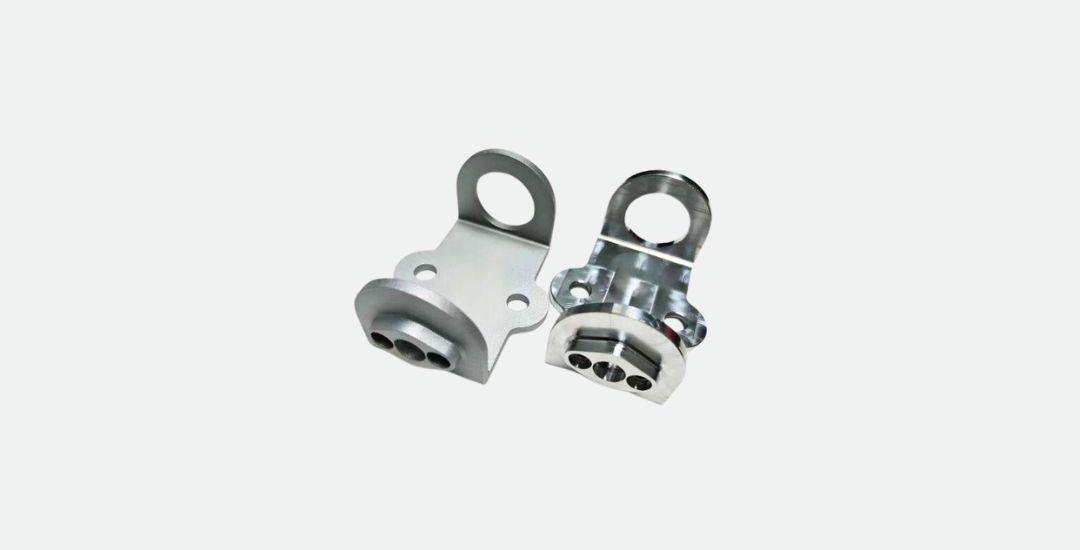
Sandblasting finds use across many industries thanks to its versatility. By selecting proper abrasives and tuning parameters, it can range from heavy rust removal to delicate surface finishing.
- Ship Deck Anti-slip Treatment: Uses steel grit at 0.8–1.0 MPa to create a rough texture meeting maritime safety standards.
- Aerospace Engine Blade Preparation: Applies white alumina abrasives under vacuum at moderate pressure to clean and prepare blades without damaging edges.
- Automotive Aluminum Wheel Polishing: Uses glass beads for a uniform matte finish before anodizing.
- Injection Mold Cleaning: Removes cured resin with soft walnut shell abrasives to preserve mold integrity.
- Railway Track Weld Grinding: Removes weld slag using brown aluminum oxide for track smoothness.
- Electronics Copper Contact Cleaning: Employs fine silicon carbide under nitrogen to improve conductivity by oxide removal.
- Stone Antiquing: Uses mixed abrasives to simulate weathered natural surfaces on granite.
- Medical Titanium Implant Roughening: Increases surface roughness for better bone integration using zirconia abrasives.
- Plastic Pre-paint Treatment: Improves paint adhesion with gentle corn cob powder blasting.
These examples show that sandblasting succeeds only when media and pressure are precisely matched to each application’s safety and finish requirements.
7. Environmental and Safety Considerations
While sandblasting offers many benefits, it also produces dust and airborne contaminants that pose health and environmental risks. Modern operations must include:
- Effective dust extraction and filtration systems
- Personal protective equipment (PPE) such as respirators and protective clothing for operators
- Use of recyclable, low-dust abrasives like steel shot or walnut shells
- Compliance with local safety and environmental regulations (e.g., OSHA, EU standards)
Prioritizing environmentally responsible materials and technologies helps reduce the ecological footprint and enhances workplace safety.
8. Post-Sandblasting Treatment Recommendations
Proper surface protection after blasting is essential to maintain the quality and durability of your parts. Here are some common finishing options and how sandblasting supports them:
Painting or Powder Coating
The roughened surface created by blasting improves paint adhesion, helping coatings last longer even under harsh conditions. For example, automotive body panels often undergo sandblasting before painting to ensure a smooth, durable finish.
Анодирование
On aluminum parts, sandblasting increases surface area, allowing a thicker and more uniform anodic layer. This is widely used in aerospace and electronics, where corrosion resistance is critical.
Гальваника
Clean and textured surfaces enable metal deposits to bond better. For instance, electronic connectors benefit from blasting before plating to improve conductivity and wear resistance.
To avoid issues like re-oxidation or contamination, it’s best to apply protective coatings as soon as possible after blasting, ideally within a few hours.
Заключение
Sandblasting continues to be a vital surface treatment process in industries ranging from aerospace to consumer products. With correct abrasive selection, equipment setup, and safety measures, it delivers efficient, high-quality finishes. Looking ahead, advancements in automation and green blasting technologies promise further improvements in performance and sustainability.
If you’re looking for a reliable partner for a Обработка на станках с ЧПУ project using sandblasting, контакт the Beska team for a custom manufacturing solution.
Погрузитесь глубже в наши ресурсы
Ищете более разнообразные варианты обслуживания? Просмотрите наши тщательно отобранные варианты:
- Дробеструйная очистка и покраска
- Black Zinc Plating
- Пескоструйная обработка
- Electroplating vs Chrome Plating
- CNC Post-processing Service
 Russian
 English
 Hebrew
 Turkish
 French
 German
 Spanish
 Portuguese