


A stainless steel valve installed in a chemical plant looks flawless when it leaves the factory. But after a short time in service, tiny rust spots appear around the machined edges. Similar issues happen in food processing equipment, surgical tools, or aerospace parts—places where failure is not an option. The problem is not poor material quality; it’s that stainless steel surfaces often lose part of their natural protection during machining, welding, or handling.
This is why passivation matters. Passivation is a chemical treatment that removes surface contaminants and restores the protective chromium oxide layer. Done properly, it strengthens stainless steel’s corrosion resistance and ensures long-term reliability across industries.
In this article, we’ll look at how to passivate stainless steel, the common methods, international standards, and practical considerations to achieve consistent results.
1. Why Stainless Steel Needs Passivation
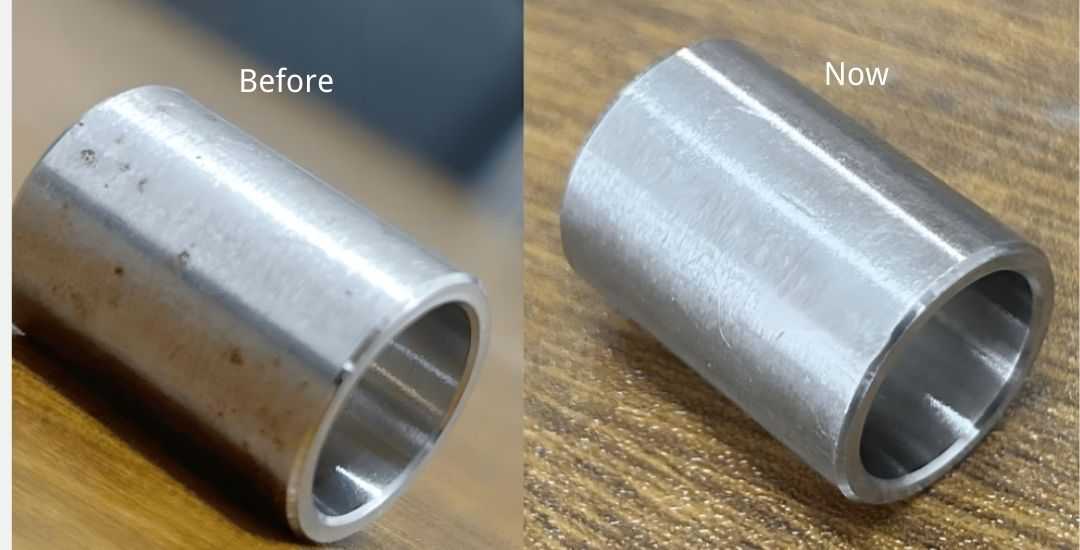
Stainless steel is “stainless” because it contains at least 12% chromium, which naturally forms a thin, invisible chromium oxide film when exposed to air. This passive film, only about 0.01–0.1 μm thick, protects the underlying metal by preventing oxygen, water, and other corrosive agents from reaching it.
But in real-world production, this film is easily damaged:
- Welding can deplete chromium in localized areas, creating weak spots.
- Machining may leave scratches that break the film.
- Pickling or polishing may leave contaminants that trigger galvanic corrosion.
- Even fingerprints can deposit salts that initiate corrosion.
Studies show that untreated stainless steel products can exhibit rust rates above 30% in humid or coastal environments, while properly passivated parts reduce this rate to below 1%.
For export products, passivation is especially critical. Stainless steel parts must withstand diverse environments—from Northern Europe’s cold to the Middle East’s hot, salty air to Southeast Asia’s humidity. International standards such as EU CE certification, U.S. ASTM specifications, and aerospace or medical approvals require proven corrosion resistance, and passivation is the key to compliance.
2. Why Passivation Matters in Global Trade
For companies sourcing stainless steel parts worldwide, passivation is essential:
- Compliance with international standards: Medical devices (ISO 13485), aerospace (AS9100), and food processing (FDA 21 CFR) require passivation. Without proper certification, shipments may be rejected at customs.
- Extended product life: Passivated parts withstand harsh conditions, whether in marine applications or chemical plants, reducing replacement costs and building customer trust.
- Cost-effectiveness: Though it adds a step, passivation lowers long-term maintenance and warranty expenses.
- Market competitiveness: Passivated and certified products are more attractive to global buyers who prioritize quality and reliability.
3. Principles of Stainless Steel Passivation

Passivation is a chemical surface treatment that enhances corrosion resistance by removing free iron and contaminants while accelerating the formation of a stable chromium oxide layer. Unlike coatings or plating, passivation is not an external layer—it improves the alloy’s natural protective qualities.
Key mechanisms:
1. Removal of free iron and impurities: Acidic passivation solutions (commonly nitric or citric acid) dissolve embedded iron or other metallic residues, restoring surface purity.
2. Formation of the chromium oxide film: The acid environment promotes chromium-oxygen reactions, forming a dense, stable passive layer (Cr₂O₃) that self-heals if scratched.
4. Common Methods of Stainless Steel Passivation 

The three most common approaches are nitric acid passivation, citric acid passivation, and electrolytic passivation. Each has its own advantages and limitations, making it important to select the right method for the intended use.
Пассивация азотной кислотой
- Best for: Austenitic stainless steels (e.g., 304, 316)
- Process: Immersion in 20–50% nitric acid solution at 20–60°C for 30–60 minutes; sodium dichromate may be added to enhance the effect.
- Pros: Produces a uniform and durable passive film with excellent corrosion resistance.
- Cons: Strongly corrosive, generates hazardous fumes, and requires strict handling and waste management.
Nitric acid has been the traditional choice for decades, especially in heavy industry and aerospace. However, due to environmental and safety concerns, many manufacturers are gradually shifting toward alternatives.
Пассивация лимонной кислотой
- Best for: 300 series stainless steels, particularly in food processing and medical applications.
- Process: Treatment with 4–10% citric acid solution at 50–70°C for 30–120 minutes.
- Pros: Environmentally friendly, non-toxic, and compliant with FDA and ISO standards.
- Cons: Slower reaction compared to nitric acid, and requires precise control of temperature and pH.
Citric acid is often preferred where product purity is critical, such as surgical instruments or equipment that comes into contact with food. Its eco-friendly profile also makes it attractive for companies seeking greener processes.
Electrolytic Passivation
- Best for: High-alloy steels such as duplex (2205) and super austenitic grades (904L).
- Process: An electrical current is applied in an acidic electrolyte, accelerating the growth of the passive film.
- Pros: Effective for complex geometries and provides highly stable results.
- Cons: Requires specialized equipment and higher investment costs.
Electrolytic passivation is less common than acid treatments but is often chosen when parts must perform in the harshest environments, such as offshore or chemical processing.
5. Standards and Certifications
Several international standards regulate stainless steel passivation:
- ASTM A967: Defines nitric and citric acid passivation procedures.
- ISO 16048: Applies to medical devices.
- AMS 2700: Aerospace-grade passivation.
Example Properties by Alloy and Treatment
| Свойство | 304 Stainless | 316 Stainless | 430 Stainless | 420 Stainless | 440A Stainless |
| Passivation Methods | Citric, Nitric, Electrolytic | Citric, Nitric, Electrolytic | Citric, Nitric | Citric, Nitric | Citric, Nitric |
| Salt Spray Test (ASTM B117) | 72–1500 hrs | >1000 hrs, no corrosion | 48–100 hrs | 24–72 hrs (needs heat treat) | 12–72 hrs |
| Pitting Potential (V vs SCE) | ≥0.5 V | ≥0.8 V | –0.45 V | –0.35 V | +0.35 V |
| Film Thickness | 0.3–0.5 μm | 0.4–0.6 μm | 0.2–0.3 μm | 0.1–0.3 μm | 0.1–0.2 μm |
| Твёрдость (HV) | 200–236 | 220–250 | 180–200 | 250–300 | >54 HS |
| Surface Roughness (Ra) | ≤0.8 μm | ≤0.6 μm | 0.5–1.0 μm | 0.8–1.2 μm | 0.6–1.0 μm |
| Corrosion Resistance Improvement | 5–20× | 8–30× | 2–5× | 3–8× | 5–10× |
6. Verifying Passivation Quality
The protective film on stainless steel is extremely thin, and small variations in process parameters can affect its performance. To ensure reliability, manufacturers often verify passivation results through standardized tests:
- Ferroxyl test – Detects free iron by producing a blue coloration, useful for quick surface checks.
- Salt spray test (ASTM B117)—Exposes parts to a corrosive mist for 24–1000 hours to evaluate corrosion resistance under accelerated conditions.
- Chromium content analysis (XRF)—Confirms that the passive layer has at least 10.5% surface chromium, which is essential for corrosion resistance.
- Documentation – Test results are typically recorded to demonstrate compliance with standards such as ASTM A967, ISO 3892, or industry-specific requirements.
These verification steps are not only technical checks but also critical for regulatory compliance, customer confidence, and long-term performance assurance.
7. Common Passivation Issues and Solutions
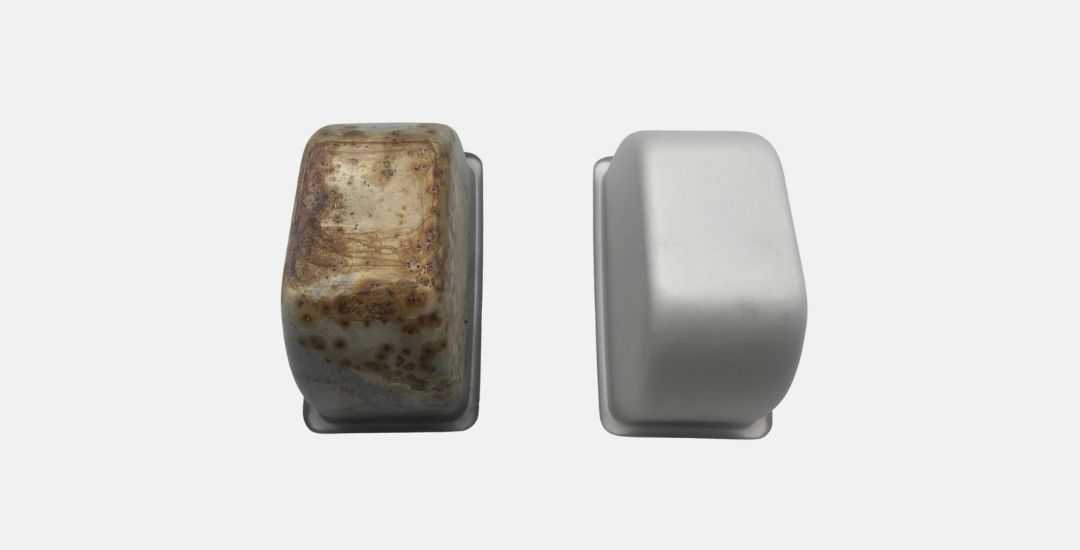
Below are some of the most common problems and practical solutions:
- Rust after passivation–Often caused by inadequate pre-cleaning, incorrect solution concentration, or insufficient rinsing.
Solution: Improve pretreatment, closely monitor acid concentration, and extend rinsing with deionized water. - Uneven passive film–Leads to localized corrosion, usually resulting from poor agitation, improper part orientation, or oil contamination.
Solution: Optimize racking design, ensure proper solution circulation, and enhance degreasing before treatment. - Color variations—Discoloration can occur when temperatures are too high, exposure times are excessive, or the solution has aged.
Solution: Control bath temperature, avoid unnecessary overexposure, refresh passivation solutions, or consider bright passivation techniques.
By addressing these issues proactively, you can maintain consistent passivation quality and extend the service life of stainless steel components.
8. Environmental Upgrades and Future Trends
With stricter environmental regulations, stainless steel passivation is moving toward greener, more efficient methods.
- Chromium-free passivation: Silane and titanium-zirconium treatments avoid hazardous metals and comply with RoHS. For example, silane-passivated 304 stainless steel achieves >200 hours in salt spray tests, comparable to nitric passivation.
- Titanium-zirconium passivation: Forms composite oxide films that are highly durable and eco-friendly. Already used in cookware and medical tools.
- Smart passivation systems: IoT-enabled equipment can monitor solution chemistry in real time, ensuring consistency and traceability while reducing labor costs.
- Multifunctional passivation: Future treatments may combine corrosion resistance with antibacterial, wear-resistant, or easy-clean properties, especially valuable for food and medical industries.
Заключение
Passivation is essential to unlock the full potential of stainless steel. By removing contaminants and enhancing the chromium oxide layer, it ensures superior corrosion resistance, extends product life, and meets international quality standards. As industries demand higher performance and greener technologies, advanced passivation methods will continue to evolve, offering both reliability and sustainability for global applications.
Looking for a custom manufacturing solution with passviation? Consulting a qualified processing expert like the Beska team, who is equally important to ensure consistent results, safety, and adherence to industry standards.
Погрузитесь глубже в наши ресурсы
Для вашего содержательного чтения мы составили список рекомендуемых статей:
- What Is Passivation
- Passivation vs Electropolishing
- Titanium VS Stainless Steel
- Отделка поверхности
- Услуги по обработке на станках с ЧПУ
- CNC Machining Stainless Steel
- Услуги по изготовлению изделий из листового металла
 Russian
 English
 Hebrew
 Turkish
 French
 German
 Spanish
 Portuguese