


Spring steel and stainless steel are both used for springs and other components that must repeatedly deflect under load, but they offer different combinations of strength, fatigue performance, corrosion resistance, temperature capability, and cost.
A material that performs well in a dry mechanical assembly may not be suitable for a spring exposed to moisture, salt, chemicals, or elevated temperatures. Stainless steel can provide better corrosion resistance, while conventional carbon and alloy spring steels are often selected where high strength and economical production are priorities.
Choosing between them therefore depends on the actual service conditions and manufacturing requirements. This article compares spring steel vs stainless steel in terms of strength, corrosion resistance, temperature, manufacturing, cost, and typical applications.
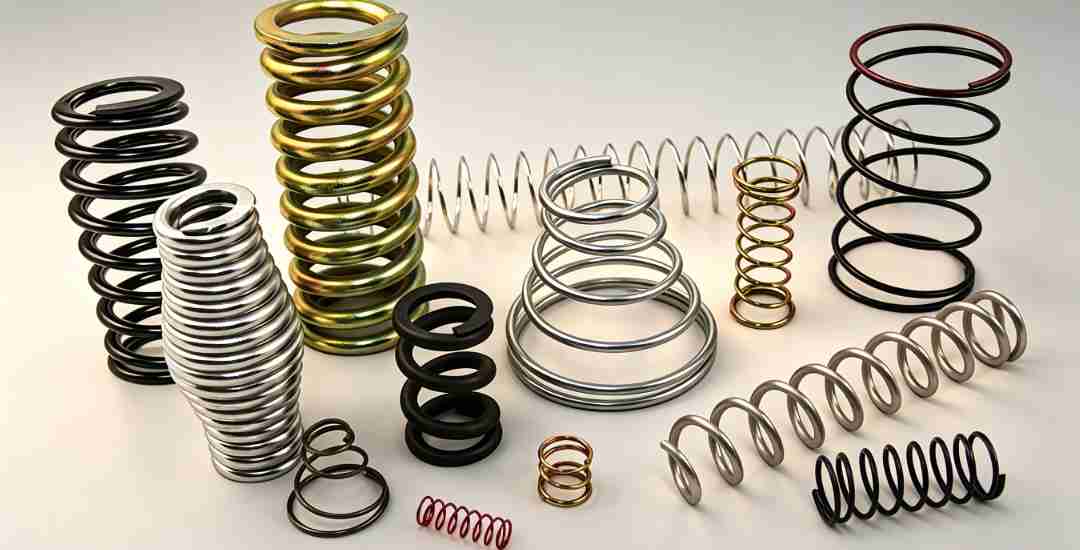
1. What Is Spring Steel?
Spring steel refers to steels used for components that must repeatedly deflect under load and return to their original shape without permanent deformation. In this comparison, “spring steel” mainly refers to conventional high-carbon and alloy spring steels, while stainless spring grades are discussed separately.
Their spring performance comes from a combination of material composition, processing, and final material condition. High yield strength and elastic limit allow the material to sustain relatively high stresses while remaining within the elastic range, while fatigue resistance is important for components exposed to repeated loading.
Different spring steels achieve their final properties in different ways. Many carbon and alloy grades use controlled термическая обработка, while some spring wires obtain high strength through cold drawing or other processing routes. The manufacturing sequence therefore depends on the specific grade and product form.
2. Что такое нержавеющая сталь?
Stainless spring steels combine the elastic properties required for spring components with improved corrosion resistance. Their chromium content forms a passive surface film that helps protect the steel from corrosion, although performance still depends on the specific grade and service environment.
Austenitic stainless grades such as 301 and 302 are commonly used for springs. Unlike conventional quench-hardened spring steels, these grades develop much of their strength through cold working, which increases strength and hardness while reducing ductility.
Other stainless spring grades use different strengthening mechanisms. 17-7PH, for example, is a precipitation-hardening stainless steel that can achieve high strength together with useful corrosion resistance. Its final properties depend on the material condition and heat-treatment route.
The main advantage of stainless spring steel is therefore not simply a different manufacturing method, but the ability to combine spring performance with corrosion resistance in applications where conventional carbon or alloy spring steels may require additional surface protection.
3. Spring Steel vs Stainless Steel: Key Properties Compared
Both conventional spring steels and stainless spring steels can achieve high strength, but their typical properties and strengthening methods differ. The table below compares representative strength ranges, corrosion resistance, temperature behavior, manufacturing route, and cost.
| Свойство | Conventional Spring Steel | Austenitic Stainless Spring Steel |
| Typical Hardness | 400–550 HV | 300–500 HV |
| Typical Tensile Strength | 1400–2000 MPa | 1200–1700 MPa |
| Typical Yield/Tensile Ratio | 80–95% | 50–70% |
| Коррозионная стойкость | Generally low without protection | Generally high |
| Typical Elevated-Temperature Capability | More grade-dependent; relaxation increases as temperature rises | Often better than common carbon spring steels, depending on grade and cold-work condition |
| Common Strengthening Route | Heat treatment, cold drawing, or both depending on grade/product form | Cold working for 301/302; precipitation hardening for grades such as 17-7PH |
| Relative Material Cost | Generally lower | Generally higher |
Conventional spring steels are usually the more economical choice when high strength and fatigue performance are the main priorities, especially in dry or protected environments.
Stainless spring steels become more attractive when corrosion resistance or elevated-temperature performance matters. The final choice should still be based on the specific grade, material condition, service environment, and manufacturing requirements.
4. Advantages and Disadvantages: Spring Steel vs Stainless Steel
The differences between spring steel and stainless spring steel extend beyond strength and corrosion resistance. Surface protection, forming behavior, magnetic response, and processing route can also affect the final material choice.
Advantages of Spring Steel
Conventional carbon and alloy spring steels can provide high strength and good fatigue performance at relatively low material cost. A wide range of grades is available for mechanical springs, clips, retainers, and other repeatedly loaded components.
They are particularly practical in dry or protected environments where corrosion resistance is not the primary design requirement.
Disadvantages of Spring Steel
The main limitation is corrosion resistance. Carbon and alloy spring steels may require plating, coating, or other surface protection when exposed to moisture or corrosive environments.
Their performance at elevated temperature also depends on the specific grade, heat treatment, stress level, and exposure time. Most conventional spring steels are also magnetic.
Advantages of Stainless Steel
Stainless spring steels offer much better corrosion resistance and may eliminate the need for additional protective coatings in many applications.
Grades such as 301 and 302 can develop high spring strength through cold working, while precipitation-hardening grades such as 17-7PH provide another option where higher strength and corrosion resistance are both required.
Disadvantages of Stainless Steel
Stainless spring steels generally have a higher material cost than common carbon spring steels. Cold-worked austenitic grades can also show greater springback during forming, which may require tighter process control.
Austenitic stainless steels are often described as non-magnetic, but cold working can introduce some magnetic response.
5. Manufacturing Considerations: Coiling, Heat Treatment, Machining, and Welding
Spring steel and stainless spring steel can require different manufacturing routes, but the exact process depends on the grade, material condition, geometry, and final performance requirements.
Coiling
Spring steels may be supplied in different conditions depending on the spring-making process. Softer material conditions are easier to form, while high-strength or pre-hardened wire requires greater control of forming force and springback.
Cold-worked stainless spring wire can also require higher forming forces and may show significant springback, particularly in high-strength conditions.
Термическая обработка
Many carbon and alloy spring steels use controlled heat treatment to develop their final strength and hardness, although the exact sequence depends on the grade and supplied condition.
Austenitic stainless grades such as 301 and 302 obtain much of their spring strength through cold working and may receive stress relief after forming. Precipitation-hardening grades such as 17-7PH follow a different heat-treatment route.
Machining and Cutting
Machinability depends strongly on hardness and material condition. Hardened spring steels can be difficult to machine, so major machining operations are often completed before final hardening when practical.
Austenitic stainless steels can work-harden during cutting, making sharp tooling, rigid setups, and controlled cutting conditions important for consistent results.
Сварка
High-carbon spring steels can be challenging to weld because the heat-affected zone may experience hardening, cracking, or changes in mechanical properties.
Austenitic stainless steels are generally more weldable, but heat input and welding procedure still need to be controlled when fatigue performance or corrosion resistance is important.
6. Applications: Where Each Material Is Commonly Used
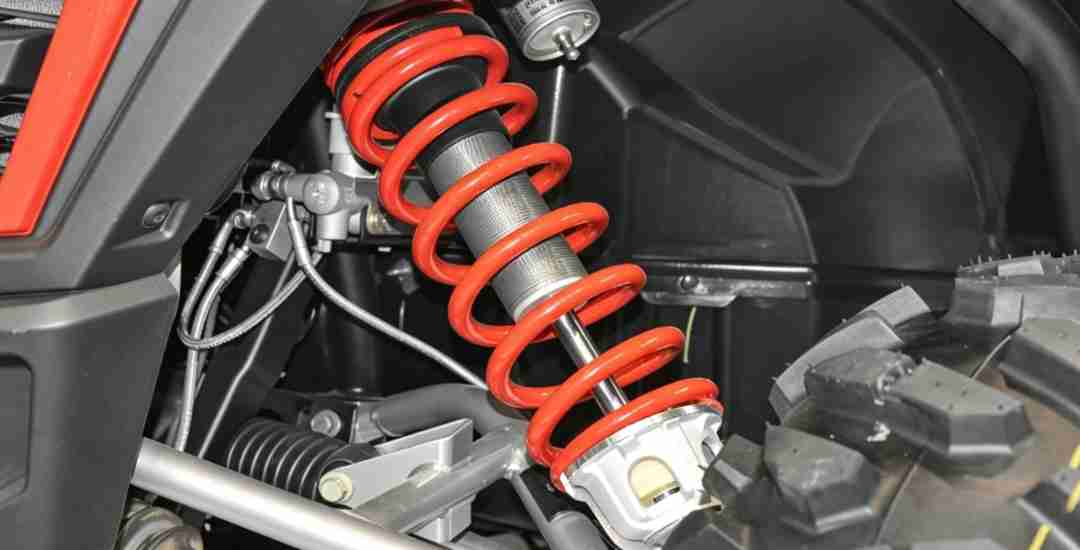
Application environment is often one of the clearest factors in choosing between conventional spring steel and stainless spring steel. Corrosion exposure, fatigue requirements, temperature, and cost should be considered together.
Applications of Spring Steel
Conventional spring steels are widely used in automotive suspension components, valve springs, clutch springs, industrial coil springs, clips, and other mechanical spring parts.
They are often a practical choice where high strength and fatigue performance are required and the component operates in a dry, lubricated, or otherwise protected environment.
Applications of Stainless Steel
Stainless spring steels are commonly used in medical devices, marine hardware, food-processing equipment, chemical equipment, and outdoor components where corrosion resistance is important.
Grades such as 301, 302, 316, and 17-7PH may be considered depending on the required combination of strength, corrosion resistance, forming behavior, and service environment.
Temperature Considerations
Elevated temperature can reduce spring force and increase stress relaxation in both conventional and stainless spring steels.
Some stainless spring grades may offer better elevated-temperature performance than common carbon spring steels, but the allowable service temperature depends on the specific grade, heat treatment or cold-work condition, applied stress, and exposure time.
7. How to Choose Between Spring Steel and Stainless Steel
Choosing between spring steel and stainless spring steel often starts with the service environment. Corrosion exposure and operating temperature help narrow the options, while cost determines which solution is more practical for production.
Corrosion
If the component is exposed to moisture, salt, chemicals, or repeated outdoor conditions, stainless spring steel is often the more practical choice because corrosion resistance is built into the material.
Conventional spring steel can still be used in some exposed environments when suitable plating, coating, or other surface protection is available. The final choice should consider both corrosion risk and expected service life.
Температура
Both spring steel and stainless spring steel can lose spring force through stress relaxation as temperature increases.
There is no single temperature limit that applies to every grade. Allowable service temperature depends on the specific material, heat treatment or cold-work condition, applied stress, and exposure time. Grade-specific data should therefore be checked for elevated-temperature applications.
Расходы
Conventional carbon and alloy spring steels are generally more economical when high strength and cost control are the main priorities.
Stainless spring steels usually have a higher material cost, but they may reduce or eliminate the need for additional corrosion protection. Total cost should therefore consider material, forming, heat treatment, surface protection, and service requirements, rather than material price alone.
For dry or protected applications, conventional spring steel is often the economical starting point. When corrosion resistance becomes a primary requirement, stainless spring steel is usually more attractive.
Заключение
The right material choice starts with the service conditions. Conventional spring steels are often a practical option when high strength, fatigue performance, and cost control are the main priorities, while stainless spring steels are better suited to applications where corrosion resistance or environmental exposure matters more.
Neither material is automatically the better choice. The final decision should consider the specific grade, operating temperature, corrosion exposure, material condition, manufacturing route, and total production cost together.
If you’re unsure which material fits your part, Beska can review your drawing and manufacturing requirements before production.
 Russian
 English
 Hebrew
 Turkish
 French
 German
 Spanish
 Portuguese