


Galling is one of the most common causes of unexpected failures in metal assemblies. A fastener may begin tightening normally, only to seize suddenly before reaching its target torque, damaging threads and disrupting production. Unlike gradual wear, galling often develops within a single assembly cycle, leaving little opportunity to detect the problem before damage occurs.
This guide explains what metal galling is, how it develops, which materials are most susceptible, and the practical methods engineers use to reduce the risk. The emphasis is on real manufacturing considerations, including material selection, surface treatments, lubrication, and assembly practices.
1. What Is Metal Galling?
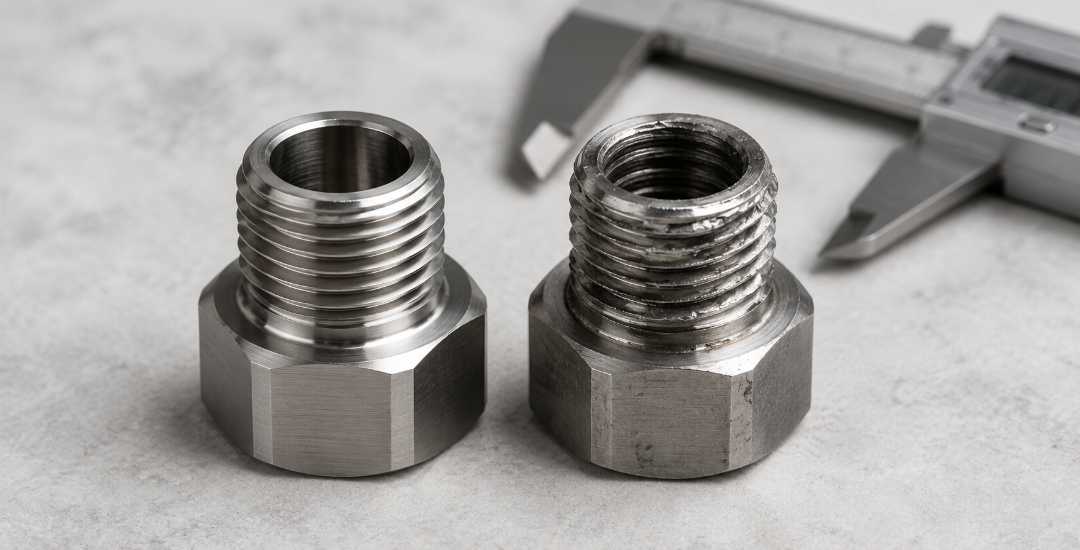
Metal galling is a severe form of adhesive wear that occurs when two metal surfaces slide against each other under load. Instead of simply wearing away, material transfers from one surface to the other, creating localized damage that can rapidly worsen as sliding continues.
Unlike abrasive wear, galling is caused by adhesion rather than cutting or scratching. It typically occurs between similar metals under high contact pressure, especially when lubrication is inadequate or surface conditions promote direct metal-to-metal contact. Once galling begins, friction increases quickly and the parts may seize.
In manufacturing, galling can damage threads, sliding surfaces, and forming tools, leading to assembly problems, rework, and unexpected downtime. Understanding how galling develops is the first step toward selecting the right materials, surface treatments, and assembly practices to reduce the risk.
2. How Galling Happens: The Mechanism
Although galling often appears to happen suddenly, it develops through a predictable sequence of microscopic events.
1. Oxide layer breakdown. Most metals are protected by a thin oxide film that reduces adhesion. Under high contact pressure and sliding motion, this protective layer gradually fractures or wears away.
2. Bare metal contact. Once the oxide layer is damaged, fresh metal surfaces come into direct contact, creating the conditions for adhesion between the mating surfaces.
3. Micro-welding. Localized pressure and frictional heat cause microscopic welded junctions to form at surface asperities. These junctions develop rapidly under load.
4. Material transfer. As sliding continues, the micro-welds tear apart. Material is pulled from one surface and transferred to the other, leaving localized surface damage.
5. Self-reinforcing damage. The transferred material forms raised deposits that increase friction and contact pressure, making further adhesion and material transfer more likely. Once this cycle begins, galling accelerates rapidly.
Although these events occur in sequence, the entire process can happen within a single assembly cycle or even before a fastener completes one full turn. That is why galling often appears to occur without warning.
If tightening resistance suddenly increases during assembly, stop immediately. Continuing to apply torque will usually worsen the damage and may leave the fastener impossible to remove without cutting.
3. What Are the Causes of Metal Galling?
Metal galling is rarely caused by a single factor. In most applications, it develops when material properties, operating conditions, and surface conditions combine to promote adhesion between contacting metals.
Material factors
Self-mated materials present the highest risk because similar metals are more likely to adhere under load. Austenitic stainless steels (304 and 316) are among the most galling-prone materials. Aluminum-aluminum and titanium-titanium pairs are also highly susceptible. Choosing dissimilar materials is often one of the most effective ways to reduce the risk.
Operating conditions
High contact pressure increases the real contact area between mating surfaces, making adhesion more likely. Higher sliding speeds generate more frictional heat, while excessive thread interference or improper clearances further concentrate local stress. These conditions allow galling to develop more quickly.
Surface and environmental conditions
Lubrication helps prevent direct metal-to-metal contact and reduces friction during sliding. Surface finish is equally important. Surfaces that are too smooth promote adhesion, while overly rough surfaces damage the oxide layer and increase friction. Corrosion, contamination, and elevated temperatures can further weaken surface protection and increase the likelihood of galling.
In most cases, galling develops because several of these factors occur together rather than independently. Identifying and controlling them early is the most effective way to reduce the risk.
4. Materials Most Prone to Galling
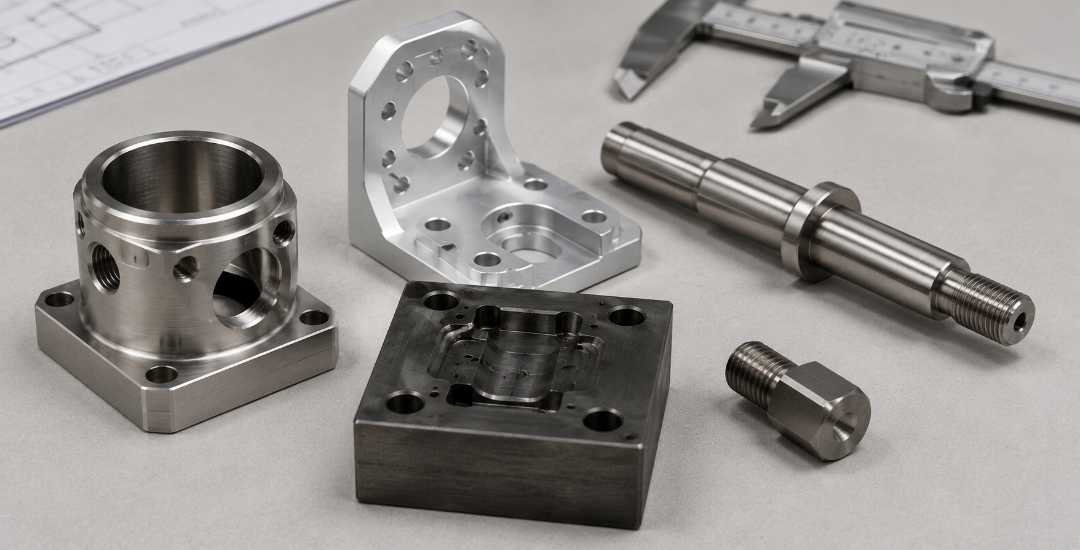
Some metals are much more susceptible to galling than others. Material properties such as hardness, ductility, crystal structure, and work-hardening behavior all influence how easily metal surfaces adhere during sliding contact.
| Материал | Galling Risk | Why |
| 304, 316 Austenitic Stainless Steel | Высокий | High ductility and rapid work-hardening make self-mated fasteners especially susceptible. |
| Алюминиевые сплавы | Высокий | Soft surfaces transfer material easily during sliding contact. |
| Titanium Alloys | Высокий | Strong adhesion between mating surfaces increases the risk of galling. |
| Никелевые сплавы | Высокий | High surface affinity makes galling more likely under heavy loads. |
| Copper Alloys | Умеренный | Some grades can gall, particularly in self-mated applications without adequate lubrication. |
| Hardened Tool Steels | Низкий | Higher hardness helps resist surface deformation and material transfer. |
| Martensitic Stainless Steels (410, 420) | Низкий | Higher hardness and a different microstructure improve galling resistance. |
| Nitronic 60 | Очень низкий | Specifically developed for excellent galling resistance in self-mated applications. |
| 17-4 PH (H900) | Низкий | Provides a good balance of strength, hardness, and galling resistance. |
Material selection is one of the earliest opportunities to reduce galling risk. Choosing compatible materials before production is often far more effective than trying to solve galling during assembly.
5. How to Prevent Metal Galling?
Preventing galling usually requires improvements in material selection, surface condition, and assembly practices. Combining these measures is far more effective than relying on a single solution.
Material and Pairing Strategy
Selecting the right material combination is the first step in reducing galling risk.
- Avoid self-mating materials. Whenever possible, use dissimilar materials for contacting parts. For example, pair stainless steel bolts with copper-alloy nuts, or use Nitronic 60 nuts with 304 stainless steel bolts.
- Increase the hardness difference. A hardness difference of at least 50 Brinell helps reduce adhesion. Hardened steel pins running in unhardened steel bushings are a common example.
- Choose galling-resistant materials. Alloys such as Nitronic 60 and 17-4 PH (H900) provide better resistance in threaded connections and demanding service conditions.
Choosing compatible material pairs early in the design stage often prevents galling before production begins.
Surface Engineering
Surface treatments reduce direct metal-to-metal contact and help slow the development of galling.
- Apply suitable lubricants. Anti-seize compounds containing copper or molybdenum disulfide are particularly effective for stainless steel fasteners. Lubricate both the threads and bearing surfaces whenever possible.
- Use protective coatings. Zinc plating, nickel plating, nitriding, анодирование, PTFE coatings, DLC, and CrN all reduce surface adhesion under different operating conditions.
- Control surface finish. A surface finish of Ra 16–32 µin (0.4–0.8 µm) generally provides a good balance between lubricant retention and reduced adhesion.
A well-prepared surface is often just as important as selecting the right material.
Assembly and Design Controls
Even suitable materials can gall if assembly conditions are not properly controlled.
- Reduce assembly speed and control torque. Lower rotational speeds and multi-step tightening help reduce frictional heat during assembly.
- Reduce contact pressure. Washers, larger bearing surfaces, and thicker flanges help distribute loads more evenly.
- Maintain proper thread fit. Avoid excessive interference and control coating thickness to prevent unnecessary friction.
- Keep parts clean. Remove chips, dirt, and other contaminants before assembly to protect the oxide layer and reduce surface damage.
Good assembly practices help ensure that the benefits of proper material selection and surface treatment are fully realized.
Preventing galling is rarely the result of a single measure. Combining appropriate materials, surface engineering, and controlled assembly practices provides the most reliable long-term solution.
6. What We’ve Seen in Real Manufacturing Projects
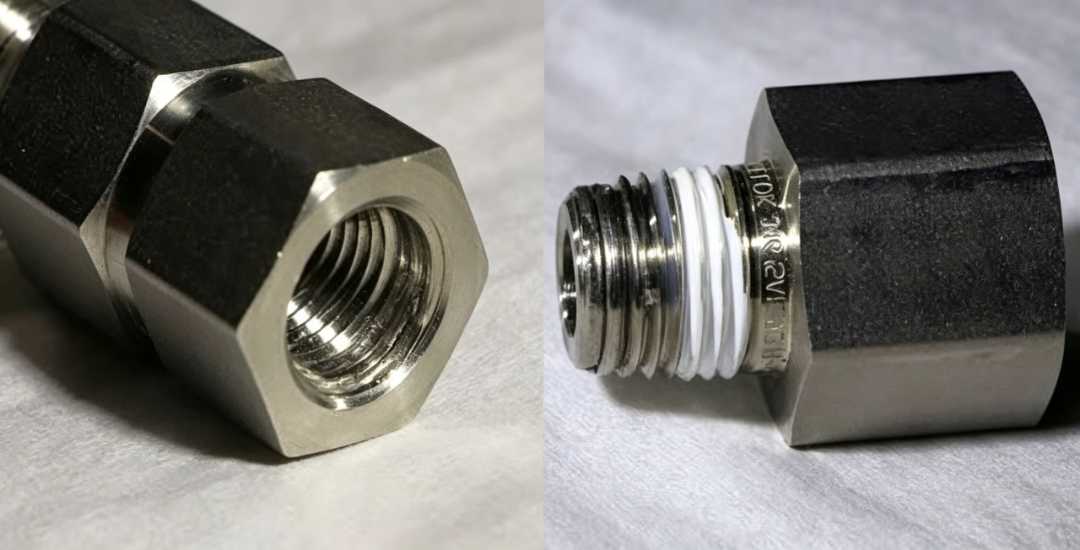
Although the causes of galling are well understood, the way it appears can vary from one application to another. In our manufacturing projects, these are some of the situations where galling is most commonly encountered.
Stainless steel fasteners
Self-mated 304 and 316 stainless steel fasteners are among the most common sources of galling during assembly. In projects involving frequent fastening or repeated maintenance, we pay close attention to material pairing, lubrication, and tightening procedures to reduce the risk before assembly begins.
Aluminum threaded components
Aluminum housings with threaded holes or steel inserts can also be susceptible to galling because aluminum transfers material relatively easily under friction. Selecting appropriate thread designs, controlling tightening torque, and applying suitable lubricants have proven effective in improving assembly reliability.
Sheet metal forming dies
В формовка листового металла, galling usually appears as material transfer from the workpiece to the die surface after repeated production cycles. Maintaining die surface quality through suitable coatings, regular polishing, and preventive maintenance helps reduce wear and extend tool life.
While the applications are different, the approach remains much the same. Careful material selection, proper surface preparation, and controlled assembly or forming conditions are usually the most effective ways to minimize galling.
7. Metal Galling vs. Other Wear Types
Galling shares some symptoms with other wear mechanisms, but the causes and failure patterns are quite different. Correctly identifying the type of wear helps determine the most effective prevention strategy.
| Wear Type | Mechanism | Typical Cause | Distinguishing Feature |
| Galling | Adhesive wear with material transfer between surfaces | High contact load, sliding motion, similar materials | Sudden onset with visible material transfer |
| Abrasive Wear | Hard particles cut or scratch a softer surface | Contamination or hard surface asperities | Scratching or grooving patterns |
| Fretting Wear | Small-amplitude oscillating motion damages the surface | Vibration, loose fits, repeated micro-movement | Red oxide debris and localized surface damage |
| Seizure | Severe galling causes surfaces to lock together | Progressive adhesive wear | Mating parts can no longer be separated |
Although these wear mechanisms may appear similar, they develop for different reasons and require different solutions. Identifying the correct failure mode is often the first step toward selecting appropriate materials, surface treatments, and maintenance practices.
8. Material Selection Mistakes That Lead to Galling
Material selection plays a major role in preventing galling, but choosing a stronger or more expensive alloy does not always solve the problem. In many cases, galling occurs because the material combination is not well matched to the application rather than because the material itself is unsuitable.
Using identical materials for mating parts
One of the most common mistakes is pairing identical materials, particularly 304 or 316 stainless steels, in threaded or sliding applications. Similar metals are more likely to adhere under load, making material transfer and seizure much more likely. Whenever possible, use compatible dissimilar materials instead of self-mated pairs.
Focusing only on hardness
Higher hardness can improve galling resistance, but it is only one part of the solution. Material compatibility, lubrication, surface finish, and operating conditions all influence whether galling develops during service.
Overlooking surface treatments
Changing the base material is not always necessary. Surface treatments such as hard anodizing, nitriding, DLC, PTFE coatings, or anti-seize lubricants can significantly reduce metal-to-metal adhesion and often provide a more practical solution.
Replacing both mating components unnecessarily
Upgrading every component to a premium alloy increases cost without always improving performance. In many applications, changing only the mating component or applying an appropriate surface treatment achieves comparable results with a lower overall cost.
When selecting materials for a new design, consider the entire assembly rather than evaluating each component independently. Reviewing the mating materials, operating conditions, lubrication strategy, and surface treatments together usually leads to a more reliable and cost-effective solution than upgrading a single material alone.
Заключение
Galling is often treated as a material problem, but in many manufacturing projects, the biggest improvements come from better engineering decisions. Material pairing, surface treatments, machining quality, and assembly methods all influence whether galling becomes a production issue.
For CNC-machined parts and sheet metal assemblies, small design and process changes made early in a project can often prevent costly rework later. At Беска, we review these details during the quoting stage to help customers select suitable materials and manufacturing processes, reducing galling risks before production begins.
Deeper into Our Resources
Для вашего содержательного чтения мы составили список рекомендуемых статей:
 Russian
 English
 Hebrew
 Turkish
 French
 German
 Spanish
 Portuguese