


Among various surface treatment options, zinc plating and nickel plating are two of the most frequently used for the metal parts. Both of them serve to protect and enhance metal parts, but they do so in different ways.
When you consider cost-efficiency and moderate corrosion protection as the key priorities, zinc plating can be a cost-effective choice. In contrast, nickel plating is known for its durability, aesthetic appeal, and performance. For a detailed comparison between the two, this article will break down the details from their mechanisms, applications, and costs to the industry standards.
1. What Is Zinc Plating?
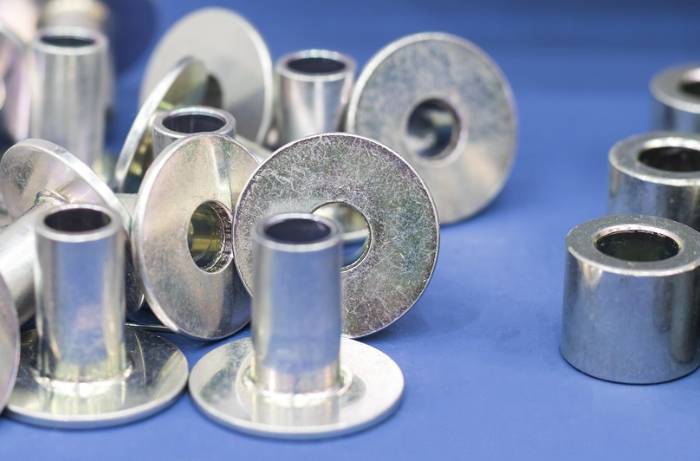
Zinc plating involves applying a thin zinc coating onto steel or iron parts using an electrochemical process. Its primary purpose is corrosion protection. Zinc serves as a sacrificial anode, which means it corrodes before the underlying metal does. This mechanism makes zinc plating an economical choice for many industries.
But the sacrificial protection of zinc is finite. You still need to combine it with an appropriate passivation treatment (like chromate conversion) to significantly extend its protective life and control its appearance.
2. The Process of Zinc Plating
Zinc plating is an electrochemical process that involves depositing a thin layer of zinc onto the surface of steel or iron parts to protect them from corrosion. The procedure consists of several key stages as below.
- Подготовка поверхности The process begins with thoroughly cleaning the metal surface to remove oils, grease, oxides, and scale. This is typically done through degreasing, alkaline cleaning, pickling in acid, or abrasive blasting, depending on the material and contamination level. Proper surface preparation ensures uniform adhesion and coating integrity.
- Activation After cleaning, the part is usually immersed in an acid activation bath to remove any remaining oxides and to prepare the surface for plating. This step enhances the receptiveness of the substrate to zinc ions during electroplating.
- Гальваника The cleaned and activated part is submerged in an electrolyte solution containing zinc salts. A direct current (DC) is applied, causing zinc ions to migrate and deposit onto the part’s surface. The part acts as the cathode, and the zinc source (anode) dissolves into the solution to maintain zinc ion concentration. The plating thickness can be controlled by adjusting the current density and duration of plating.
- Post-Treatment (Passivation) Once electroplating is complete, the zinc coating is often passivated using a chromate conversion coating. This step forms a thin protective film over zinc, enhancing corrosion resistance and determining the final appearance of the part. Common finishes include clear (blue), yellow, black, and olive drab, each offering different levels of corrosion protection and aesthetic appeal.
- Rinsing and Drying Finally, the parts are thoroughly rinsed to remove any residual chemicals and then dried. In some cases, a sealant or topcoat may also be applied to further improve corrosion resistance.


The Standard of Zinc Plating
Zinc plating is typically carried out in accordance with ASTM B633, which defines service condition levels (SC1 to SC4) based on the severity of the operating environment and specifies minimum coating thicknesses accordingly. For threaded fasteners, ISO 4042 provides additional guidelines for coating thickness, hydrogen embrittlement relief, and quality inspection procedures. Adherence to these standards ensures consistency and reliability in both functional and aesthetic outcomes.
3. What Is Nickel Plating?

Nickel plating refers to the application of a nickel layer onto a substrate, offering both functional and decorative benefits. Unlike zinc, which protects the base metal through sacrificial action, nickel acts as a physical barrier. This distinction results in better wear resistance and longevity, especially in harsh conditions.
4. The Process of Nickel Plating
The process may vary depending on whether electrolytic or electroless methods are used, but the core sequence remains largely consistent in most industrial applications.
- Подготовка поверхности The process begins with thorough cleaning of the substrate, which may include degreasing, acid pickling, or abrasive treatment to remove oil, rust, scale, or oxides. This step ensures the metal surface is fully receptive to the nickel coating. Inconsistent or incomplete cleaning can lead to adhesion failures later in the process.
- Activation After cleaning, the part undergoes activation—often using a mild acid or alkaline solution—to to condition the surface and eliminate any remaining oxide films. Activation promotes a uniform nickel deposition, especially critical for complex shapes or parts with varying material hardness.
- Nickel Deposition At this stage, nickel is deposited onto the surface using one of two primary methods:
- В electrolytic nickel plating, a direct current is applied while the part is submerged in a nickel salt electrolyte. The part acts as the cathode, and a nickel anode helps replenish metal ions in the solution.
- В electroless nickel plating, no electrical current is needed. Instead, a chemical reduction reaction deposits nickel uniformly—even into blind holes, internal surfaces, or threads. This makes it ideal for high-precision applications.
- Brightening (Optional) Depending on the desired finish, brightening agents may be added to the plating bath to enhance the coating’s gloss and smoothness. These agents produce a reflective, mirror-like surface finish that is often required for decorative or consumer-facing parts. Matte or satin finishes are also achievable by adjusting bath composition.
- Post-Treatment, Rinsing, and Drying After plating, the part is thoroughly rinsed to remove residual chemicals and prevent spotting. In some cases, additional steps such as heat treatment (to improve hardness) or anti-tarnish sealing may be applied. Drying completes the process.

The Standard of Nickel Plating
Nickel plating is often performed under established industry specifications to ensure reliability and uniform quality. For decorative electroplated nickel finishes, ASTM B689 outlines key criteria, including coating thickness, adhesion strength, and surface appearance. When it comes to electroless nickel plating, particularly in aerospace, defense, and medical fields, the MIL-C-26074 standard is frequently used. These standards help manufacturers like us to maintain consistent performance across diverse components.
5. Comparison Table: Nickel Plating VS Zinc Plating
To show you the difference between them wtih a quick clear comparison, here is the table below:
| Свойство | Цинкование | Никелирование |
| Coating Purpose | Sacrificial corrosion protection | Barrier corrosion protection |
| Typical Thickness | 5–25 μm | 10–30 μm (can be more for EN) |
| Appearance | Bright, bluish, or chromated color | Bright, mirror-like, or satin |
| Твёрдость поверхности | Relatively low | Higher (especially electroless nickel) |
| Расходы | Ниже | Выше |
| Adhesion | Good on steel | Very good on many substrates |
| Ideal Use Cases | Fasteners, brackets, light hardware | Decorative trim, electronics, molds |
These differences form the basis for deciding which finish is more appropriate.
6. Difference Between Nickel and Zinc Plating
To make an informed choice, it’s also necessary for you to consider more aspects like cost, coverage, processing complexity. Here’s how zinc and nickel plating compare across key performance areas:
Коррозионная стойкость
- Zinc plating protects through sacrificial action. With passivation, it can endure up to 200 hours in salt spray tests, but performance declines in highly corrosive environments.
- Nickel plating, especially electroless high-phosphorus coatings, acts as a barrier and can exceed 500+ hours in salt spray tests, performing better in alkaline and mildly acidic conditions.
Surface Hardness and Wear Resistance
- Цинк is relatively soft, making it more vulnerable to abrasion or repeated mechanical contact.
- никель—particularly heat-treated electroless nickel—offers surface hardness up to 700 HV, ideal for parts exposed to friction, impact, or wear.
Coating Uniformity and Coverage
- Zinc plating, especially on complex geometries, may result in uneven coating thickness, which affects both function and appearance.
- Electroless nickel plating provides uniform coverage on all surfaces, including recesses and blind holes, which is critical for precision components.
Appearance and Finish Options
- Zinc coatings can be clear, yellow, black, or olive, with a matte to semi-gloss finish—functional but not always aesthetic.
- Nickel plating allows for bright, satin, or matte finishes with a more polished, high-end look—often used decoratively.
Cost and Process Complexity
- Zinc plating is more economical and faster, well suited for high-volume runs with moderate performance requirements.
- Nickel plating is more costly, with longer processing time and stricter process control, but offers higher long-term value in critical applications.
Environmental and Regulatory Compliance
- Zinc plating may involve hexavalent chromates (regulated under RoHS), though trivalent alternatives are now common.
- никель is a heavy metal with stricter waste treatment requirements, adding a regulatory burden for finishers.
By weighing these factors alongside corrosion resistance and surface performance, you’ll be in a stronger position to choose a coating that fits your product.
7. Applications of Nickel and Zinc Plating
Below are common use cases of nickel and zinc plating across industries.
Автомобильный
Zinc plating is widely used in the automotive industry for components such as bolts, brackets, and stamped parts. Nickel plating, while less common in structural parts, is used for trim and decorative hardware where appearance and durability are essential.

Электроника
Electroless nickel plating is preferred for connectors, contact points, and circuit components due to its uniform deposition, good solderability, and resistance to wear. Its ability to coat complex geometries evenly makes it well suited for parts with tight tolerances. Zinc plating has limited use in electronics, mostly for supporting structures where conductivity and high precision are not required.
Медицинские приборы
Nickel plating is frequently used in medical instruments and housings that must endure sterilization and chemical exposure. Its smooth finish and surface hardness are key advantages in applications requiring both corrosion resistance and biocompatibility. Electroless nickel, especially with high phosphorus content, performs well under repeated sterilization cycles.
Construction Hardware
Zinc plating remains the economical choice for construction fasteners, brackets. It meets basic corrosion protection needs without significantly increasing manufacturing costs, making it suitable for high-volume production.
Each industry has unique demands. And remember when deciding on a plating method, always consider the full lifecycle of the part instead of just initial performance.
8. How To Make the Right Choice:Nickel vs Zinc Plating
Selecting between zinc and nickel plating involves weighing performance needs against budget and compliance requirements. Here are some general observations that can guide the decision.
Choose zinc plating when:
- Cost is your primary concern
- Your parts will be used in dry or indoor environments
- Moderate corrosion resistance is sufficient
- Your component is a fastener, bracket, or stamped part
Choose nickel plating when:
- The application of your parts involves moisture, abrasion, or chemicals
- Your component requires precise tolerances or aesthetic appeal
- Long-term performance is your priority
- Your parts will be used in electronics, plumbing, or tooling
For more specific requirements, you can consult with your plating provider. A professional provider can assess factors from geometry to recommend the most suitable coating.
Заключение
Both zinc and nickel plating are effective metal finishing solutions, each offering unique advantages. Zinc excels in affordability and sacrificial protection, making it ideal for general-purpose applications. Nickel provides a durable, decorative, and chemically resistant barrier, better suited to high-performance needs.
Ultimately, the optimal choice comes down to a balance between function, form, and financial feasibility. For best results, engage with the Команда Беска who can align material choices with your project requirements and industry standards.
Часто задаваемые вопросы
1. Is nickel plating better than zinc plating?
It depends on the final application. Nickel plating offers better corrosion resistance, surface hardness, and wear resistance. It makes nickel plating ideal for high-performance or decorative parts. Zinc plating is more cost-effective and works well for general-purpose components in low to moderate environments.
2. Can you zinc and nickel plate on aluminum?
Yes, but aluminum requires proper surface preparation. For both zinc and nickel plating, a zincate treatment is typically applied first to promote adhesion. With the right pre-treatment, both coatings can be successfully deposited on aluminum substrates.
3. Can you nickel plate over zinc?
Technically, yes. But it’s not the common practice. Plating nickel over zinc can lead to adhesion issues or unwanted reactions unless the zinc layer is carefully controlled or removed. In most cases, nickel is plated directly onto the base metal or over an appropriate underlayer like copper.
4. Is nickel plated ok for outdoor use?
Yes, especially electroless nickel plating with high phosphorus content. It provides a dense, uniform barrier against moisture and chemicals. However, for long-term outdoor exposure, proper thickness and post-treatment (like sealing) are recommended to maintain performance.
Deeper into Our Resources
Для вашего содержательного чтения мы составили список рекомендуемых статей:
 Russian
 English
 Hebrew
 Turkish
 French
 German
 Spanish
 Portuguese