


In the field of advanced materials, high-performance fibers have become a driving force for innovation in aerospace, construction, automotive manufacturing, and many other industries.
Among these, basalt fiber and carbon fiber stand out for their unique combination of strength, durability, and versatility. While both are used to enhance the performance of components, they differ significantly in origin, production methods, physical properties, and cost.
This article provides a closer look at basalt fiber and carbon fiber, examining how each is made, their key characteristics, and the applications where they deliver the most benefit in manufacturing.
1. What Is Basalt Fiber?
Producing basalt fiber starts with a single natural ingredient, volcanic basalt rock. The process is straightforward yet highly specialized, relying on precise temperature control and specialized forming equipment. In its simplest form, basalt fiber manufacturing involves heating the rock to extremely high temperatures and drawing it into fine, continuous filaments. Because no chemical additives are required, the resulting material is both environmentally friendly and fully recyclable.

Compared to the production of glass fiber or carbon fiber, the basalt fiber process is more energy-efficient and generates fewer emissions, making it an attractive choice for applications where sustainability is a priority. The streamlined steps also contribute to stable quality and lower operational costs.
Main stages in basalt fiber production:
- Raw Material Preparation. High-quality basalt is carefully selected, crushed into granules of uniform size, and impurities are removed to ensure fiber quality.
- Melting. The prepared basalt is heated in a furnace to 1450–1500 °C until it reaches a homogenous molten state with the appropriate viscosity for fiber drawing.
- Fiber Forming. Molten basalt is extruded through a platinum-rhodium alloy bushing with precision-engineered nozzles, producing continuous fibers with consistent diameters.
- Surface Treatment. A thin layer of sizing agent is applied to the freshly formed fibers to improve adhesion to resin matrices and enhance processing performance.
- Product Finishing. Depending on the intended application, treated fibers are processed into chopped strands, continuous roving, woven fabrics, or other reinforcement formats.
The combination of natural raw materials, a relatively simple process, and minimal environmental impact makes basalt fiber production both technically efficient and aligned with modern sustainability goals.
2. Key Properties of Basalt Fiber
Basalt fiber combines unique physical, mechanical, chemical, and thermal characteristics, making it a versatile material for a wide range of applications. Below is a detailed overview of its key characteristics:
| Property Category | Details |
| Physical | Color: black/dark gray; Density: 2.8–3.3 g/cm³; Hardness (Mohs): 6–7; Thermal conductivity: 1.5–3.0 W/(m·K) |
| Mechanical | Elastic modulus: 80–100 GPa; Compressive strength: 100–300 MPa; Excellent abrasion resistance |
| Chemical | SiO₂ (45–52%), Al₂O₃ (10–18%), CaO + MgO (13–25%), Fe oxides (6–18%); High corrosion resistance to acids, alkalis, and solvents |
| Thermal | Melting point: ~1000–1200 °C; High oxidation resistance |
| Acoustic | Sound absorption coefficient: 0.9–0.99 |
| Environmental | 100% natural raw material; recyclable and eco-friendly |
| Kosten | Positioned between glass fiber and carbon fiber; high cost-performance ratio |
These properties make basalt fiber suitable for both structural and functional applications, from reinforcement in composite materials to high-temperature and corrosion-resistant components.
3. What Is Carbon Fiber?
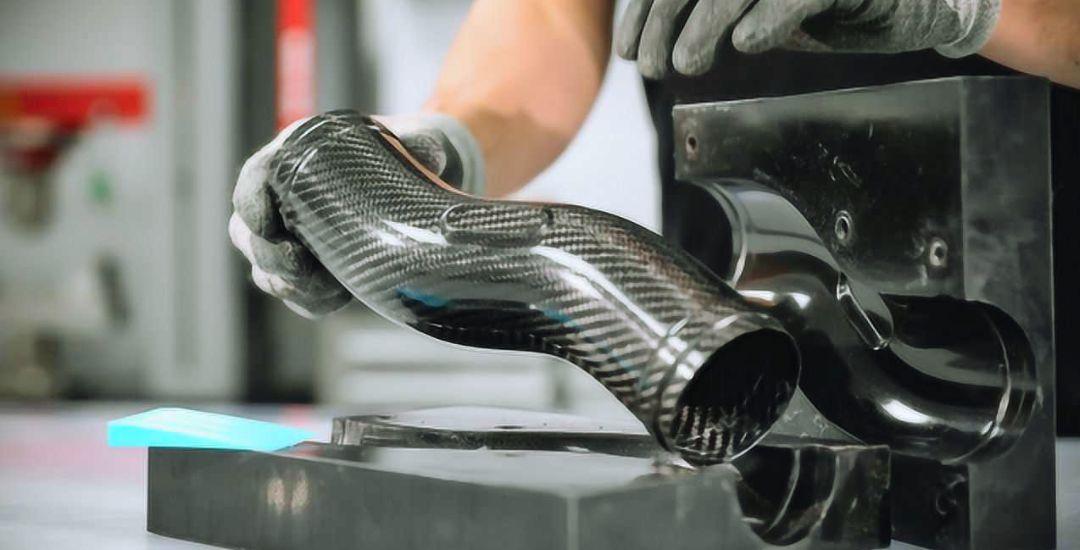
Kohlefaser is a synthetic high-performance material made primarily of carbon atoms, typically exceeding 90% content. Its unique combination of lightweight properties and high tensile strength makes it ideal for applications where both weight reduction and structural performance are critical. This is why it is often referred to as the “black gold” of the materials industry. Unlike basalt fiber, which is derived from natural rock, carbon fiber is produced entirely through controlled industrial processes.
Production Process
Carbon fiber production involves converting organic precursor fibers (most commonly polyacrylonitrile, or PAN) into carbon fibers through a series of heat treatments. The process requires precise temperature control, specialized equipment, and inert atmospheres, making it more energy-intensive than basalt fiber production.
Key steps in carbon fiber production include:
- Precursor Preparation. The process begins with organic precursor fibers, most commonly polyacrylonitrile (PAN), although pitch or viscose can also be used. These materials are spun into fine filaments that form the backbone of future carbon fibers.
- Stabilization (Pre-Oxidation). The filaments are gradually heated in air to 200–300°C. This step chemically stabilizes the fibers, converting their linear molecular chains into a heat-resistant ladder structure, which is essential to prevent melting during subsequent high-temperature processing.
- Carbonization. Stabilized fibers are heated to 300–800°C in an inert gas environment, such as nitrogen. Non-carbon elements like hydrogen, oxygen, and nitrogen are removed, leaving behind a primarily carbon-based skeleton.
- Graphitization. Fibers are further heated to 1000–2000°C to increase carbon content above 90% and promote the formation of a graphitic structure. This step enhances tensile strength and stiffness, giving carbon fiber its characteristic mechanical properties.
- Surface Treatment and Sizing. Fibers are treated to improve adhesion with resin matrices in composite materials. A protective sizing layer is applied to prevent damage and enhance processability during manufacturing.
- Winding and Finishing. The treated fibers are collected into continuous tows, chopped strands, or woven fabrics depending on their intended application. This versatility allows carbon fiber to be used in reinforced plastics, precision structural components, and other high-performance applications.
The combination of carefully controlled processing and advanced heat treatments is what gives carbon fiber its exceptional performance.
4. Key Properties of Carbon Fiber
Carbon fiber offers a unique combination of lightweightness, strength, and thermal stability, which is why it is widely used in aerospace, automotive, sporting goods, and high-performance industrial applications.
| Property Category | Details |
| Physical | Density: 1.7–2.0 g/cm³; Color: black |
| Mechanical | Tensile strength: 3000–7000 MPa; Tensile modulus: 200–500 GPa; Elongation at break: 1.5–3.5% |
| Thermal | Thermal conductivity: 10–100 W/(m·K); Thermal expansion coefficient: -1.5–0.5 ×10⁻⁶ /°C |
| Electrical | Resistivity: 1.5–15 ×10⁻⁶ Ω·cm |
| Chemical | Excellent corrosion resistance; stable up to 300 °C in air and over 2000 °C in inert gas |
| Fatigue Resistance | Significantly higher than metals |
| Kosten | High—reflecting the complexity of manufacturing |
Compred to basalt fiber, carbon fiber excels where maximum stiffness, strength-to-weight ratio, and thermal resilience are critical.
5. Basalt Fiber vs Carbon Fiber: Side-by-Side Comparison
Both basalt fiber and carbon fiber are high-performance materials, but they differ in origin, mechanical properties, thermal behavior, and environmental impact.
| Besonderheit | Basalt Fiber | Kohlefaser |
| Origin | Natural volcanic rock | Synthetic (PAN, pitch, viscose) |
| Dichte | 2.8–3.3 g/cm³ | 1.7–2.0 g/cm³ |
| Zugfestigkeit | ~3800–4800 MPa (composite form) | 3000–7000 MPa |
| Elastic Modulus | 80–100 GPa | 200–500 GPa |
| Thermal Resistance | >500 °C | >2000 °C in inert gas |
| Korrosionsbeständigkeit | Exzellent | Exzellent |
| Umweltauswirkungen | 100% recyclable, no additives | Energy-intensive production |
| Kosten | Medium | Hoch |
| Anwendungen | Structural reinforcements, tooling, corrosion-resistant components | Aerospace, high-performance automotive, sports equipment |
Basalt fiber offers a sustainable and cost-effective solution for structural reinforcements and corrosion-resistant components, while carbon fiber delivers unmatched stiffness, tensile strength, and thermal stability for high-performance applications.
6. The Applications of Basalt Fiber

Basalt fiber is increasingly used in manufacturing due to its strength, heat resistance, and environmental friendliness. Its natural properties make it ideal for a variety of functional and structural components:
- Tool Handles and Lightweight Frames. Basalt fiber composites provide high strength while reducing weight. This makes tools and structural frames easier to handle and less fatiguing during prolonged use.
- Abrasive and Polishing Materials. Crushed basalt has excellent hardness and wear resistance, making it a durable abrasive. It ensures effective surface finishing without causing excessive wear on workpieces.
- Corrosion-Resistant Fasteners and Fittings. Basalt fiber components resist moisture, chemicals, and saltwater corrosion, making them suitable for long-lasting outdoor or industrial use.
- Insulating Components in Electrical Equipment. Naturally non-conductive, basalt fiber is ideal for insulators, protective housings, and support structures in electrical applications.
- High-Temperature Fixtures and Supports. Capable of withstanding temperatures over 500°C, basalt fiber is well-suited for furnace fixtures, oven supports, and other parts exposed to high heat.
Basalt fiber is particularly suitable for structural reinforcements, industrial equipment, and electrical insulation components.
7. The Applications of Carbon Fiber
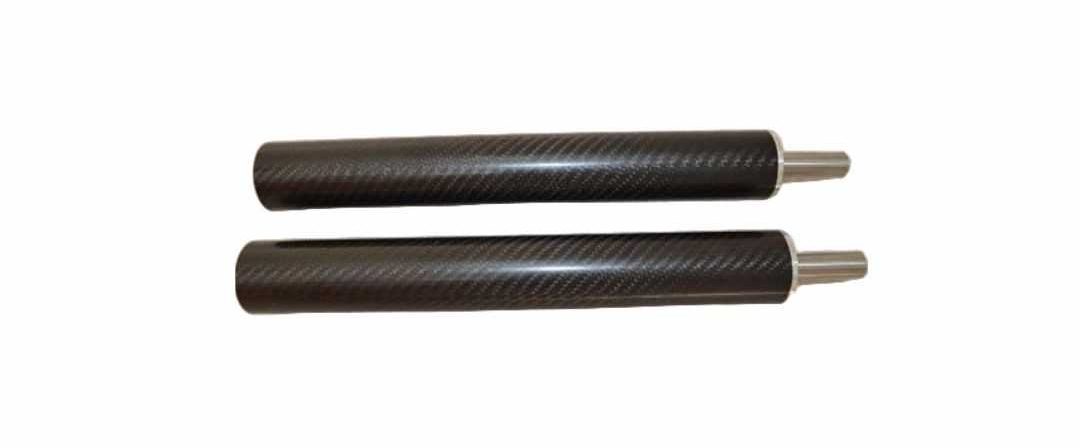
Carbon fiber is widely adopted where extreme strength, stiffness, and lightweight performance are critical. Its versatility allows it to meet the demands of high-performance and precision applications:
- Machine Frames and Precision Equipment Support. High stiffness and low density make carbon fiber ideal for machinery frames and equipment supports. It helps reduce vibration and improve operational accuracy.
- Lightweight Gears, Bearings, and Fasteners. Carbon fiber reinforced components can replace metal parts, lowering overall weight while maintaining strength and durability.
- Protective Housings and Covers. Carbon fiber’s impact resistance and corrosion stability protect sensitive equipment in harsh environments.
- Heat-Dissipating Components. With directional thermal conductivity, carbon fiber can be used in specialized heat sinks and other thermal management applications.
- Carbon Fiber Reinforced Plastics (CFRP). Extensively applied in automotive, electronics, and sports equipment, CFRP combines strength, rigidity, and lightweight performance to optimize efficiency and durability.
Carbon fiber excels in applications demanding top-tier performance and minimal weight, making it the material of choice when precision, stiffness, and durability cannot be compromised.
8. Limitations and Challenges: Basalt Fiber vs Carbon Fiber
While both basalt fiber and carbon fiber offer excellent mechanical properties, each material also has specific limitations that affect processing, performance, and application suitability.
Carbon Fiber Limitations
Carbon fiber provides outstanding stiffness and strength, but it is relatively brittle and can fail under sudden impact, torsion, or concentrated point loads. Its anisotropic nature, meaning properties vary with fiber orientation, makes machining, drilling, and joining more complex and often requires diamond-coated tools or specialized cutting parameters. High production costs and energy-intensive precursors further restrict its use in budget-sensitive applications.
Basalt Fiber Challenges
Basalt fiber is naturally tough, corrosion-resistant, and thermally stable, yet its high melting temperature and viscosity make fiber drawing and extrusion more demanding than glass fiber. Surface treatment is often necessary to ensure strong adhesion with resin matrices, especially in high-stress composite laminates or load-bearing structural components. While it offers good impact resistance, its tensile strength and modulus are generally lower than carbon fiber, limiting its use in extremely stiffness-critical applications.
These material-specific limitations illustrate that performance advantages come with trade-offs. Carbon fiber is ideal when maximum stiffness, strength, and weight reduction are critical, whereas basalt fiber offers durability, chemical and thermal stability, and cost-effectiveness for applications where toughness and environmental resistance are priorities.
9. Choosing the Right Material
Selecting between basalt fiber and carbon fiber depends on performance requirements, environmental considerations, and budget. The following table highlights typical decision factors:
| Rücksichtnahme | Basalt Fiber | Kohlefaser |
| Kosten | Medium; more cost-effective for large-scale or budget-sensitive projects | High; justified for high-performance applications |
| Korrosionsbeständigkeit | Excellent; ideal for moisture- or chemical-exposed environments | Excellent; also suitable for corrosive environments |
| Umweltauswirkungen | 100% natural and recyclable; no chemical additives | Energy-intensive production; less eco-friendly |
| Strength and Stiffness | Moderate; suitable for structural reinforcement and lightweight frames | Extremely high; ideal for high-stiffness, low-weight applications |
| Thermal Performance | Withstands >500 °C | Withstands >2000 °C in inert atmospheres |
| Best Use Cases | Tooling, fasteners, insulation, high-temperature supports | Aerospace, high-performance automotive, precision machinery, sports equipment |
By aligning your project priorities with these factors, you can choose the material that best balances performance, cost, and sustainability, ensuring efficient and reliable results.
Abschluss
Basalt fiber and carbon fiber each offer distinct advantages for manufacturing and engineering applications. As industries continue to prioritize lighter, stronger, and more environmentally friendly materials, basalt fiber is gaining attention for its sustainable production and corrosion-resistant properties, while carbon fiber remains the go-to choice where maximum stiffness, precision, and lightweight performance are essential.
Looking ahead, many manufacturers are exploring hybrid applications or material-specific optimizations to balance cost, durability, and environmental impact. For your next project, consulting with a knowledgeable supplier like the Beska team can ensure you select the material that truly meets your technical and operational requirements.
Tauchen Sie tiefer in unsere Ressourcen ein
Suchen Sie nach vielfältigeren Serviceoptionen? Stöbern Sie durch unsere handverlesene Auswahl:
- CNC Drone Parts
- Drone Industry
- Best Material for Drone Frame
- Custom Drone Manufacturing Guide
- CNC-Bearbeitungsservice
- What Is Aluminum 6061
 German
 English
 Hebrew
 Turkish
 French
 Russian
 Spanish
 Portuguese