
Custom Injection Molded Enclosures
- Low-volume injection molding available
- From rapid tooling to molding
- Expert Support

Beska – Beste Qualität zu wettbewerbsfähigen Preisen.
Wir sind mit unserer Fachkompetenz in der Blechbearbeitung und CNC-Bearbeitung für Sie da.
Advantages of Custom Injection Molded Enclosures
Custom enclosures are not only about appearance; they are built to deliver functionality and long-term performance. Some of the main advantages include:

- Consistency and repeatability: Injection molding produces identical parts across thousands of cycles, ensuring uniform quality.
- Complex geometries: Designs with snap fits, ribs, bosses, or intricate curves can be achieved with precision.
- Material flexibility: Options such as ABS, Polycarbonate, Nylon, and Polypropylene cover a wide range of mechanical and environmental requirements.
- Durability: With resistance to impact, heat, and chemicals, molded enclosures stand up to challenging conditions better than many alternatives.
These features make injection-molded enclosures the preferred choice across industries where both design freedom and performance are essential.
Beska – Beste Qualität zu wettbewerbsfähigen Preisen.
Wir sind mit unserer Fachkompetenz in der Blechbearbeitung und CNC-Bearbeitung für Sie da.
Choose Beska for Custom Injection Molded Enclosures
Partnering with the right manufacturer ensures your project runs smoothly from design to delivery. At Beska, our strengths include:
In-house mold design and tooling—Our dedicated mold shop shortens lead times by up to 15% compared to outsourcing. This also allows tighter control over tool precision and repeatability.
Comprehensive quality assurance—Every batch undergoes CMM dimensional inspection, material traceability checks, and surface finish verification.
Cross-industry expertise—With over 10 years of experience, we have successfully delivered enclosures for electronics, automotive, and medical clients worldwide.
Efficient project management—Standard lead times range from 2–4 weeks for prototypes and 4–8 weeks for production orders, supported by transparent progress updates at each stage.
Scalable production capacity—From rapid prototypes to full-scale runs of 50,000+ units, our injection molding lines are equipped to meet both low-volume and high-volume needs with consistency.
Collaborative engineering support—The Beska team assists from early design consultation to final shipment, helping clients optimize wall thickness, tolerance, and material selection for cost-effective solution.
Manufacturing Process Overview
Producing a custom injection molded enclosure involves several coordinated stages, each contributing to the final quality and functionality of the part.
- Formenbau—Engineers create tooling based on the enclosure’s specifications, considering part geometry, wall thickness, and draft angles. Simulations are often used to predict flow and shrinkage, helping to avoid defects before production begins.
- Werkzeugbau—High-precision molds are manufactured, incorporating features such as ejector pins, cooling channels, and slides for complex geometries. Careful tooling ensures that each part is consistent and meets design requirements.
- Injection Molding Production—Plastic material is injected into the mold under controlled conditions. The process can accommodate both prototype runs and large-scale production, delivering consistent quality and repeatability.
- Finishing and Assembly—Post-processing may include surface treatments, painting, laser engraving, or coating. Multi-component enclosures are assembled using snap fits, screws, or ultrasonic welding. Quality inspections verify dimensions and finishes to ensure every batch meets specifications.
This structured approach allows manufacturers to produce reliable enclosures efficiently while maintaining flexibility for different production volumes.

Quality Assurance & Inspection
Consistent quality in custom injection molded enclosures relies on inspection throughout the production process.

Beska – Beste Qualität zu wettbewerbsfähigen Preisen.
Wir sind mit unserer Fachkompetenz in der Blechbearbeitung und CNC-Bearbeitung für Sie da.
Material Verification. Plastic resins are checked for grade, mechanical properties, and thermal stability before production. This ensures the material performs reliably under expected conditions.
In-Process Monitoring. Key parameters such as temperature, pressure, and cycle time are continuously monitored. Regular checks on critical dimensions and visible features allow early detection of deviations and reduce batch variation.
Dimensional Inspection. Finished parts are measured with precision tools to confirm tolerances. This step ensures components fit correctly and assemblies function as intended.
Surface Quality Control. Surface finish is evaluated for texture, color consistency, and visible defects. Maintaining uniform appearance is important for both functional and consumer-facing products.
Inspection Documentation. When required, inspection reports, material certifications, and first article inspection data are provided. These records support traceability and help customers confidently proceed from sampling to production.
Supported Materials
Selecting the right one ensures that your enclosure meets both performance and cost requirements. Below are some of the most widely used materials:
| Material | Wichtige Eigenschaften | Typische Anwendungen |
| ABS | Cost-effective, good toughness, easy finishing | Consumer electronics, general housings |
| Polycarbonat (PC) | High impact resistance, transparent, good heat resistance | Protective covers, lighting enclosures |
| Nylon (PA6/PA66) | Strong, abrasion-resistant, good mechanical strength | Industrial housings, automotive parts |
| Polypropylen (PP) | Lightweight, chemical-resistant, fatigue-resistant | Industrial containers, battery cases |
| Polyethylen (PE) | Flexible, impact-resistant, good insulation properties | Electrical housings, outdoor enclosures |
| PBT (Polybutylene Terephthalate) | Excellent dimensional stability, good electrical properties | Automotive electrical connectors, appliance housings |
| Acryl (PMMA) | High optical clarity, good UV resistance | Transparent covers, display housings |
| PVC | Flame-retardant, chemical-resistant | Electrical conduit enclosures, protective housings |
| TPE/TPU | Flexible, rubber-like feel, good impact absorption | Overmolded grips, handheld device enclosures |
| PPS (Polyphenylene Sulfide) | High heat resistance, chemical stability | Automotive and industrial housings |
| LCP (Liquid Crystal Polymer) | Excellent dimensional precision, high heat resistance | Miniaturized electronic connectors, fine housings |
By carefully matching the enclosure’s operating conditions with the properties of these materials, engineers can balance durability, functionality, and cost-effectiveness.
Beska – Beste Qualität zu wettbewerbsfähigen Preisen.
Wir sind mit unserer Fachkompetenz in der Blechbearbeitung und CNC-Bearbeitung für Sie da.
Design Considerations for Custom Enclosures
Careful attention to detail helps ensure that the final product is both functional and cost-effective. Some of the most important factors include:

- Dimensions and tolerances—Critical fits should be held within ±0.05 mm to ensure proper alignment with circuit boards and mechanical parts.Early tolerance analysis reduces the risk of assembly issues later.
- Wall thickness—Uniform wall thickness between 1.5 and 3.0 mm is generally recommended. This balance prevents warping, avoids sink marks, and optimizes material usage.
- Surface finishes—Beyond aesthetics, textures can hide flow lines or fingerprints, while gloss finishes provide a premium look. Options include SPI surface standards (A-1 high gloss, B-3 medium polish, D-2 textured).
- Functional features—Snap fits, bosses, and reinforcing ribs not only simplify assembly but can cut assembly time by up to 40% compared to screw-fastened housings.
- Compliance requirements—Depending on the application, enclosures may need UL94 V-0 flame-retardant plastics, EMI/RFI shielding coatings, or FDA-approved materials for medical devices.
Applications of Injection Molded Enclosures
A single design can be tailored to meet the demands of different environments, from consumer electronics to highly regulated medical devices. Below are some of the most common applications:
Electronics and Consumer Devices
Custom housings protect sensitive components such as printed circuit boards, handheld devices, and sensors. Openings can be designed for ports, connectors, and buttons, ensuring both protection and user convenience.
Industrial and Automotive
In challenging environments, enclosures must resist vibration, temperature fluctuations, and mechanical stress. Injection-molded housings are often used in control panels, machinery modules, and automotive electronic units, where long-term reliability is essential.
Medical and Healthcare
Sterilizable and lightweight enclosures are ideal for diagnostic tools, portable monitoring equipment, and laboratory instruments. Medical-grade plastics not only protect delicate electronics but also meet strict regulatory requirements.
Telecommunications and Networking
Enclosures for routers, modems, and communication devices often rely on injection molding for precise fit, lightweight design, and the integration of ventilation or EMI shielding features.

Beska – Beste Qualität zu wettbewerbsfähigen Preisen.
Wir sind mit unserer Fachkompetenz in der Blechbearbeitung und CNC-Bearbeitung für Sie da.
Advantages Over Alternative Processes
Compared to other manufacturing methods, injection molding offers unique advantages:
| Verfahren | Am besten für | Einschränkungen |
| Spritzguss | High-volume, complex enclosures | High upfront mold cost |
| CNC-Bearbeitung | Low-volume, high-precision parts | Higher cost for large runs |
| 3D-Druck | Prototypes, small batches | Limited material/mechanical options |
| Sheet Metal | Strong, durable housings | Limited design flexibility |
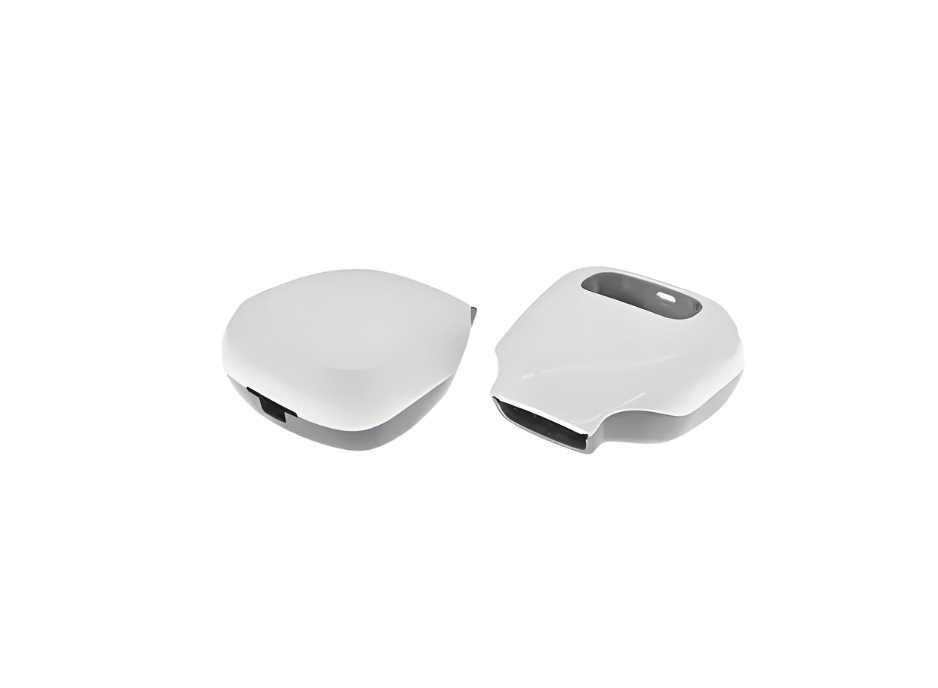
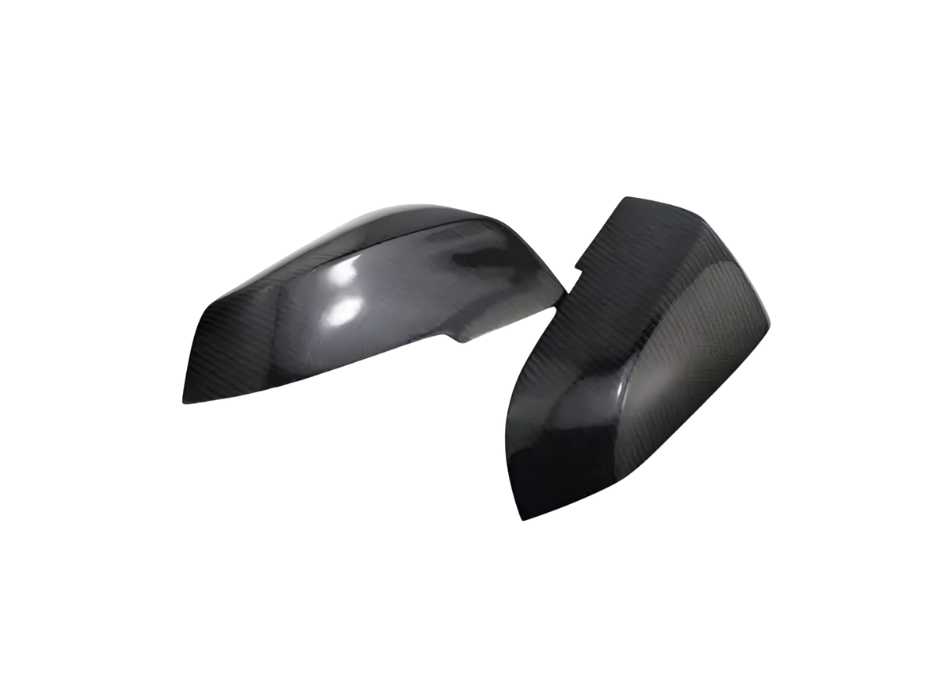
Custom Injection Molded Enclosures We Made
Here are some representative parts from recent projects, demonstrating how our enclosures meet diverse industry requirements.


Häufig gestellte Fragen
Lead time varies depending on complexity, but prototypes usually take 2–4 weeks, while full production runs can be completed in 4–8 weeks.
We commonly work with STEP, IGES, and SolidWorks files, but other formats can be accommodated.
Options include matte, textured, gloss, painting, powder coating, and laser engraving.
Yes, we support everything from small pilot runs to large-scale production.
Depending on your application, we can recommend material additives, ribs, gussets, or overmolding techniques to improve rigidity, impact resistance, and longevity of your custom plastic enclosures.
Yes, we can produce multi-material or overmolded enclosures combining rigid and soft-touch plastics, enhancing ergonomics, sealing, or vibration resistance for specialized applications.
Yes. We can produce prototype samples to verify fit, function, and appearance before moving to mass production. This helps ensure the final parts meet your requirements.
Typical tolerances range from ±0.1 mm for standard enclosures to ±0.05 mm for precision parts, depending on size, material, and complexity.
Yes. Our engineers review your designs and provide feedback to optimize wall thickness, draft angles, and other features for consistent molding and cost-effective production.
Depending on the material selected, many enclosures can be made from recyclable plastics or materials compliant with environmental standards such as RoHS or REACH.
Tauchen Sie tiefer in unsere Ressourcen ein
Suchen Sie nach vielfältigeren Serviceoptionen? Stöbern Sie durch unsere handverlesene Auswahl:
For more details, we’ve curated a list of recommended articles just for you:
It's Time to Get An Custom Injection Molding Quote
Beska – Beste Qualität zu wettbewerbsfähigen Preisen.
Wir sind mit unserer Fachkompetenz in der Blechbearbeitung und CNC-Bearbeitung für Sie da.
 German
 English
 Hebrew
 Turkish
 French
 Russian
 Spanish
 Portuguese