


Kovar is an iron-nickel-cobalt alloy known for its controlled thermal expansion. It is widely used in glass-to-metal and ceramic-to-metal sealing applications, where reducing thermal expansion mismatch helps protect hermetic seals during manufacturing and temperature changes.
Its thermal behavior makes Kovar valuable for electronic packaging, vacuum components, and other precision assemblies, but the material also presents machining challenges such as work hardening and limited thermal conductivity.
This article explains what Kovar is, its key properties and applications, and the main considerations when machining and designing Kovar parts.
1. What Is Kovar Alloy
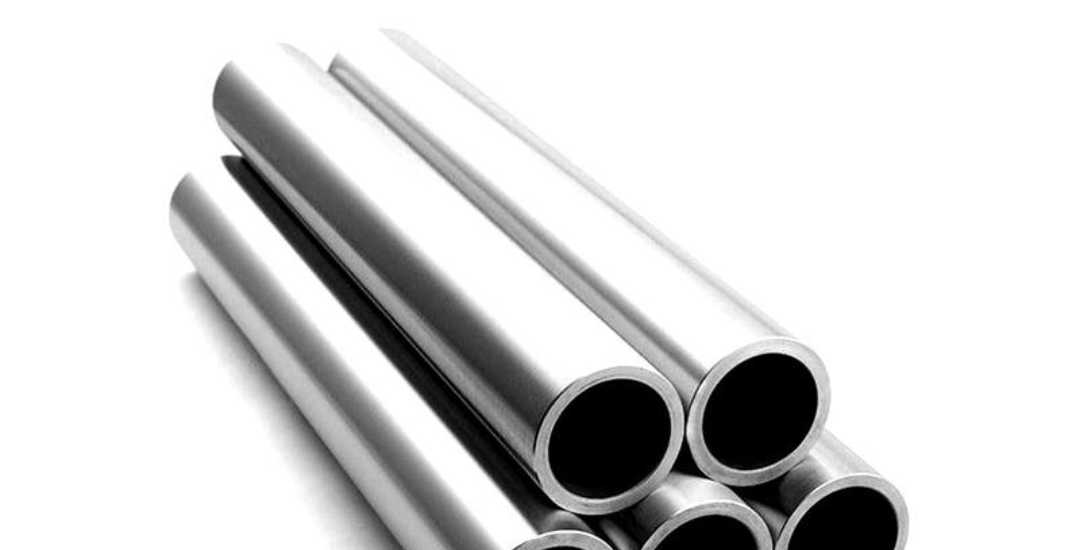
Kovar is an iron-nickel-cobalt controlled-expansion alloy widely used in hermetic sealing applications. Its main advantage is not exceptional strength or hardness, but its carefully controlled thermal expansion behavior.
This allows Kovar to be used with compatible glass and ceramic materials in components such as electronic packages, feedthroughs, vacuum devices, and sealed optical assemblies. By reducing differences in thermal expansion between joined materials, Kovar helps limit thermal stresses during sealing and subsequent temperature changes.
Kovar Standards and Grade
Kovar is commonly associated with ASTM F15, while 4J29 is a corresponding controlled-expansion alloy designation widely used in China.
Its Fe-Ni-Co composition is designed to provide predictable thermal expansion over the temperature range important to sealing applications. Material condition, composition control, and processing history can all influence the properties of the finished component.
Typical Kovar Composition
Kovar consists primarily of iron, nickel, and cobalt, with smaller amounts of other elements controlled within the applicable material specification.
| Element | Typical Content |
| Nickel (Ni) | ~29% |
| Cobalt (Co) | ~17% |
| Iron (Fe) | Balance |
| Other Elements | Controlled in small amounts |
The combination of iron, nickel, and cobalt gives Kovar its characteristic controlled-expansion behavior and distinguishes it from conventional structural steels and many other nickel alloys.
2. Core Properties of Kovar
Kovar’s engineering behavior is closely related to its controlled thermal expansion, thermal conductivity, mechanical response, and corrosion characteristics. These properties affect both its sealing performance and how the material should be machined.
Thermal Properties
Kovar is valued for its controlled thermal expansion, which can closely match compatible glass and ceramic sealing materials over specified temperature ranges. This helps reduce thermal stresses during sealing and subsequent temperature cycling.
Kovar also has relatively low thermal conductivity compared with aluminum and many common engineering metals. During machining, heat can therefore remain concentrated near the cutting zone, contributing to tool wear and making thermal control more important.
Kovar is also ferromagnetic, which should be considered in applications where magnetic behavior may affect component performance.
Mechanical Behavior
Kovar has moderate strength and hardness in the annealed condition, but its work-hardening tendency is particularly important during machining. Repeated light cuts or tool rubbing can harden the surface, increasing cutting forces and accelerating tool wear during subsequent passes.
The alloy can also be welded, brazed, and plated when appropriate processes are used. Nickel and gold plating are commonly considered for applications requiring additional oxidation protection, solderability, or specific sealing and assembly characteristics.
Because Kovar’s thermal expansion behavior is one of its primary functional properties, heat-treatment and thermal processing conditions should be controlled according to the material specification and final application.
Korrosionsbeständigkeit
Kovar provides limited corrosion resistance compared with stainless steels and other alloys specifically designed for corrosive environments. Surface oxidation can occur under prolonged exposure to moisture or aggressive environments.
For applications requiring additional surface protection, nickel plating, gold plating, or other suitable finishing systems may be specified according to the operating environment and assembly requirements.
Kovar’s main advantage is its controlled thermal expansion. Its relatively low thermal conductivity, work-hardening tendency, magnetic behavior, and limited corrosion resistance are important secondary considerations during part design and manufacturing.
3. Real-World Kovar Component Use Cases
Kovar is commonly used in applications where controlled thermal expansion and reliable glass-to-metal or ceramic-to-metal sealing are important. Semiconductor packaging and aerospace components are two typical examples.
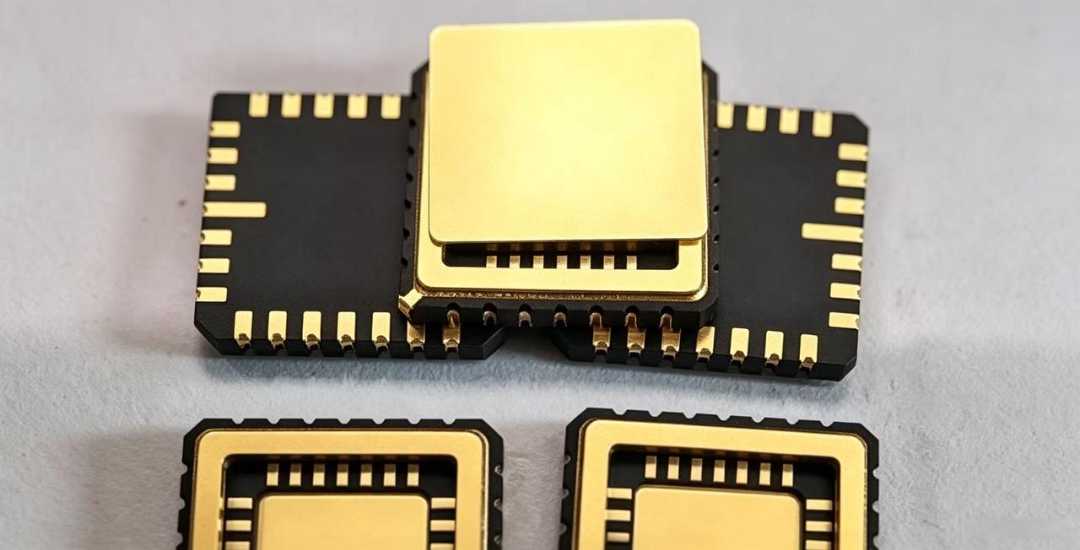
Semiconductor and Electronic Packaging
Kovar is used for components such as electronic package bases, sensor housings, pin headers, feedthrough components, and sealing frames. Its controlled thermal expansion helps reduce stress between the metal and compatible glass or ceramic materials during sealing and temperature cycling.
Manufacturing Focus: Flatness of sealing surfaces, hole and pin location, surface condition, and dimensional stability can all affect subsequent sealing and assembly. Because Kovar tends to work-harden during machining, cutting strategy and tool condition also need careful control when producing precision features.
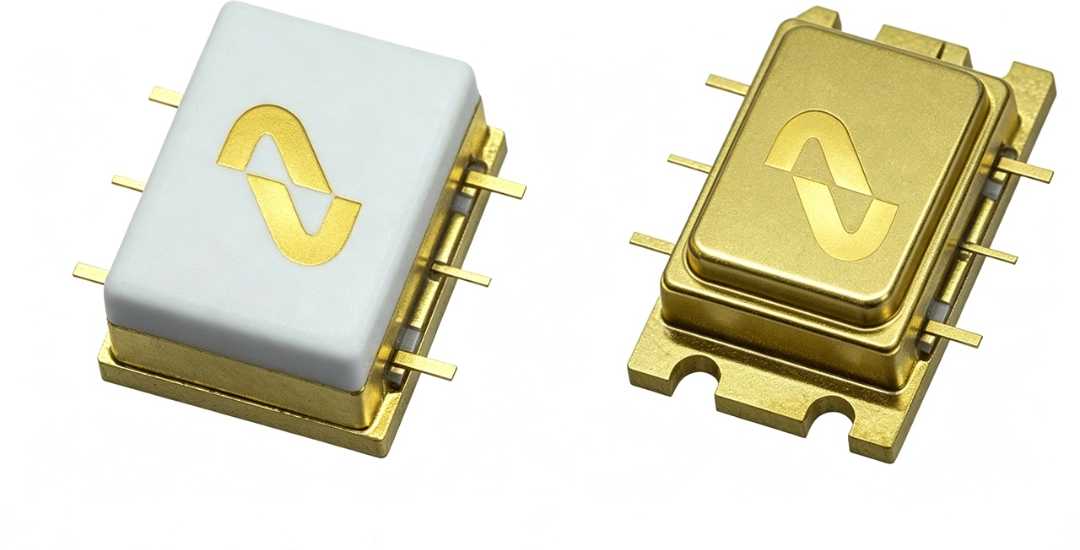
Aerospace and Vacuum Components
Kovar is also used in sensor housings, electronic packages, vacuum instrument components, feedthroughs, and other sealed assemblies where dimensional stability across temperature changes is important.
Manufacturing Focus: Material condition, dimensional stability, sealing-surface quality, and finishing requirements should be defined according to the final assembly. Where hermetic performance is required, leak testing may be specified for the completed sealed assembly according to the applicable product requirements.
4. Kovar vs. Other Low-Expansion Alloys
Kovar is one of several iron-nickel-based alloys used where controlled thermal expansion is important. The appropriate material depends primarily on the expansion behavior required by the mating glass, ceramic, or other assembly materials.
| Material | General Expansion Behavior | Typische Anwendungen | Key Consideration |
| Kovar (ASTM F15 / 4J29) | Controlled expansion designed for compatible sealing materials | Glass-to-metal seals, electronic packages, feedthroughs, vacuum components | Common choice where matched expansion and hermetic sealing are important |
| Alloy 42 | Low-expansion Fe-Ni alloy | Electronic packaging, lead frames, glass-to-metal sealing | Expansion characteristics differ from Kovar and must be matched to the sealing material |
| Alloy 48 | Controlled-expansion Fe-Ni alloy with higher nickel content | Glass sealing and electronic components | Selected according to the expansion characteristics required by the glass or assembly |
| 304 Stainless Steel | Significantly higher thermal expansion than controlled-expansion alloys | General structural and corrosion-resistant components | Not a direct substitute when close thermal-expansion matching is required |
| Aluminiumlegierungen | Relatively high thermal expansion | Lightweight housings and structural components | Large expansion difference can be unsuitable for matched sealing applications |
Source: ASTM F15 and typical controlled-expansion alloy supplier technical data. Exact thermal expansion values depend on alloy composition, heat treatment, and temperature range.
Kovar is most useful when its thermal expansion behavior matches the materials used in the sealing assembly. Alloy 42 and Alloy 48 provide different expansion characteristics and may be more appropriate for other glass or electronic packaging systems. Material selection should therefore be based on the required expansion match rather than on cost or machinability alone.
5. Common Machining Challenges with Kovar
Kovar can be more difficult to machine than many common engineering alloys because of its work-hardening tendency, relatively low thermal conductivity, and sensitivity to residual stress. These characteristics affect tool life, dimensional stability, and surface quality.
Kaltverfestigung
Kovar can work-harden during machining, particularly when the cutting tool rubs against the surface or repeatedly passes through previously hardened material. As the surface hardens, cutting forces and tool wear can increase, making subsequent machining more difficult.
Maintaining consistent cutting engagement and avoiding unnecessary rubbing are therefore important when machining precision Kovar features.
Limited Thermal Conductivity
Kovar has relatively low thermal conductivity, so heat generated during cutting tends to remain concentrated near the cutting zone rather than dissipating quickly through the workpiece.
Higher local temperatures can accelerate tool wear and make cutting conditions less stable. Appropriate tooling, cutting parameters, and coolant application are therefore important for controlling heat during machining.
Residual Stress and Distortion
Kovar stock can contain residual stresses from previous material processing. Removing large amounts of material may redistribute these stresses and cause dimensional changes or distortion.
This is particularly important for thin walls, rings, frames, and parts requiring tight flatness tolerances, where machining sequence and workholding can strongly affect final geometry.
Surface Quality on Sealing Areas
Surface condition is especially important when a machined Kovar feature will later be used for brazing, glass sealing, plating, or another joining process. Tool marks, burrs, scratches, or surface contamination on functional sealing areas can interfere with subsequent processing.
For these features, Oberflächenbeschaffenheit requirements should be defined according to the final sealing or assembly process rather than treated as a purely cosmetic specification.
Work hardening, heat concentration, residual stress, and sealing-surface quality are the main machining considerations when producing precision Kovar components.
6. DFM Guidelines for Kovar Parts
Kovar’s work-hardening tendency, dimensional stability, and frequent use with post-machining plating make several design details worth reviewing before machining begins. Geometry, material condition, and finishing requirements should be considered together rather than treated as separate manufacturing steps.
Geometry and Thin-Wall Features
Sharp internal corners can restrict tool access and increase machining difficulty. Where the design allows, appropriate corner radii or chamfers can improve tool access and reduce unnecessary machining complexity.
Thin walls, rings, and frames require additional attention because material removal and clamping can affect final geometry. Depending on the part, designers may consider more balanced wall geometry, temporary support features, or realistic flatness and dimensional tolerances to reduce distortion risk.
For critical sealing and mating surfaces, tolerances should be assigned according to functional requirements rather than tightened across the entire part.
Material Condition and Stress Relief
For Kovar parts with significant material removal or demanding flatness and dimensional-stability requirements, the condition of the starting material should be considered before machining.
Depending on the supplied material condition and part geometry, stress-relief or other controlled thermal processing may be considered as part of the manufacturing sequence. Any thermal treatment should also be compatible with the required final material properties and expansion behavior.
Allowance for Plating
If nickel, gold, or another plating system is applied after machining, coating thickness should be considered on precision mating features and other dimensionally sensitive surfaces.
Threads, sealing areas, electrical contact surfaces, or other features may require masking depending on the functional requirements. The drawing should clearly identify the final dimensional requirement, plating specification, and any surfaces that must remain uncoated.
Early coordination between machining, finishing, and assembly requirements can prevent dimensional conflicts later in production.
7. CNC Machining Tips for Kovar
Kovar machining requires careful control of cutting engagement, heat, tooling, and workholding because the material can work-harden and retain heat near the cutting zone. Exact parameters depend on part geometry, material condition, machine rigidity, and tolerance requirements.
CNC-Fräsen
Sharp carbide tooling is commonly used for milling Kovar. Cutting conditions should maintain effective chip formation while avoiding unnecessary rubbing or dwell, which can contribute to work hardening and accelerated tool wear.
Coolant can help control cutting-zone temperature and remove chips. For large sealing faces or thin features, machining sequence and workholding should also be planned to reduce distortion and maintain flatness.
CNC-Drehen
Carbide tooling is commonly used for turning Kovar, with tool geometry and cutting parameters selected to maintain stable cutting and limit heat buildup.
Thin-wall tubes, rings, and similar components require particular attention to workholding. Clamping should provide enough rigidity for machining without introducing excessive deformation, especially when tight roundness or concentricity requirements must be maintained.
Drahterodieren
Wire EDM can be useful for narrow slots, small features, and geometries that are difficult to produce efficiently with conventional cutting tools.
Because EDM is a thermal process, surface integrity and dimensional requirements should be considered when selecting the cutting and finishing parameters. Depending on the application, additional finishing passes or subsequent surface treatment may be required.
For Kovar, the machining strategy should focus on controlling work hardening, cutting heat, tool condition, and part distortion rather than relying on a single fixed set of cutting parameters.
Abschluss
Kovar is an iron-nickel-cobalt controlled-expansion alloy widely used in glass-to-metal and ceramic-to-metal sealing applications. Its thermal expansion behavior makes it particularly useful for electronic packages, feedthroughs, vacuum components, and other assemblies where dimensional compatibility during temperature changes is important.
When designing or machining Kovar parts, work hardening, heat buildup, dimensional stability, surface condition, and post-machining finishing should all be considered. Matching the material condition and manufacturing process to the final sealing and assembly requirements is key to achieving reliable Kovar components.
 German
 English
 Hebrew
 Turkish
 French
 Russian
 Spanish
 Portuguese